

white cumin seeds

Sourcing Guide: What Importers Need to Know About So-Called “White Cumin Seeds”

In the world of international spice sourcing, precision is everything. The difference between profit and loss can often come down to the exact specification of an ingredient. Yet, some terms used in the trade are ambiguous and can lead to confusion and costly mistakes. One of the most common points of confusion for cumin importers is the request for White Cumin Seeds.”

While buyers may have a specific quality in mind when using this term, it’s a name that can be misleading. As an experienced exporter based in Pune, at the heart of the Indian spice market, we believe in clarity. This guide will demystify the term “white cumin,” explain what it really means in the commercial trade, and provide a clear roadmap for sourcing the high-quality Indian cumin seed you’re actually looking for.

Demystifying the Term: What Are "White Cumin Seeds"?

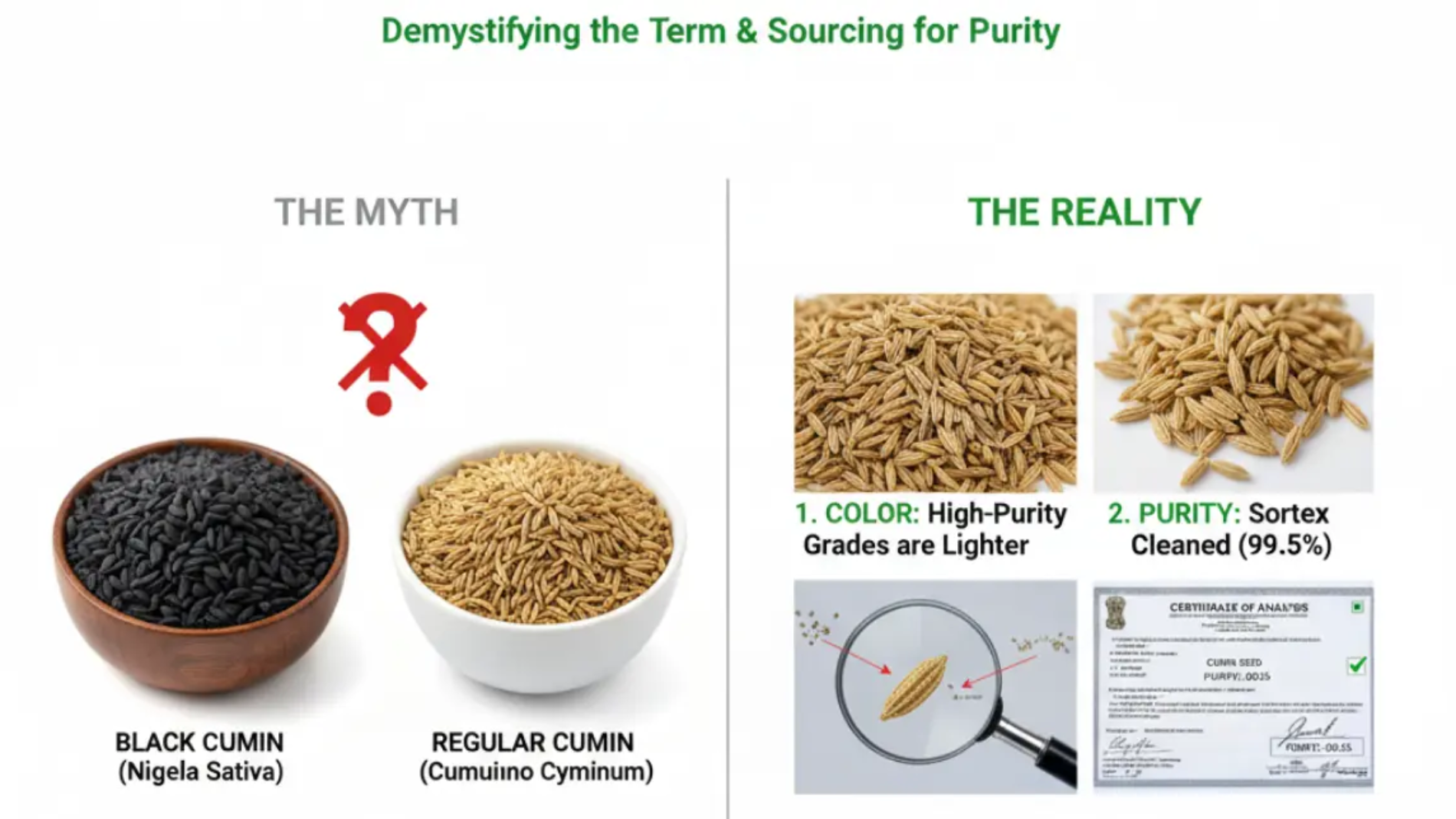
Let’s start with the most important fact: “White Cumin Seed” is not a distinct botanical variety. Unlike the clear difference between regular cumin and Black Cumin (Nigella Sativa), there is no commercially grown plant that produces truly white cumin seeds.

The term “white cumin” has emerged in the trade to describe two things:

  • A Differentiator from Black Cumin: It’s often used simply to refer to standard cumin (Curcumin sativa), or jeera, to distinguish it from the completely unrelated “Black Cumin” (Kalonji).

  • A Descriptor for High Quality: More importantly, it is used to describe a premium grade of regular cumin seed that, due to superior processing, has a lighter, more uniform brownish-yellow, or “whiter,” appearance.

In essence, a lighter colour is a result of high-quality processing, not a different type of plant.

Spice Up Your Business with Authentic Indian Flavors

Import and Export Excellence from India!
From "White" to "Right": Focusing on Purity Grades

Instead of using the ambiguous term “white,” experienced importers specify the quality they need using the industry-standard language of purity grades. This eliminates confusion and ensures you get a consistent product. The two main international grades for Indian cumin seed are:

  • Singapore Grade (99% Purity): This is the standard for many global markets, allowing for a maximum of 1% foreign matter.

  • Europe Grade (99.5% Purity): This is a premium grade with even stricter purity requirements, allowing for a maximum of only 0.5% foreign matter. This higher purity often results in a cleaner and visually lighter product.

The Role of Cleaning: Machine Cleaned vs. Sortex Cleaned

The appearance and purity of cumin are directly related to the cleaning method. This is often what separates a standard grade from a “whiter,” premium grade.

  • Machine Cleaned: This is a standard process that effectively removes most large impurities like dust, stalks, and stones.

  • Sortex Cleaned: This is an advanced, optical sorting process. High-resolution cameras scan every single seed, and puffs of air instantly remove any discoloured seeds, damaged seeds, or remaining foreign matter. It is the Sortex cleaning process that produces the most visually uniform, lightest-coloured, and highest-purity cumin grades.

An importer looking for “white cumin” is, in reality, looking for Sortex Cleaned, Europe Grade cumin.

The Importer's Sourcing Checklist

To avoid ambiguity and ensure you receive the exact quality you need, use this checklist when communicating with your cumin supplier:

  • Specify the Botanical Name: State that you require cuminum cyminum (Jeera).

  • Define the Purity Grade: Clearly request “99% Purity (Singapore Grade)” or “99.5% Purity (Europe Grade).”

  • State the Cleaning Method: For the highest quality and lightest appearance, specify “Sortex Cleaned.”

  • Request a Pre-Shipment Sample: A physical sample is the best way to visually verify that the colour, cleanliness, and aroma meet your standards.

  • Demand a Certificate of Analysis (COA): This is your final guarantee. The COA is a lab report for your specific batch that will provide documented proof of all key specifications, including purity and moisture content.

Spice Up Your Business with Authentic Indian Flavors

Import and Export Excellence from India!

Sourcing with Clarity and Confidence

The quest for White Cumin Seeds is ultimately a quest for the highest quality and purity of regular Indian cumin seed. By replacing ambiguous colour descriptions with precise, technical language, importers can eliminate confusion, mitigate risk, and build a reliable and predictable supply chain.

Partnering with a knowledgeable supplier who understands these critical distinctions is the key to successful spice sourcing. When you source with clarity, you source with confidence.

Frequently Asked Questions (FAQs)

1. So, if I order “white cumin” from a supplier, what will I likely receive?

You will most likely receive a high-quality, Sortex-cleaned grade of regular brown/yellow cumin ( Cuminum cyminum). A good supplier will clarify your exact purity requirements rather than just shipping a product.

2. Is higher-grade “whiter” cumin more expensive?

Yes, Sortex Cleaned, Europe Grade (99.5% purity) cumin commands a premium price over standard, machine-cleaned grades due to the advanced processing and lower yield of only the best seeds.

3. What is the scientific name for true cumin?

The scientific name for the common cumin seed, or jeera, is Cuminum cyminum.

4. Why is cumin so often confused with black cumin?

The similar names are the primary cause of confusion. However, they are botanically unrelated, look different, and have completely different flavour profiles. Regular cumin is earthy and warm; black cumin (Kalonji) is pungent and peppery.

5. Does the colour of cumin affect its flavour?

While a lighter colour is primarily an indicator of purity and cleanliness, a batch with many dark, damaged seeds may have a slightly inferior or less fresh flavour. The main driver of flavour, however, is the volatile oil content.

6. What is the Unjha market, and why is it important?

The Unjha market in Gujarat, India, is the world’s largest trading hub for cumin. It is where global prices are largely determined and where the standards for different purity grades are set.

7. What is a good moisture content for cumin seeds for export?

For a long and stable shelf life, the moisture content for export-grade cumin should be low, typically between 7% and 9%. This should be verified on the COA.

8. Can I get a sample before placing a large import order?

Yes, any reputable cumin supplier will provide a pre-shipment sample for you to evaluate the quality, colour, and aroma before you commit to a bulk purchase.

About us

We bridge the gap between local producers and global markets, ensuring seamless trade facilitation with exceptional quality and reliability. We provide quick delivery services with customized packaging with all approval of International Certificates (Spices board India, MSME, IEC, fssai, FIEO, APEDA, EU certification, FDA and Many More)

Contact us

Shop No. 3, Ganesh Prestige Sr. No. 2/15, Near Laxmi Jewellers, Dhanakawadi, Pune – 411043, Maharashtra INDIA.

Call On

+91 9545205050

+91 9822422584
Email

sales@aquaconnectexim.com

aquaconnectexim@gmail.com

Teja Chili Powder exporter

Why the Hot Sauce Industry Relies on High-SHU Teja Chili Powder

The global hot sauce market is on fire. Consumers are more adventurous than ever, seeking out sauces that deliver not just generic spiciness, but authentic, intense, and clean heat. For the brands behind these bottles, from artisanal creators to multinational giants, the choice of chili is the single most important decision in their formulation. While the world offers many hot peppers, the industrial backbone for many of the world’s most popular hot sauces is a specific, potent variety from India: Teja Chili.

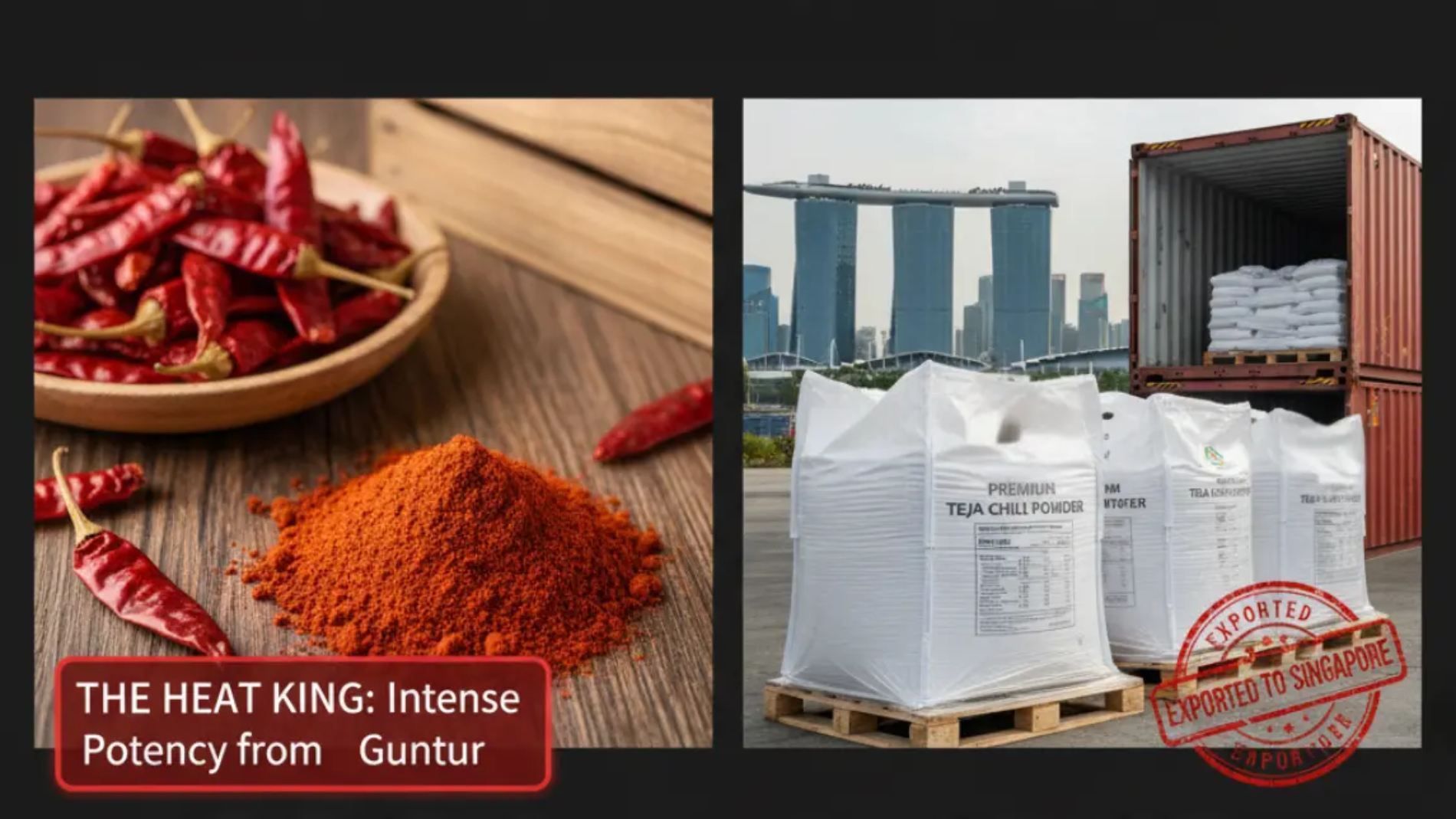
This fiery red pod, also known as the S17 chili, is prized for its intense pungency. In the competitive world of hot sauce manufacturing, consistency and potency are paramount. This is why brands specifically seek out a reliable Teja Chili Powder exporter to provide the fiery foundation for their products. From our perspective in Pune, at the center of the Indian spice trade, the reasons for this reliance are clear and compelling.

1. The Power of Pungency: Consistent and Intense Heat

The primary job of a hot sauce is to deliver heat, and Teja chili does this with exceptional efficiency. It boasts an impressive rating on the Scoville Heat Units (SHU) scale, typically ranging from 70,000 to 100,000 SHU.

What makes it so special for sauce makers is the quality of its heat. Teja provides a sharp, clean, and quick-hitting pungency without heavy smoky or fruity undertones. This makes it a perfect base, allowing formulators to build complex flavour profiles with other ingredients like garlic, fruit, or vinegar, without the chili’s own flavour overpowering the final product. A consistent SHU level from a trusted supplier ensures that every bottle has the exact same fiery kick.

2. High Capsaicin Content for Efficient Extraction

The heat in all chili peppers comes from a compound called capsaicin. Teja chili is prized by the industrial food sector for its high capsaicin content.

This is particularly crucial for large-scale manufacturers who often use chili extracts—known as oleoresin capsicum—to achieve precise and scalable heat levels in their sauces. Because Teja has a high concentration of capsaicin, it offers a better yield during the extraction process. This means more heat can be extracted per kilo of chili, making it a highly efficient raw material for creating the potent extracts that power the industry.

Spice Up Your Business with Authentic Indian Flavors

Import and Export Excellence from India!

3. A Vibrant, Stable Red Colour

A hot sauce needs to look the part. Teja Chili Powder imparts a beautiful, deep, and stable red hue to liquids. This natural colouring is robust and holds up well during the cooking, blending, and bottling processes, resisting the browning or fading that can occur with less stable ingredients. This ensures that the product not only tastes hot but also has the vibrant visual appeal that consumers associate with a high-quality, fiery sauce.

4. Sourcing from the Epicenter of Heat: Guntur, India

Authenticity and a reliable supply chain are critical for any manufacturer. The Teja chili is a premier variety of Guntur chili, cultivated in and around the Guntur district of Andhra Pradesh—the undisputed “Chili Capital of India.”

Sourcing chili from Guntur means tapping into a massive, established ecosystem of experienced farmers, processors, and exporters. This provides manufacturers with two key advantages:

  • Authenticity: You are getting the genuine article from its native terroir.

  • Scalability: The sheer volume of production ensures a reliable, year-round supply of bulk chili powder to meet the demands of even the largest brands. A professional Teja Chili Powder exporter will have deep connections within this region.

5. The Economic Advantage: Potency Per Kilo

In manufacturing, efficiency is tied to profitability. Because Teja chili powder is so potent, formulators need to use less of it to achieve a desired heat level compared to milder chili varieties. This “potency per kilo” makes it a surprisingly cost-effective ingredient for creating genuinely spicy products. Using less powder also means less solid material in the sauce, which can improve the final texture and mouthfeel while reducing overall ingredient costs.

In conclusion, the hot sauce industry’s reliance on Teja Chili Powder is a strategic decision. Its ability to deliver clean, intense, and reliable heat makes it the perfect foundation of fire for brands that want to stand out in a sizzling market.

Spice Up Your Business with Authentic Indian Flavors

Import and Export Excellence from India!

Frequently Asked Questions (FAQs)

1. What is the difference between Teja (S17) and other Guntur chilies like Sannam?

The main difference is heat. Teja (S17) is significantly hotter, with a SHU of 70,000-100,000, making it ideal for high-heat applications. Guntur Sannam is a medium-hot chili (35,000-45,000 SHU) and is used more as a versatile, all-purpose chili powder.

2. How does the heat of Teja compare to a Habanero pepper?

The heat levels are comparable. Habanero peppers typically range from 100,000 to 350,000 SHU, so a hot Teja chili is in the same ballpark as a milder Habanero, making it a very respectable source of heat.

3. Can I get a Certificate of Analysis (COA) that verifies the SHU level?

Yes, any reputable Teja Chili Powder exporter should provide a COA from a third-party lab that verifies the Scoville Heat Units (SHU), as well as data on purity, moisture, and microbiological safety.

4. Is Teja chili suitable for a fermented hot sauce?

Absolutely. Its clean heat profile allows the complex, tangy flavours developed during fermentation to shine through, while still providing a powerful, pungent kick.

5. What is oleoresin capsicum?

Oleoresin capsicum is the concentrated extract of chili peppers. It is a viscous, oil-like substance that contains all the pungency (capsaicinoids) and is used by large manufacturers for precise, liquid-form heat control in their products. Teja is a prime raw material for producing it.

6. Does Teja chili powder have a strong flavour, or is it just heat?

While its primary characteristic is intense heat, it has a clean, sharp, and slightly pungent flavour. It is not overly smoky or fruity, which is why it’s so versatile as a heat base in complex sauces.

7. Is all Teja chili from Guntur?

While the Guntur region of Andhra Pradesh is the heartland and most famous origin for authentic, high-quality Teja chilies, it is also grown in neighbouring states. However, chili from Guntur is considered the benchmark for quality.

8. What should I look for in a supplier besides the chili itself?

Look for a spice supplier with experience in export documentation, knowledge of your country’s import regulations, robust and clean packaging, and a commitment to transparency through verifiable certifications and lab reports.

About us

We bridge the gap between local producers and global markets, ensuring seamless trade facilitation with exceptional quality and reliability. We provide quick delivery services with customized packaging with all approval of International Certificates (Spices board India, MSME, IEC, fssai, FIEO, APEDA, EU certification, FDA and Many More)

Contact us

Shop No. 3, Ganesh Prestige Sr. No. 2/15, Near Laxmi Jewellers, Dhanakawadi, Pune – 411043, Maharashtra INDIA.

Call On

+91 9545205050

+91 9822422584
Email

sales@aquaconnectexim.com

aquaconnectexim@gmail.com

Dehydrated White Onion Minced

The Top 5 Industrial Uses for Dehydrated White Onion Minced in Food Production

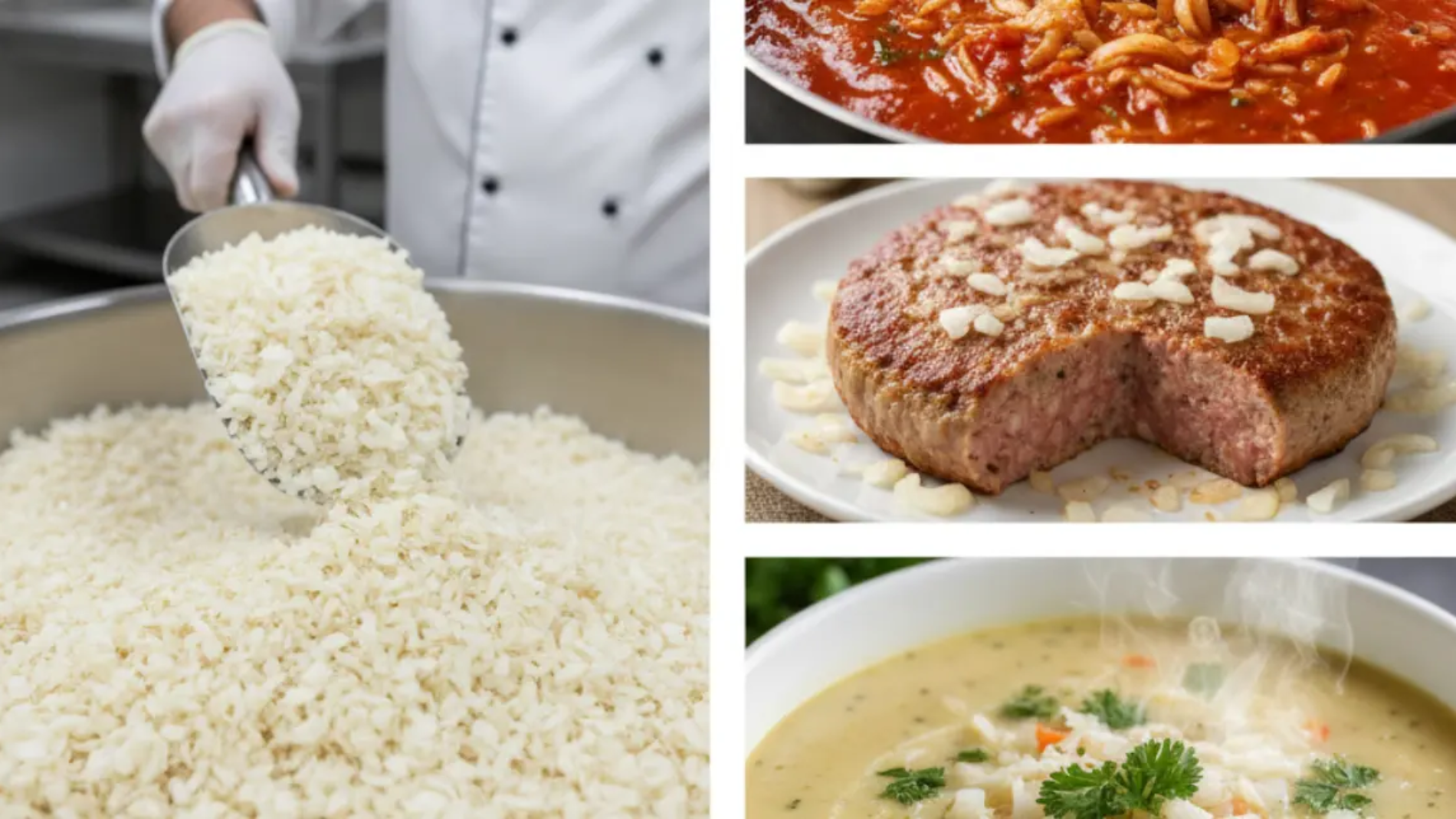
In the world of large-scale food production, the most valuable ingredients are those that deliver consistency, stability, and flavour in a convenient format. While fresh onions are a kitchen staple, their high water content, short shelf life, and intensive prep time make them a challenge for industrial applications. This is why food manufacturers worldwide rely on a versatile workhorse: Dehydrated White Onion Minced.

This specific format—not as coarse as kibbled, yet not as fine as powder—is a precisely engineered industrial food ingredient designed for applications where both flavour and a subtle texture are desired. As a leading onion supplier in India, we see firsthand how this product forms the backbone of countless successful food items. Here are the top five industrial uses where minced white onion is the preferred choice.

1. Dry Soup, Sauce, and Gravy Mixes

One of the most common applications for Dehydrated White Onion Minced is in the dry-mix industry. When a consumer rehydrates a packet of onion soup mix, a chicken gravy mix, or a seasoning for a stew, they expect to see and taste real vegetable pieces.

  • Why it’s used: The minced onion pieces are perfectly sized to distribute evenly throughout the dry blend. Upon rehydration, they swell to a soft, pleasing texture that mimics finely chopped fresh onion.

  • The Benefit: It provides a crucial “homemade” visual and textural cue that consumers associate with quality. It delivers a burst of authentic onion flavour without the clumping or cloudiness that a lower-grade powder might cause. For a perfectly smooth broth, manufacturers will use onion powder, but for a heartier feel, minced is the go-to.

2. Processed Meats and Meat Alternatives

In the production of sausages, burger patties, meatloaf, and plant-based meat alternatives, flavour and moisture retention are key.

  • Why it’s used: Dehydrated White Onion Minced is blended directly into the raw meat or plant-protein mixture. The particles distribute far more evenly than fresh chopped onion could on an industrial scale.

  • The Benefit: During the cooking process, the minced pieces rehydrate by absorbing juices, helping to keep the final product moist and succulent. They release their pungent, savoury flavour throughout the product, creating a deep and consistent taste profile.

Spice Up Your Business with Authentic Indian Flavors

Import and Export Excellence from India!

3. Canned Goods and Ready-to-Eat (RTE) Meals

The high-heat, high-pressure environment of canning and retort processing requires ingredients that are robust. Dehydrated White Onion Minced is perfectly suited for this demanding application.

  • Why it’s used: It’s added to canned stews, chilis, baked beans, and ready-made pasta sauces.

  • The Benefit: The minced pieces are sturdy enough to withstand the cooking process without disintegrating into mush. They slowly and fully rehydrate within the product, becoming tender and infusing the entire meal with a slow-cooked onion flavour, adding to the overall quality of these convenient meal solutions.

4. Salad Dressings, Dips, and Condiments

For many creamy dressings, dips, and condiments, a hint of texture can elevate the entire product.

  • Why it’s used: Small, rehydrated pieces of minced onion provide visually appealing specks and a subtle textural contrast in products like ranch dressing, creamy vegetable dips, and savoury spreads.

  • The Benefit: Unlike fresh onion, the dehydrated format does not release excess water, which would otherwise compromise the stability and shelf life of the emulsion. For a layered effect, many formulators use onion powder to create the base flavour and minced white onion for texture and visual appeal.

5. Savoury Bakery Applications and Stuffing Mixes

In savoury baking and dry goods, controlling moisture is critical. This is where dehydrated onion products are indispensable.

  • Why it’s used: It’s a key ingredient in savoury breads like onion bagels, focaccia, croutons, and, most notably, in dry bread stuffing mixes.

  • The Benefit: It provides potent pockets of onion flavour and a pleasing texture without introducing the high water content of fresh onions, which would disrupt the delicate crumb structure of baked goods. In stuffing mixes, it rehydrates perfectly during preparation to deliver the taste and texture of home-chopped onion.

In conclusion, Dehydrated White Onion Minced is a strategic and versatile ingredient that solves numerous challenges in modern food production, proving why it remains a non-negotiable staple for manufacturers worldwide.

Spice Up Your Business with Authentic Indian Flavors

Import and Export Excellence from India!

Frequently Asked Questions (FAQs)

1. What is the standard particle size for “minced” onion?

While it can vary, the industry standard for minced onion is typically between 1mm to 3mm. This makes it finer than kibbled onion but much coarser than granulated or powdered onion.

2. How does the flavour intensity of minced onion compare to onion powder?

By weight, onion powder often has a more immediate and potent flavour impact due to its much larger surface area. Minced onion provides a more concentrated “burst” of flavour when you bite into a rehydrated piece.

3. Will dehydrated white onion minced discolour in a light-coloured sauce?

No, high-quality Dehydrated White Onion Minced is prized for its ability to remain a stable off-white colour upon rehydration, making it perfect for cream sauces, dressings, and other light-coloured products.

4. What is the best way to incorporate it into a dry blend?

It should be added along with other dry ingredients in an industrial blender (like a ribbon blender). Its free-flowing nature ensures it distributes evenly for a homogenous final mix.

5. How much fresh onion is one kilogram of minced onion equivalent to?

Due to the removal of water, dehydrated onion is highly concentrated. Typically, 1kg of dehydrated minced onion is equivalent to the flavour and texture of approximately 8-10kg of fresh, raw onion.

6. Does it need to be rehydrated before being added to a recipe?

For “wet” applications like soups, sauces, or processed meats, it can be added directly as it will rehydrate during the cooking process. For some specific bakery applications, it may be briefly soaked first.

7. Why is white onion preferred over red or yellow for minced products?

White onion is preferred for its classic, strong pungent flavour and its clean, white colour, which is versatile and does not bleed or discolour the final product.

8. How do I ensure I’m sourcing a high-quality product?

Partner with a reputable onion supplier in India who can provide a Certificate of Analysis (COA) with every shipment, verifying key specs like moisture content, particle size, and microbiological safety.

About us

We bridge the gap between local producers and global markets, ensuring seamless trade facilitation with exceptional quality and reliability. We provide quick delivery services with customized packaging with all approval of International Certificates (Spices board India, MSME, IEC, fssai, FIEO, APEDA, EU certification, FDA and Many More)

Contact us

Shop No. 3, Ganesh Prestige Sr. No. 2/15, Near Laxmi Jewellers, Dhanakawadi, Pune – 411043, Maharashtra INDIA.

Call On

+91 9545205050

+91 9822422584
Email

sales@aquaconnectexim.com

aquaconnectexim@gmail.com

salem turmeric export

Why Importers Worldwide are Focusing on Salem Turmeric Export

In the dynamic landscape of the global spice trade, savvy spice importers are constantly seeking more than just commodities. They are looking for products that tell a story of quality, authenticity, and reliability. In the vast market of Indian turmeric, a distinct trend has emerged: a growing and significant international focus on sourcing one particular variety—GI-tagged Salem turmeric.

This is not a fleeting trend but a strategic shift. Businesses are recognizing that this specific variety offers a unique combination of verifiable quality and commercial advantages. As an experienced exporter based in Pune, we’ve witnessed this rise in demand firsthand. This article will explore the key reasons why importers worldwide are increasingly specifying Salem Turmeric export shipments, making it one of the most sought-after spices on the global stage.

1. The Ultimate Assurance: The Geographical Indication (GI) Tag

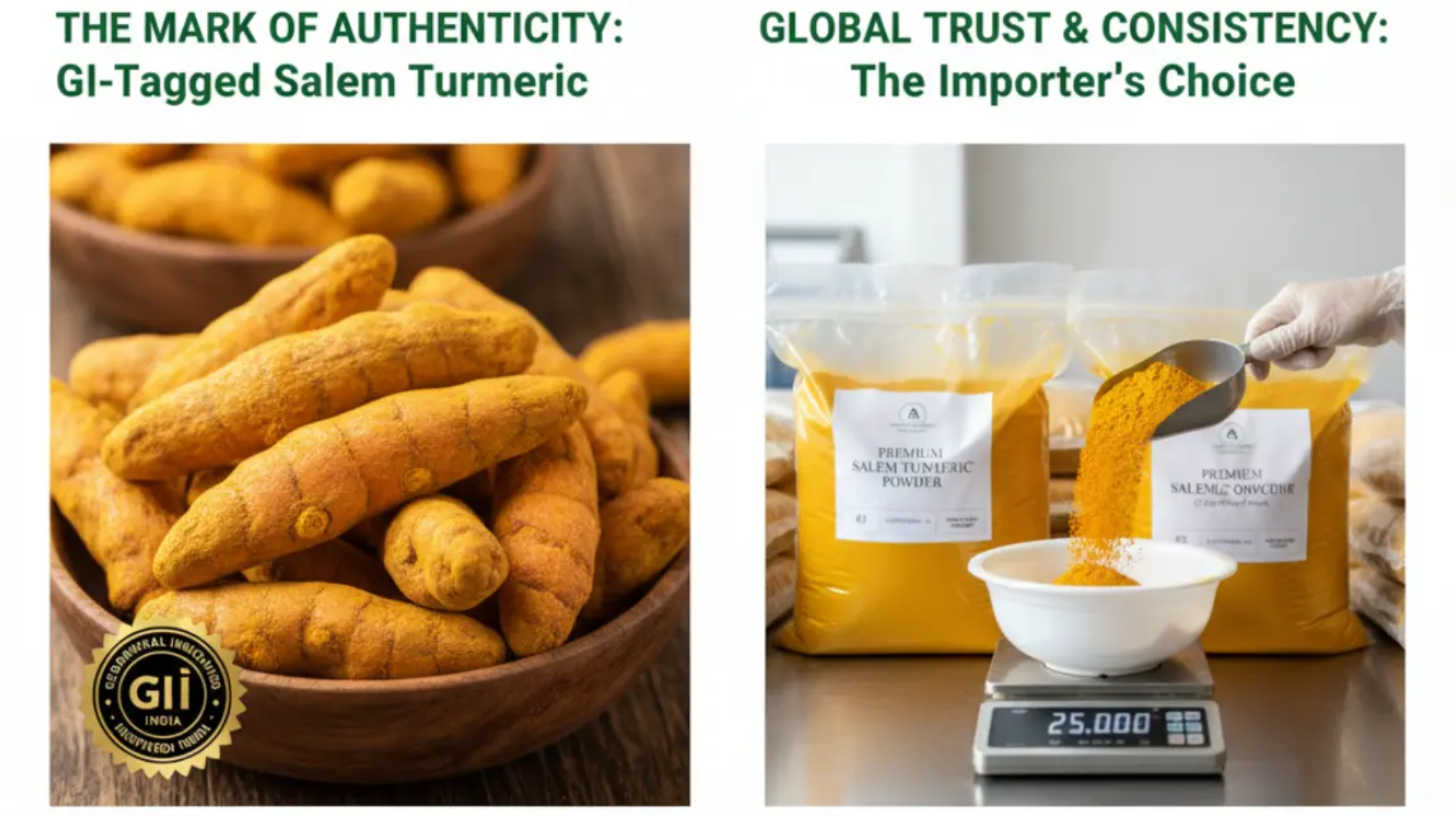
The single most powerful factor driving the demand for Salem turmeric is its Geographical Indication (GI) tag. Similar to protected origins like Champagne in France or Parmesan in Italy, this GI tag is a legal guarantee, recognized internationally, that the turmeric originates from the Salem region of Tamil Nadu and possesses the specific qualities attributed to that region.

For an importer, this is the ultimate assurance, providing:

  • Guaranteed Authenticity: It offers irrefutable proof of origin, eliminating the risk of sourcing turmeric from other regions being sold under a premium name.

  • Risk Mitigation: The GI system protects against adulteration and ensures that the product has met strict quality control standards.

  • A Powerful Marketing Tool: Importers and their retail clients can use the prestigious GI tag to market the product with a compelling story of verified quality and tradition.

2. A Consistent and Balanced Profile for Maximum Versatility

While some turmeric varieties are known for a single dominant trait (like extremely high curcumin or intense colour), Salem turmeric is prized for its perfect balance.

Its curcumin content is consistent and moderate, typically ranging from 3-5%. This “golden mean” makes it incredibly versatile for food manufacturers. It’s potent enough to provide significant health benefits and a vibrant colour, but not so overpowering that it disrupts the delicate flavour architecture of complex spice blends. Its classic warm, earthy flavour and deep yellow-orange hue are highly reliable, ensuring product consistency for brands.

Spice Up Your Business with Authentic Indian Flavors

Import and Export Excellence from India!

3. Superior Physical Characteristics of the "Finger"

Salem turmeric is famous for the quality of its whole, dried rhizome, known in the trade as the turmeric finger. The fingers from the Salem region are typically larger, plumper, and more robust than many other varieties.

This matters to importers for several practical reasons:

  • Less Breakage: The hardiness and size of the fingers mean less product loss from breakage during shipping and handling.

  • Visual Appeal: For the whole spice market, a large, uniform, and visually appealing finger is a strong indicator of high quality.

  • High Powder Yield: The substantial size means it yields a high quantity of powder when ground at its destination.

4. A Stable, Mature, and Scalable Supply Chain

Salem is one of India’s primary, long-established hubs for turmeric cultivation and trade. For an importer, this translates into a mature and highly reliable supply chain. This stability is a significant business advantage, providing:

  • Scalability: The ability to source large, consistent volumes to meet the demands of growing markets.

  • Experienced Partners: Access to a deep network of experienced farmers, processors, and a professional Indian turmeric supplier who understands the nuances of export quality and documentation.

  • Market Stability: A large, established market is generally less prone to the extreme price volatility that can affect smaller, more niche producing regions.

5. Meeting the Global Demand for Traceable Spices

The modern consumer wants to know where their food comes from. This demand for transparency and traceability has moved up the supply chain and is now a key consideration for importers and retailers. The GI tag is the perfect answer to this trend.

By focusing on a GI-tagged product like Salem Turmeric export shipments, importers are aligning their business with the future of the food industry. They can offer their clients a product with a built-in, verifiable story of origin, quality, and authenticity.

Spice Up Your Business with Authentic Indian Flavors

Import and Export Excellence from India!

In conclusion, the global focus on Salem turmeric is a calculated business decision. It represents a move towards products that offer verifiable quality, a compelling marketing story, and a reliable supply chain. For importers looking to build a reputation based on trust and premium quality, sourcing spices from India, and specifically GI-tagged Salem turmeric, is a powerful strategy for success.

Frequently Asked Questions (FAQs)

1. How does the Salem turmeric GI tag differ from the one for Erode turmeric?

Both are GI-tagged varieties from Tamil Nadu. Salem is often prized for its larger finger size and balanced profile, making it a versatile export favourite. Erode, from “Turmeric City,” is also an excellent all-rounder with a strong market presence. The choice often comes down to specific buyer preferences for size and flavour nuances.

2. What is the best way to market a GI-tagged product to my customers?

Highlight the GI tag on your packaging and marketing materials. Use phrases like “Authentic Salem Turmeric,” “Guaranteed Origin,” and “GI Protected.” Tell the story of its origin in Tamil Nadu to build a connection with consumers who value authenticity.

3. Is Salem turmeric primarily exported as fingers or powder?

It is heavily traded in both forms. The whole turmeric finger is popular for its visual appeal in the whole spice market, while the powder is used for its convenience in manufacturing and retail.

4. What documents are needed to verify the GI tag?

A reputable supplier should be a GI Authorized User and be able to provide their authorization certificate. The product packaging for export will also often carry the official GI logo.

5. What is the typical curcumin content of Salem turmeric?

Salem turmeric generally has a consistent curcumin content ranging from 3% to 5%, making it a potent and reliable choice for most food applications.

6. Is Salem turmeric suitable for the nutraceutical industry?

While varieties like Alleppey are often sought for their exceptionally high curcumin (5%+), the verified purity and consistent potency of GI-tagged Salem turmeric make it a trusted and reliable ingredient for many nutraceutical applications as well.

7. When is the harvest season for Salem turmeric?

The main harvest season for turmeric in the Salem region is typically from January to March each year.

8. How can I ensure I’m partnering with a legitimate Indian turmeric supplier?

Look for a supplier who is a registered exporter with the Spices Board of India, has experience with GI-tagged products, and can readily provide a comprehensive Certificate of Analysis (COA), along with their quality and food safety certifications (like ISO, HACCP).

About us

We bridge the gap between local producers and global markets, ensuring seamless trade facilitation with exceptional quality and reliability. We provide quick delivery services with customized packaging with all approval of International Certificates (Spices board India, MSME, IEC, fssai, FIEO, APEDA, EU certification, FDA and Many More)

Contact us

Shop No. 3, Ganesh Prestige Sr. No. 2/15, Near Laxmi Jewellers, Dhanakawadi, Pune – 411043, Maharashtra INDIA.

Call On

+91 9545205050

+91 9822422584

Email

sales@aquaconnectexim.com

aquaconnectexim@gmail.com

ripe banana powder

Why Sports Nutrition Brands Use Ripe Banana Powder

The sports nutrition landscape is undergoing a major evolution. Today’s athletes, from elite professionals to dedicated gym-goers, are moving beyond synthetic ingredients and artificial flavours. They are demanding clean, effective, and transparent fuel sourced from real foods. This powerful trend has led product developers and innovative brands to rediscover one of nature’s original performance foods, now available in a versatile, concentrated format: Ripe Banana Powder.

For decades, athletes have eaten bananas for a quick energy boost. Now, sports nutrition brands are harnessing that same power in a stable, easy-to-formulate powder. As a leading banana powder supplier, we’ve seen this ingredient shift from a simple flavouring to a key functional component. Here are the strategic reasons why ripe banana powder has become a go-to for the modern sports nutrition industry.

1. A Superior Source of Natural Carbohydrates for Clean Energy

Carbohydrates are the body’s primary and most efficient fuel source for high-intensity exercise. For years, many pre-workout and intra-workout formulas have relied on simple sugars like maltodextrin or dextrose. While effective for a quick energy spike, they don’t align with the “clean eating” philosophy.

Ripe Banana Powder offers a superior natural carbohydrate profile. It contains a blend of glucose, fructose, and sucrose, which provides both rapid and more sustained energy release. This helps fuel performance without the “junky” feel of highly processed sugars, allowing brands to market a product based on clean energy from a whole-food source.

2. The Potassium Punch for Muscle Function

Muscle cramps and poor hydration can derail any workout. This is where the most famous benefit of bananas comes into play. Ripe Banana Powder is a concentrated potassium source, an essential electrolyte that plays a vital role in:

  • Maintaining Fluid Balance: Crucial for staying hydrated during intense activity.

  • Preventing Muscle Cramps: Potassium is key to proper nerve signalling and muscle contraction.

  • Supporting Cardiovascular Health: It helps regulate heartbeat and blood pressure.

By including ripe banana powder in a formula, brands can deliver a functional dose of potassium that directly supports an athlete’s performance and endurance.

Spice Up Your Business with Authentic Indian Flavors

Import and Export Excellence from India!

3. Optimizing Post-Workout Recovery

The 30-60 minute window after a workout is a critical time for nutrition. An athlete’s body needs to replenish its depleted energy stores (glycogen) and rehydrate. Ripe Banana Powder is a perfect ingredient for a post-workout recovery formula.

Its easily digestible natural sugars are ideal for quickly replenishing muscle glycogen, which is essential for muscle repair and reducing soreness. When combined with a protein source in a recovery shake, the carbohydrates in banana powder can also help improve protein absorption, kicking off the rebuilding process more efficiently.

4. Powerful Clean Label Appeal and Consumer Trust

Modern athletes read labels. An ingredient list filled with complex chemical names can be a major red flag. Ripe Banana Powder offers powerful clean label appeal that builds instant trust.

Seeing “Banana Powder” on a label is simple, recognizable, and reassuring. It allows supplement manufacturers to make compelling marketing claims that resonate deeply with their target audience:

  • “Made with Real Fruit”

  • “Naturally Sweetened”

  • “Clean Fuel for Your Workout”

This clean positioning is a massive differentiator in a crowded market.

5. Excellent Formulation Versatility

Beyond its nutritional benefits, ripe banana powder is also a highly functional ingredient for product developers.

  • Flavor Profile: It provides a mild, pleasant, and natural sweetness that pairs exceptionally well with the most popular protein flavours like chocolate, vanilla, and strawberry.

  • Improved Mouthfeel: It adds a natural creaminess and smooth texture to shakes and powders, improving the overall sensory experience.

  • High Solubility: Quality ripe banana powder dissolves easily in liquid, which is essential for creating lump-free, easy-to-mix instant formulas.

In conclusion, Ripe Banana Powder is far more than just a simple flavouring. It’s a multi-functional performance ingredient that delivers on every front: clean energy, essential nutrients, post-workout recovery, and powerful marketing appeal. For sports nutrition brands looking to create products that are both effective and aligned with the values of the modern athlete, it is a clear and strategic choice.

Frequently Asked questions (FAQs)

1. How does the glycemic index of ripe banana powder compare to dextrose?

Ripe Banana Powder has a moderate glycemic index, meaning it provides a more sustained energy release and less of a sharp “spike and crash” compared to high-GI simple sugars like dextrose or maltodextrin.

2. Will it blend smoothly with both whey and plant-based proteins?

Yes, its fine texture allows it to blend seamlessly with all types of protein powders, improving the overall creaminess and mouthfeel of both dairy and plant-based shakes.

3. What’s the best application: pre-workout, intra-workout, or post-workout?

It’s incredibly versatile. It’s excellent in pre-workout fuel for its carbohydrate energy, can be used during long endurance events (intra-workout), and is ideal for post-workout recovery to replenish glycogen.

4. Is ripe banana powder suitable for endurance athletes?

Absolutely. Endurance athletes like runners and cyclists often rely on bananas for their easily digestible carbs and cramp-fighting potassium. The powder form is a convenient, stable, and portable way to get those same benefits.

5. How much potassium is in a typical serving?

A typical 25-30g serving of ripe banana powder can provide a significant portion of the recommended daily intake of potassium, making it a potent potassium source for any supplement. Always check the specific nutritional information from your supplier.

6. Does the drying process destroy the nutrients?

High-quality ripe banana powder is typically made using gentle drying methods like spray-drying, which are designed to remove water while preserving the vast majority of the fruit’s natural vitamins and minerals.

7. Can it be certified organic?

Yes, sourcing certified organic ripe banana powder is a popular choice for premium sports nutrition brands to further enhance their clean, natural, and non-GMO positioning.

8. How do I choose a good banana powder supplier for my brand?

Look for a supplier who can provide a comprehensive Certificate of Analysis (COA) detailing the nutritional information (including potassium levels), moisture content, and microbiological safety. A reliable supplier will be transparent about their sourcing and processing methods.

About us

We bridge the gap between local producers and global markets, ensuring seamless trade facilitation with exceptional quality and reliability. We provide quick delivery services with customized packaging with all approval of International Certificates (Spices board India, MSME, IEC, fssai, FIEO, APEDA, EU certification, FDA and Many More)

Contact us

Shop No. 3, Ganesh Prestige Sr. No. 2/15, Near Laxmi Jewellers, Dhanakawadi, Pune – 411043, Maharashtra INDIA.

Call On

+91 9545205050

+91 9822422584

Email

sales@aquaconnectexim.com

aquaconnectexim@gmail.com

Flavored Jaggery Powder

Why Importers Should Add Flavored Jaggery Powder to Their Product Line in 2025

In the dynamic world of food importation, the most successful businesses are those that look beyond basic commodities and identify the next wave of consumer demand. For years, jaggery importers have successfully supplied the market with traditional jaggery in block and powder form. But as we look at the market of 2025 and beyond, a new, value-added category is emerging as a significant growth opportunity: Flavored Jaggery Powder.

This innovative product is more than just a simple sweetener; it’s a gourmet ingredient that taps directly into the most powerful consumer trends of our time. From our position in Pune, at the heart of India’s jaggery production, we see this trend taking hold. For an importer, adding this product to your portfolio is not just about expanding your catalog—it’s about capturing a new, higher-margin market. Here are the key strategic reasons why.

1. Tapping into the "Convenience is King" Consumer Trend

Modern consumers, while health-conscious, are also pressed for time. They seek products that deliver authentic flavour without complicated steps. Flavored Jaggery Powder is the epitome of this convenience.

Consider a customer wanting a traditional ginger-sweetened tea. Instead of buying jaggery and fresh ginger, grating the ginger, and combining the two, they can simply add a single spoonful of ginger jaggery powder. The same applies to a cup of coffee needing a hint of cardamom. This two-in-one functionality is a powerful selling point that resonates deeply with busy lifestyles, making it an easy-to-market product for your retail clients.

2. Meeting the Demand for "Clean Label" and Natural Flavors

The gourmet food trends are clear: consumers are rejecting artificial syrups, lab-created “natural flavors,” and long, unpronounceable ingredient lists. They want clean, simple, and honest food.

Flavored Jaggery Powder, when produced correctly, is a perfect clean-label product. The ingredient list is beautifully simple and trusted: “Jaggery, Cardamom Powder.” It’s a 100% natural product, combining the wholesome goodness of unrefined sugarcane with real, aromatic Indian spices. This allows the final product to be marketed as “All-Natural” and “Free from Artificial Flavors,” a message that builds instant trust and commands consumer loyalty.

Spice Up Your Business with Authentic Indian Flavors

Import and Export Excellence from India!

3. High-Margin Potential and Product Differentiation

While standard jaggery is a staple, it is often treated as a commodity with correspondingly tight profit margins. Flavored Jaggery Powder, however, is a value-added, specialty item.

It can be positioned in the market as a gourmet or premium product, allowing it to command a higher retail price. This translates to better margins for every player in the supply chain, from the jaggery supplier to the importer to the final retailer. Furthermore, it allows your business to stand out. While many importers offer standard jaggery, very few currently offer a high-quality, diverse range of flavored options. This is your chance to lead the market.

4. The Perfect Product for the Booming Cafe and Beverage Scene

One of the most exciting growth areas for this product is the food service industry. Independent cafes and large beverage chains are in a constant battle to innovate their menus with unique, appealing, and “Instagrammable” drinks.

Imagine offering them a one-step solution for a “Cardamom Jaggery Latte” or an “Authentic Masala Chai.” A high-quality cardamom jaggery powder provides both the sweetness and the spice in a single, consistent, and easy-to-use ingredient. This opens up a whole new B2B customer base for jaggery importers beyond traditional grocery retail.

5. The Rise of Private Label and Easy Brand Building

Flavored Jaggery Powder is an ideal product for private label branding. The marketing story is compelling and already built-in: “Authentic Indian Jaggery infused with exotic spices.” An importer can work with a supplier to create a unique line of flavored sweeteners under their own brand with relative ease.

With appealing packaging, an importer can transform a simple ingredient into a proprietary gourmet product line, creating a valuable brand asset. The key is to partner with a reliable supplier who can deliver a consistent, high-quality base of premium jaggery powder to ensure the final product is always excellent.

The market for natural sweeteners is evolving. By adding Flavored Jaggery Powder to your product line in 2025, you’re not just importing a commodity; you’re importing an innovation that meets the modern consumer exactly where they are.

Spice Up Your Business with Authentic Indian Flavors

Import and Export Excellence from India!

Frequently Asked Questions (FAQs)

1. What are the most popular or in-demand flavors for flavored jaggery powder?

The most popular flavors are those from traditional Indian kitchens: Cardamom (Elaichi), Dry Ginger (Sonth), Fennel (Saunf), and a classic Masala Chai blend are consistently top sellers.

2. What is the typical shelf life of flavored jaggery powder?

When processed to a low moisture content and packed in moisture-proof packaging, it has a shelf life of 12-18 months. The natural oils in the spices can slightly reduce the shelf life compared to plain jaggery powder.

3. Does the added spice affect the texture or cause clumping?

When made professionally, the spice is finely ground and homogenously blended with a very dry jaggery powder base. This ensures it remains free-flowing, although like any natural product, it should be stored in an airtight container.

4. Is it possible for an importer to develop a custom flavor blend?

Yes, many forward-thinking jaggery suppliers offer co-development services for large volume orders, allowing an importer to create a unique, proprietary flavor blend for their private label brand.

5. How is the flavor infused into the jaggery?

High-quality flavored jaggery is not made with liquid extracts. It is created by meticulously blending finely ground, pure spices with a free-flowing, dry jaggery powder base to ensure a uniform and natural taste.

6. Does this product appeal to health-conscious consumers?

Absolutely. It combines the health benefits of jaggery (minerals, unrefined nature) with the well-known wellness properties of spices like ginger (digestion), cardamom (antioxidant), and fennel (soothing).

7. What is the main B2B market for this product outside of retail?

The primary B2B markets are the food service industry (cafes, restaurants, hotels) for specialty beverages and the food manufacturing industry for creating gourmet baked goods, snacks, and dessert mixes.

8. How do I ensure the quality of both the jaggery and the spices?

Partner with a supplier who is transparent about their sourcing. They should be able to provide a Certificate of Analysis (COA) for the base jaggery powder and confirm that the spices used are pure, high-quality, and free from additives.

About us

We bridge the gap between local producers and global markets, ensuring seamless trade facilitation with exceptional quality and reliability. We provide quick delivery services with customized packaging with all approval of International Certificates (Spices board India, MSME, IEC, fssai, FIEO, APEDA, EU certification, FDA and Many More)

Contact us

Shop No. 3, Ganesh Prestige Sr. No. 2/15, Near Laxmi Jewellers, Dhanakawadi, Pune – 411043, Maharashtra INDIA.

Call On

+91 9545205050

+91 9822422584
Email

sales@aquaconnectexim.com

aquaconnectexim@gmail.com

organic green tea powder

What to Look for in Cosmetic-Grade Organic Green Tea Powder

The clean beauty revolution has transformed the cosmetics industry. Today’s consumers are ingredient-savvy, demanding products powered by natural, effective, and transparently sourced components. In this shift towards botanical-based skincare, one ingredient has risen to superstar status: Organic Green Tea Powder.

Prized for its potent, science-backed benefits for the skin, green tea is no longer just a healthy beverage; it’s a cornerstone of modern skincare formulation. However, not all green tea powder is created equal.

The powder you would use for a latte is different from what is required for a high-performance serum. For cosmetic brands, sourcing a true cosmetic-grade green tea is essential for creating products that are safe, effective, and luxurious.

This guide provides a crucial checklist for formulators, brand managers, and importers on what to look for when procuring this powerful clean beauty ingredient.

1. Potency of Key Actives: EGCG and Polyphenols

The primary reason green tea for skin is so effective is its high concentration of powerful antioxidants known as polyphenols. The most famous and potent of these is Epigallocatechin Gallate (EGCG). These compounds are the workhorses of the ingredient, providing key benefits:

  • Antioxidant Protection: They help neutralize free radicals caused by UV radiation and environmental pollution, protecting the skin from premature aging.

  • Soothing and Anti-inflammatory: They can help calm redness, soothe irritation, and reduce inflammation, making it ideal for sensitive or acne-prone skin formulations.

  • Anti-aging Support: They have been shown to help protect the skin’s natural collagen and elastin.

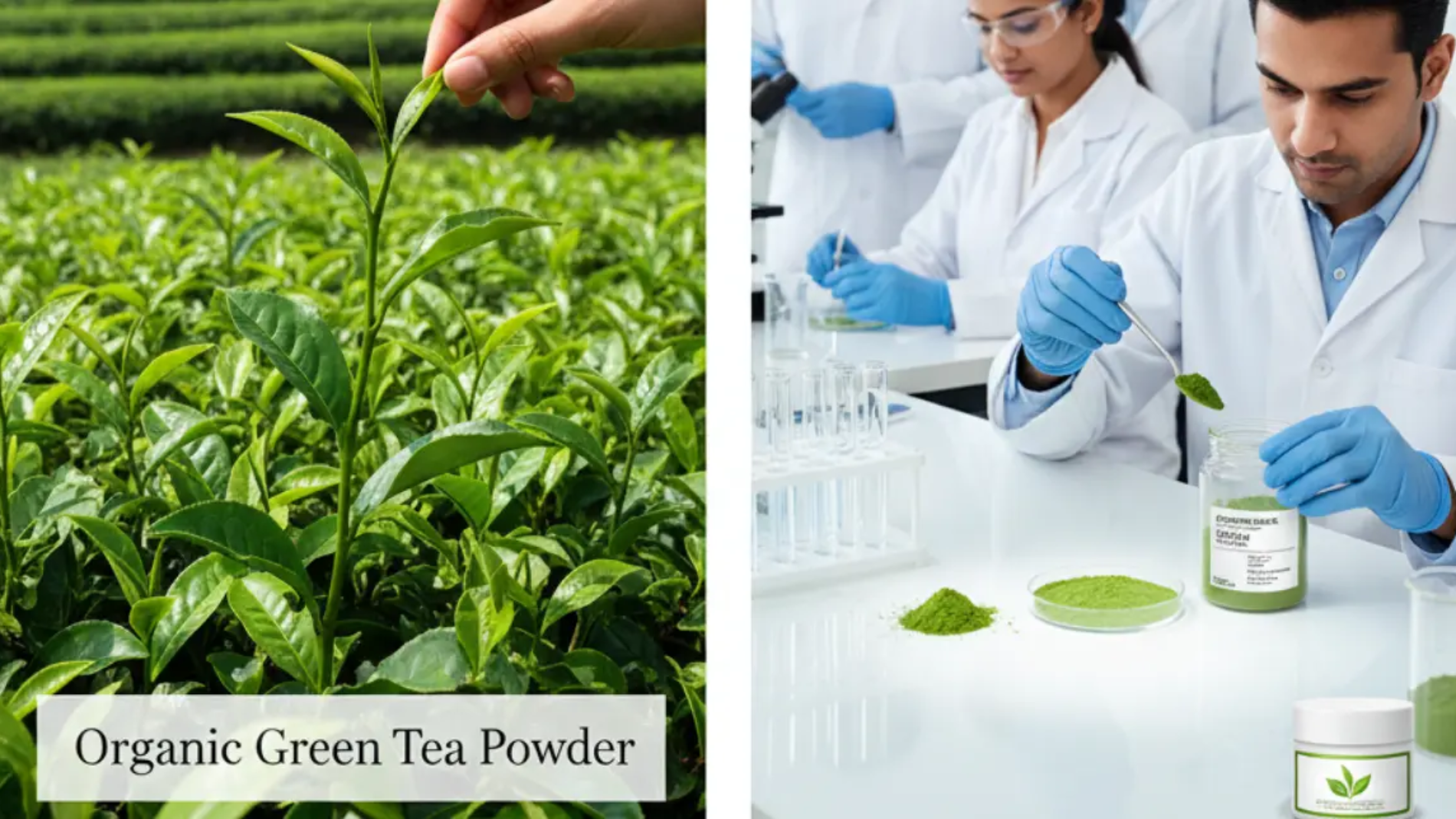
When sourcing, ask your supplier for a Certificate of Analysis (COA) that specifies the total polyphenol or EGCG content. A higher percentage indicates a more potent and effective ingredient for your skincare line.

Spice Up Your Business with Authentic Indian Flavors

Import and Export Excellence from India!

2. Purity and Verifiable Organic Certification

For a clean beauty ingredient, purity is non-negotiable. “Cosmetic-grade” means the powder must be meticulously clean and free from contaminants that could irritate the skin or compromise the final product.

The Organic certification is your first line of defense. It guarantees the tea was cultivated without synthetic pesticides, herbicides, or fertilizers. Beyond this, a reputable supplier must provide a COA that verifies the powder is free from:

  • Heavy metals (like lead and arsenic).

  • Harmful microbes (yeast, mould, bacteria).

This ensures the safety and integrity of your formulation.

3. Ultra-Fine Particle Size (Mesh)

This is a critical physical property for skincare formulation. A coarse, food-grade powder will feel gritty and abrasive in a topical product, creating a poor user experience.

Cosmetic-grade green tea powder should be micronized to an extremely fine particle size, often 200 mesh or finer. This ultra-fine texture ensures that it:

  • Creates a smooth, luxurious feel in creams, lotions, and serums.

  • Disperses evenly throughout a formula without settling.

  • Doesn’t feel abrasive in physical applications like face masks or exfoliants.

4. Vibrant Colour and Fresh Aroma

The sensory characteristics of the powder are direct indicators of its quality and freshness. Oxidized, old green tea powder loses its potency.

  • Colour: The powder should be a bright, vibrant green. A dull, brownish, or yellowish hue is a major red flag, indicating that the delicate antioxidant compounds have degraded. For products like clay masks, this vibrant green colour also adds to the natural, aesthetic appeal.

  • Aroma: It should have a fresh, clean, and grassy smell. A stale, dusty, or hay-like aroma points to old stock that has lost its effectiveness.

5. Sourcing from a Reputable and Knowledgeable Supplier

Finally, it’s essential to partner with a supplier who understands the specific, stringent requirements of the cosmetics industry. When sourcing from India, a major producer of fine teas, look for a partner who can:

  • Provide all necessary organic certifications (USDA, EU Organic, etc.).

  • Supply a detailed Certificate of Analysis (COA) with microbiological and heavy metal data.

  • Specify the particle size (mesh) of the powder.

  • Guarantee a consistent, high-quality supply chain.

By demanding these quality markers, beauty brands can confidently harness the true, scientifically proven power of this ancient botanical.

Frequently Asked Questions (FAQs)

1. Is the caffeine in organic green tea powder good for skin?

Yes, caffeine is a popular skincare ingredient. When applied topically, it has vasoconstrictive properties, which can help reduce puffiness and under-eye bags. It is also a potent antioxidant.

2. What is the difference between food-grade and cosmetic-grade powder?

The main differences are purity and particle size. Cosmetic-grade green tea undergoes stricter testing for microbes and heavy metals and is milled to a much finer powder to ensure a smooth texture in skincare products.

3. How do I incorporate the powder into an emulsion (cream/lotion)?

For best results, the fine powder should be dispersed in the glycerin or water phase of your formula before emulsification to ensure it is evenly distributed without clumping.

4. What is the recommended usage percentage in a formula?

The typical usage level for organic green tea powder in a skincare formula ranges from 0.5% to 5%, depending on the product type (e.g., a higher percentage for a wash-off mask, a lower percentage for a leave-on serum).

5. Will the green colour of the powder stain the skin?

At typical cosmetic usage levels, the vibrant green colour will not stain the skin, especially when formulated into a cream, lotion, or serum. In a wash-off mask, it provides a pleasant green tint that rinses away cleanly.

6. Can I use it in oil-based formulas like facial oils or balms?

While green tea powder is not oil-soluble, it can be suspended in oil-based formulas. Using an ultra-fine, micronized powder is essential to ensure it stays evenly dispersed and doesn’t feel gritty.

7. Does the “flush” or harvest time of the tea matter for cosmetic use?

While less critical than for drinking, teas from earlier flushes (like the first flush) often have a higher concentration of certain catechins and a more vibrant colour, which can be beneficial for cosmetic efficacy and aesthetics.

8. Why is “organic” so important for a cosmetic ingredient?

The skin can absorb substances applied to it. Using a certified organic ingredient ensures that you are not introducing unwanted pesticide residues or synthetic chemicals into your skincare formula, aligning with the core principles of the clean beauty movement.

About us

We bridge the gap between local producers and global markets, ensuring seamless trade facilitation with exceptional quality and reliability. We provide quick delivery services with customized packaging with all approval of International Certificates (Spices board India, MSME, IEC, fssai, FIEO, APEDA, EU certification, FDA and Many More)

Contact us

Shop No. 3, Ganesh Prestige Sr. No. 2/15, Near Laxmi Jewellers, Dhanakawadi, Pune – 411043, Maharashtra INDIA.

Call On

+91 9545205050

+91 9822422584

Email

sales@aquaconnectexim.com

aquaconnectexim@gmail.com

CTC Black Tea Powder

Why Tea Bag Companies Exclusively Rely on CTC Black Tea Powder

The humble tea bag is a marvel of modern convenience. Billions are used every day around the world, with each one carrying the consumer’s expectation of a quick, flavourful, and satisfying cup of tea. For the global brands behind these products, delivering on that promise, consistently, across millions of units, is a monumental task. Their success hinges on one specific, powerful ingredient: CTC Black Tea Powder.

While the world of tea is vast, with artisanal whole-leaf varieties commanding premium prices, the engine room of the global tea bag industry is powered almost exclusively by CTC tea. But what is it about this particular type of Black Tea Powder that makes it so indispensable? The answer lies in a perfect alignment of its physical properties with the demands of the modern tea drinker. From our vantage point in Pune, at the heart of the world’s largest CTC-producing nation, the reasons are crystal clear.

1. The Need for Speed: Rapid and Powerful Infusion

A tea bag has a very short window—typically 2 to 3 minutes—to work its magic. Consumers expect a rich colour and strong flavour almost instantly. This is where the CTC method is unparalleled.

CTC stands for Crush, Tear, Curl, a highly mechanized process where fresh tea leaves are run through a series of cylindrical rollers that macerate and form them into small, hard, dense granules. These tiny pellets have an incredibly high surface-area-to-volume ratio. When they hit hot water, they release their flavour compounds and colour (known as liquor) immediately. An orthodox, whole-leaf tea, by contrast, needs much more time to unfurl and slowly release its essence, making it completely unsuitable for the fast pace of tea bag brewing.

2. Consistency is King: The Promise of Uniformity

A global brand cannot afford for its tea to taste different from one box to the next. The mechanized and standardized nature of the CTC process is the key to achieving this consistency. Unlike the variable, hand-crafted nature of orthodox teas, the CTC method ensures that the size, density, and chemical composition of the tea granules are remarkably uniform.

This means that every single tea bag in a production run of millions will brew a cup of tea with the exact same strength, colour, and taste profile. For a brand, this consistency is not just a feature; it is their core promise to the customer.

3. The Perfect Grade for the Perfect Bag

The CTC process allows for precise sorting of the Black Tea Powder into different grades based on particle size. This is a crucial element for tea bag manufacturing, as it allows blenders to create a precise “recipe” for their signature brew. The main tea grades used are:

  • Fannings (OF – Orange Fannings): Small particles that are larger than Dust. They form the base of many blends, providing a good balance of brisk flavour and rich colour.

  • Dust (D/PD – Dust/Pekoe Dust): The smallest particles. Dust infuses extremely quickly to produce the strongest and darkest liquor. It is a vital component for blends that need a powerful colour kick and a robust strength.

By specifying an exact ratio of these grades (e.g., 70% Fannings, 30% Dust), a company can craft a unique and completely replicable product.

Spice Up Your Business with Authentic Indian Flavors

Import and Export Excellence from India!

4. A Flavor Profile Built for Milk and Sugar

The vast majority of black tea bags sold globally are consumed with milk, sugar, or both. This requires a tea with a flavour profile that is strong enough to stand up to these additives without becoming weak or washed out.

CTC tea, particularly a robust Assam tea, is celebrated for its bold, brisk, and malty character. This inherent strength is its superpower. It cuts through the creaminess of milk and balances the sweetness of sugar, delivering a satisfying and full-bodied cup every time. A delicate, nuanced orthodox tea would be completely lost in this context.

5. The Economics of Efficiency and Supply

Finally, the realities of mass-market production demand an ingredient that is both cost-effective and available in massive quantities. The CTC method is a highly efficient, high-volume production process. This efficiency makes it a more affordable raw material than artisanal orthodox teas.

Furthermore, partnering with a reliable Indian tea supplier provides access to the world’s largest and most established CTC production ecosystem. This guarantees the kind of supply chain security that a global brand needs to operate without interruption.

In conclusion, the tea bag and CTC Black Tea Powder are a perfect match, a partnership born of the consumer’s need for a quick, strong, and reliable cup of tea.

Frequently Asked Questions (FAQs)

1. What do the CTC grades like BOP, OF, and PD actually mean?

They refer to the size of the tea granule. BOP (Broken Orange Pekoe) is larger, OF (Orange Fannings) is smaller, and PD (Pekoe Dust) is the smallest. Tea bags primarily use a blend of Fannings and Dust for quick, strong infusion.

2. Can orthodox (whole-leaf) tea be used in tea bags?

While some premium “pyramid” bags use whole-leaf tea, it’s not suitable for the standard flat tea bag. Orthodox leaves need more room and a much longer time (4-5 minutes) to unfurl and infuse properly, which doesn’t align with the typical consumer’s quick brewing habits.

3. Does CTC processing destroy the health benefits of tea?

No. While the process is different, CTC tea is still rich in the same antioxidants (flavonoids) and caffeine as orthodox tea. The primary difference is in the flavour profile and infusion speed, not the core health benefits.

4. What is the best CTC grade for a strong morning tea bag?

A blend with a higher proportion of Dust (PD) grade will produce a stronger, darker, and quicker brew, which is often preferred for a classic “English Breakfast” or “Irish Breakfast” style tea bag.

5. Why is Assam, India so famous for CTC tea?

The robust and malty character of the Assam tea leaf is perfectly suited to the CTC process. It creates a final product that is incredibly strong and flavourful, making Assam the world’s leading producer of high-quality CTC tea.

6. Does the “Crush, Tear, Curl” process sound harsh?

While the name sounds aggressive, it’s a precise and controlled process designed to rupture the tea leaf cells to promote rapid oxidation and infusion. It’s a method engineered for a specific, desirable result.

7. Is all Black Tea Powder made using the CTC method?

No. Orthodox black teas can also be ground into a powder, but this is less common for industrial use. When a B2B buyer refers to Black Tea Powder for mass-market applications, they are almost always referring to CTC grades.

8. How do I choose a good supplier for CTC Black Tea Powder?

Look for an Indian tea supplier with a proven track record, direct relationships with tea estates, and the ability to provide a comprehensive Certificate of Analysis (COA) for each batch, detailing the grade, quality, and food safety parameters.

About us

We bridge the gap between local producers and global markets, ensuring seamless trade facilitation with exceptional quality and reliability. We provide quick delivery services with customized packaging with all approval of International Certificates (Spices board India, MSME, IEC, fssai, FIEO, APEDA, EU certification, FDA and Many More)

Contact us

Shop No. 3, Ganesh Prestige Sr. No. 2/15, Near Laxmi Jewellers, Dhanakawadi, Pune – 411043, Maharashtra INDIA.

Call On

+91 9545205050

+91 9822422584
Email

sales@aquaconnectexim.com

aquaconnectexim@gmail.com

black cumin seeds

An Importer’s Guide to Sourcing High-Quality Black Cumin Seeds (Kalonji)

The global demand for functional spices—ingredients that offer both unique flavour and profound health benefits—is surging. At the forefront of this trend is a powerful, ancient spice with a rich history: Black Cumin Seeds (Nigella sativa), known throughout India and the Middle East as Kalonji.

From its use in traditional medicine to its modern applications in the nutraceutical and gourmet food industries, the market for this potent “black seed” is expanding rapidly. However, for spice importers and manufacturers, sourcing high-quality Kalonji requires a specific set of knowledge. It’s a product where purity, potency, and botanical accuracy are paramount. This guide provides an essential checklist for procuring authentic, high-grade Black Cumin Seeds for the international market.

1. Botanical Clarity: It's Nigella sativa, Not Cumin

The first and most critical step in sourcing is to ensure you are buying the correct spice. There is widespread confusion between Black Cumin (Nigella sativa) and regular cumin (Cuminum cyminum).

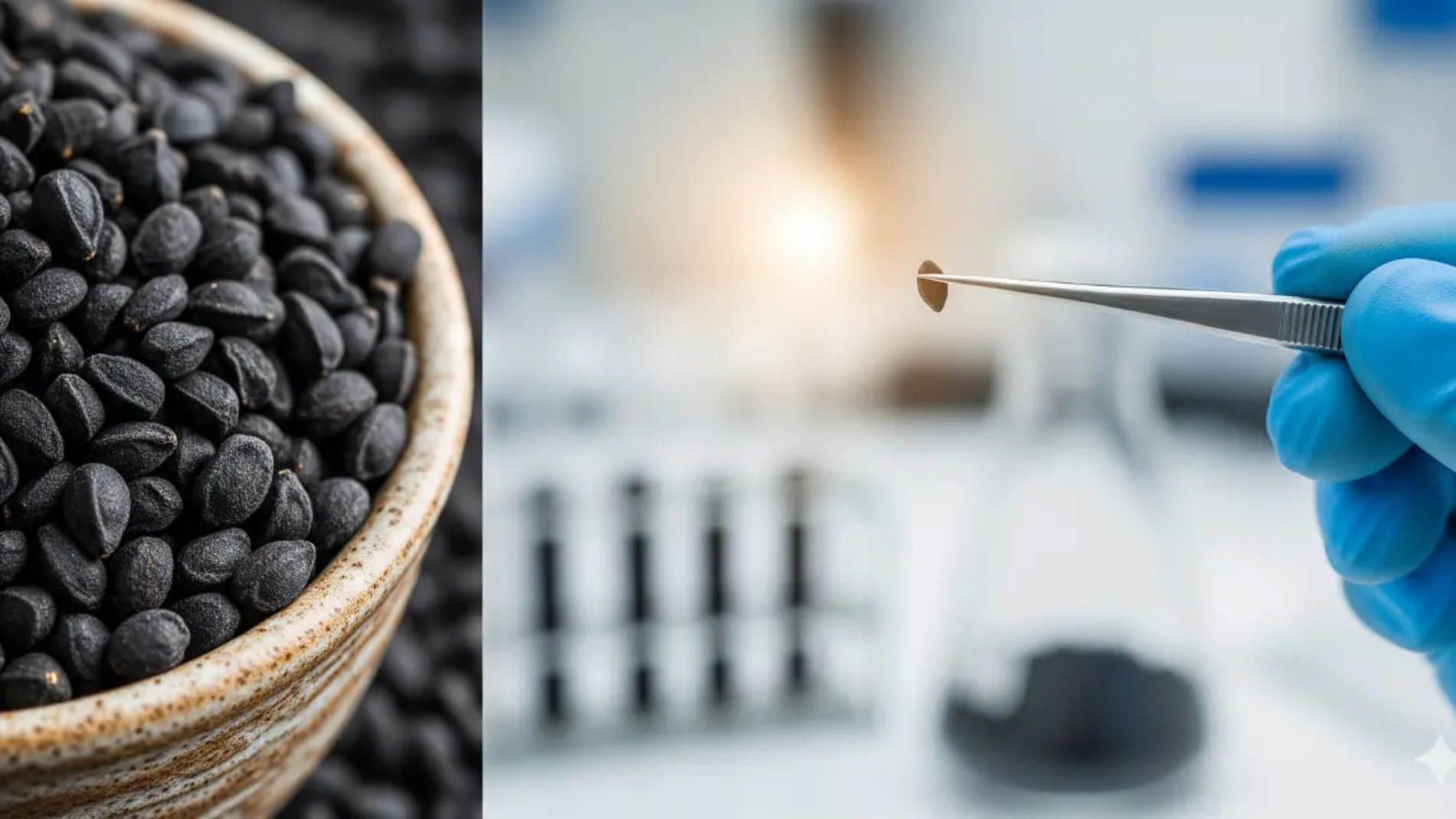
  • Black Cumin (Nigella sativa): These are the small, matte, jet-black, teardrop-shaped seeds in question. Their flavour is pungent, slightly bitter, and peppery, with notes of oregano. This is Kalonji.

  • Regular Cumin (Cuminum cyminum): These are the familiar brownish-yellow, boat-shaped seeds known as Jeera. Their flavour is warm, earthy, and aromatic.

These two are not interchangeable. A knowledgeable supplier will always be clear about the botanical name to avoid any confusion in your supply chain.

2. The Power of Thymoquinone: The Key Quality Marker

The primary reason for the booming interest in Black Cumin Seeds is their rich concentration of bioactive compounds, chief among them being Thymoquinone. This powerful compound is the subject of extensive scientific research and is credited with most of the seed’s antioxidant, anti-inflammatory, and therapeutic properties.

For importers, especially those supplying to the nutraceutical, supplement, or wellness industries, the Thymoquinone content is a critical quality marker. Just as curcumin is the key to turmeric’s value, Thymoquinone is the key to Kalonji’s. Sourcing from regions and suppliers known for high-potency seeds is essential for creating an effective end-product.

Spice Up Your Business with Authentic Indian Flavors

Import and Export Excellence from India!

3. Key Visual and Sensory Specifications

Before committing to a bulk order, a physical sample must be evaluated against key quality benchmarks.

  • Appearance: The seeds should be uniformly jet black with a matte finish. A greyish or dull appearance can indicate age or improper storage. The seeds should be whole, not broken.

  • Aroma: When rubbed between your fingers, the seeds should release a strong, pungent, and slightly medicinal or peppery aroma. A weak or non-existent smell is a red flag for old stock with depleted volatile oils.

  • Purity: Premium Kalonji for export should be exceptionally clean. Look for a purity level of 99% or higher, achieved through advanced methods like Sortex cleaning, which removes dust, stems, and other foreign matter.

4. Sourcing from India: A Hub of Quality Kalonji

India is one of the world’s primary producers and exporters of high-quality Nigella sativa. The country has an ideal climate for cultivation and a deep-rooted history of using the spice, meaning there is a well-established ecosystem of experienced farmers and processors.

When sourcing from India, importers gain access to this expertise. Reliable black cumin suppliers here understand the stringent quality parameters required by international markets, from purity levels to food safety standards.

5. The Importance of the Certificate of Analysis (COA)

For any B2B transaction, a Certificate of Analysis is non-negotiable. This document is your scientific guarantee of quality for the specific batch you are purchasing. A comprehensive COA for Black Cumin Seeds should verify:

  • Purity Percentage: Confirming the absence of foreign matter.

  • Moisture Content: A low moisture level (typically below 8-9%) is crucial for ensuring a long and stable shelf life.

  • Volatile Oil Content: A key indicator of the seed’s aromatic potency.

  • Microbiological Safety: Confirmation that the product is free from harmful bacteria like Salmonella and E. coli.

  • Thymoquinone Level (Optional but Recommended): For nutraceutical-grade products, this should be explicitly tested and stated.

Sourcing Black Cumin Seeds is about more than just finding a culinary spice; it’s about procuring a high-value functional ingredient. By focusing on these five key areas, importers can ensure they are investing in a pure, potent, and authentic product that will meet the highest standards of their customers.

Spice Up Your Business with Authentic Indian Flavors

Import and Export Excellence from India!

Frequently Asked Questions (FAQs)

1. What is the expected shelf life of bulk Black Cumin Seeds?

When stored in a cool, dark, and dry place in airtight packaging, high-quality Kalonji can maintain its potency and freshness for up to two years.

2. Is there a difference between Black Cumin and Black Sesame seeds?

Yes, they are completely different. Black Cumin (Nigella sativa) is a small, matte black, teardrop-shaped seed with a pungent flavour. Black Sesame (Sesamum indicum) is a flatter, shinier black seed with a nutty flavour.

3. Can I get a COA that specifies the Thymoquinone percentage?

Yes, many high-end suppliers who cater to the nutraceutical industry can provide testing and a COA that includes the Thymoquinone percentage. It’s a key specification to ask for if this is important for your end product.

4. What is the best way to store Kalonji to preserve its potency?

Store it in an airtight container away from direct sunlight, heat, and moisture. This protects the volatile oils and the delicate bioactive compounds from degrading.

5. What are the main culinary uses of Black Cumin Seeds?

Kalonji is famously sprinkled on top of naan bread. It’s also used in pickles (achar), some curries, and lentil dishes (dals). Its pungent flavour is a staple in Bengali and Middle Eastern cuisines.

6. Are these the same seeds used to make “black seed oil”?

Yes, the highly popular “black seed oil” is extracted from these exact seeds, Nigella sativa. The quality and potency of the oil are directly dependent on the quality of the seeds used.

7. How do I know if the seeds are fresh?

The best indicators are a strong, pungent aroma when crushed and a deep, uniform jet-black colour. Old seeds will look duller and have a much weaker smell.

8. Why is sourcing from a reputable Indian supplier a good choice?

Reputable suppliers in India have direct access to the major growing regions, employ modern cleaning technologies like Sortex, and have extensive experience in meeting the stringent documentation and quality requirements for international export.

About us

We bridge the gap between local producers and global markets, ensuring seamless trade facilitation with exceptional quality and reliability. We provide quick delivery services with customized packaging with all approval of International Certificates (Spices board India, MSME, IEC, fssai, FIEO, APEDA, EU certification, FDA and Many More)

Contact us

Shop No. 3, Ganesh Prestige Sr. No. 2/15, Near Laxmi Jewellers, Dhanakawadi, Pune – 411043, Maharashtra INDIA.

Call On

+91 9545205050

+91 9822422584

Email

sales@aquaconnectexim.com

aquaconnectexim@gmail.com