

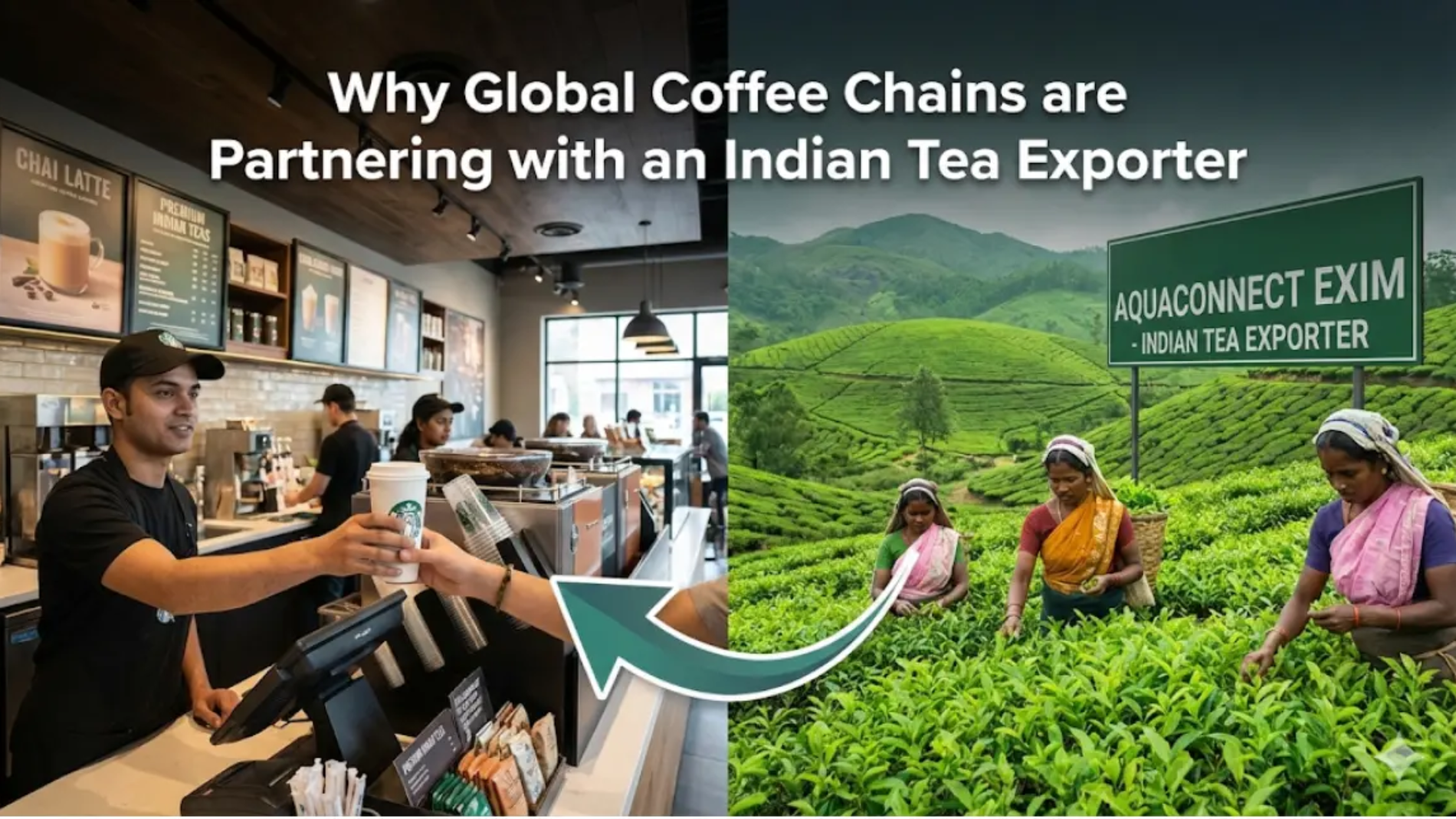
The modern coffee shop is no longer just about coffee. If you walk into a major café chain in London, New York, or Dubai today, you will notice a significant shift. The menu boards are increasingly dominated by “Spiced Chai Lattes,” “Golden Turmeric Teas,” and “Iced Earl Greys.” As the global beverage market evolves, coffee giants are realizing that to maximize revenue, they must capture the tea-drinking demographic.
To execute this pivot successfully, these chains aren’t just buying off the shelf—they are forging direct strategic partnerships with the source. This has led to a surge in demand for a professional and reliable Tea Exporter from India. As the world’s second-largest tea producer and the undisputed home of “Masala Chai,” India offers unique advantages that are reshaping the procurement strategies of global café brands.
Here is why the world’s biggest coffee chains are turning to Indian tea exporters to fuel their next phase of growth.
1. The "Chai Latte" Revolution Requires Authentic Strength
The biggest driver of tea in coffee chains is the “Chai Latte.” However, making a good Chai Latte requires a specific type of tea base. It needs to be strong, gutty, and bold enough to punch through heavy layers of steamed milk and sugar syrups.
Delicate teas from other regions often get lost in the mix. This is where an Indian Tea Exporter becomes indispensable. India is the global leader in producing CTC (Crush, Tear, Curl) Black Tea, particularly from the Assam region. This tea is engineered for strength and quick color release. By partnering directly with an Indian exporter, coffee chains can secure the specific “BP” or “OF” grades of Assam tea that provide the authentic, robust flavor profile customers expect in a premium Chai Latte, distinguishing their product from watery, instant alternatives.
2. A "One-Stop-Shop" for Menu Diversity
Coffee chains today are expected to offer a wide “Tea Menu” to compete with specialty tea houses. They need a variety of options: strong breakfast teas, floral afternoon teas, and health-focused green teas.
India is unique because it is a single country that offers the entire flavor spectrum.
Assam: For strong, malty breakfast blends.
Darjeeling: The “Champagne of Teas” for premium, black-coffee drinkers.
Nilgiri: For clear, non-clouding iced teas.
Green Tea: Increasing production from regions like Kangra and Dooars.
Instead of managing logistics with five different vendors across three continents, a procurement manager can work with a single, versatile bulk tea supplier in India to consolidate all these varieties into one shipment, streamlining the supply chain significantly.
inar dapibus leo.
Spice Up Your Business with Authentic Indian Flavors
Import and Export Excellence from India!
3. Consistency Across Thousands of Outlets
For a global franchise, consistency is non-negotiable. A cup of tea in Seattle must taste identical to one in Singapore. Achieving this with an agricultural product that changes with every season is a challenge.
A professional Tea Exporter does more than just ship sacks; they are masters of blending. Top-tier Indian exporters operate advanced tasting and blending facilities where they mix teas from different gardens and harvest periods to create a “Standardized Blend” that matches the client’s flavor profile year-round. This technical expertise allows coffee chains to scale their operations without worrying about flavor variances that could hurt their brand reputation.
4. Tapping into the "Wellness" and "Functional" Market
Coffee shops are increasingly positioning themselves as wellness hubs. Consumers are looking for “Functional Beverages”—drinks that offer health benefits.
Indian exporters are at the forefront of this trend, offering value-added products like Turmeric Tea, Tulsi (Holy Basil) Tea, and Ayurvedic Herbal Blends. By sourcing these superfood ingredients directly from an Indian Tea Exporter, coffee chains can create high-margin “Wellness Shots” or “Detox Teas” that appeal to health-conscious millennials, a demographic that is often willing to pay a premium for functional ingredients.
5. Cost Efficiency via Direct Sourcing
In the traditional trade model, tea passes through auctions, multiple brokers, and wholesalers before reaching a café, with each layer adding a markup.
By partnering directly with an origin-based Tea Exporter, coffee chains cut out the middlemen. This direct-trade model offers two massive benefits:
Lower Costs: It significantly reduces the per-cup food cost, improving profit margins.
Fresher Product: The tea spends less time sitting in third-party warehouses, meaning the customer gets a fresher, more aromatic cup.
Spice Up Your Business with Authentic Indian Flavors
Import and Export Excellence from India!
6. Sustainability and "Origin Stories"
Modern consumers love a good story. They want to know where their drink comes from and whether it was sourced ethically.
India’s tea industry is steeped in history and is rapidly adopting sustainable practices. Many Indian exporters now supply Rainforest Alliance, Fair Trade, or Organic certified teas. Partnering with an Indian wholesale tea supplier allows coffee chains to market their tea menu with compelling “Farm-to-Cup” narratives, highlighting traceability and support for tea-growing communities. This ethical branding aligns perfectly with the corporate social responsibility (CSR) goals of major global chains.
The era of coffee shops treating tea as an afterthought is over. As tea becomes a central revenue stream, the role of the supplier has changed from a vendor to a strategic partner.
For global chains, an Indian Tea Exporter offers the perfect blend of authenticity, variety, and scalability. By leveraging India’s rich tea heritage and modern export infrastructure, these chains are not just filling their menus; they are creating experiences that keep customers coming back for more than just coffee.
Frequently Asked Questions (FAQs)
1. Why do coffee shops prefer CTC tea over loose leaf for Chai Lattes?
CTC (Crush, Tear, Curl) tea is processed to be granular and dense. It infuses very quickly and produces a strong, dark liquor that retains its bold flavor even when mixed with large amounts of milk and sugar, making it the ideal base for Chai Lattes.
2. Can an Indian Tea Exporter supply Green Tea? Yes. While India is famous for black tea, it is also a significant producer of Green Tea, particularly from regions like Assam, Darjeeling, and the Nilgiris. Many exporters offer both steam-type and pan-fried green teas.
3. What is the advantage of sourcing from a single exporter?
Sourcing from a single Tea Exporter allows you to consolidate multiple types of tea (Black, Green, Herbal) into one container. This reduces shipping costs, simplifies customs documentation, and streamlines inventory management.
4. How do exporters ensure consistency in flavor year-round?
Professional exporters use “Tea Tasters” and blenders who mix teas from different gardens and seasons to match a specific “Standard Standard” or benchmark sample. This ensures the flavor profile remains consistent regardless of seasonal crop variations.
5. Do Indian tea exporters offer private label packaging?
Yes, most major exporters offer Private Label services. They can pack tea into tea bags, retail boxes, or branded tins with your company’s logo and design, ready for immediate sale in your cafe or store.
6. What certifications should I look for in a tea exporter?
Reliable exporters should hold food safety certifications like ISO 22000, HACCP, and FSSAI. For export markets, look for FDA registration (for USA) and specific certifications like Organic (NPOP/USDA), Rainforest Alliance, or Fair Trade if sustainability is a priority.
7. Can I get custom tea blends created for my brand?
Absolutely. You can work with the exporter’s R&D team to create a “Signature Blend”—for example, an Earl Grey with a specific floral note or a Breakfast Blend with a specific strength—that is unique to your brand.
8. Is Indian tea cheaper than tea from other origins?
India offers a very wide price range. While premium Darjeeling can be expensive, bulk CTC tea from India is highly competitive in price globally, offering excellent value for money due to the massive scale of production.
About us
We bridge the gap between local producers and global markets, ensuring seamless trade facilitation with exceptional quality and reliability. We provide quick delivery services with customized packaging with all approval of International Certificates (Spices board India, MSME, IEC, fssai, FIEO, APEDA, EU certification, FDA and Many More)
Contact us
Shop No. 3, Ganesh Prestige Sr. No. 2/15, Near Laxmi Jewellers, Dhanakawadi, Pune – 411043, Maharashtra INDIA.
Call On
+91 9545205050
+91 9822422584
Leave A Comment