
cumin seed

When is the Best Time to Buy Cumin Seed in Bulk?

For importers and bulk buyers in the global spice trade, timing is everything. When purchasing an agricultural commodity like the cumin seed jeera the question of “when” you buy can be just as critical as “what” you buy. The annual cumin seed price is not static; it ebbs and flows with the seasons, driven by a predictable cycle of sowing, harvesting, and market arrivals.

Understanding this cycle is the key to optimizing your procurement strategy, ensuring you get the freshest product at the most competitive price. As India is the world’s largest producer and exporter of this aromatic spice, the entire global market moves in rhythm with the Indian cumin harvest. This guide will break down the cumin seed’s annual calendar to help you make informed, strategic purchasing decisions.

Understanding the Cumin Seed Annual Cycle in India

Cumin is a winter crop, known as a Rabi crop in India, with a distinct and relatively short cultivation cycle. The entire market sentiment for the year is shaped by the events within these few months.

  • Sowing Season (October – December): Farmers, primarily in the key states of Gujarat and Rajasthan, begin sowing cumin seeds. Market analysts and experienced cumin seed closely monitor the total acreage sown during this period, as it provides the first forecast of the potential size of the upcoming crop.

  • Growing Season (December – February): This is a critical phase where the crop is vulnerable. Weather conditions play a huge role. Favourable, cool, and dry weather can lead to a bumper crop, while events like frost or unseasonal rain can significantly damage yields, creating future price volatility.

  • Harvest Season (February – March): The cumin plants mature and are harvested. This is an intensive period where the quality and volume of the year’s supply are determined.

  • Market Arrivals (March – May): This is when the action truly begins. The freshly harvested cumin seed starts arriving in large volumes at major agricultural market yards (mandis), especially in Unjha, Gujarat, which is the global epicentre for cumin trading.

Spice Up Your Business with Authentic Indian Flavors

Import and Export Excellence from India!
The Strategic Window: When to Place Your Bulk Cumin Seed Order

Based on this cycle, there are distinct periods for buying, each with its own advantages and disadvantages.

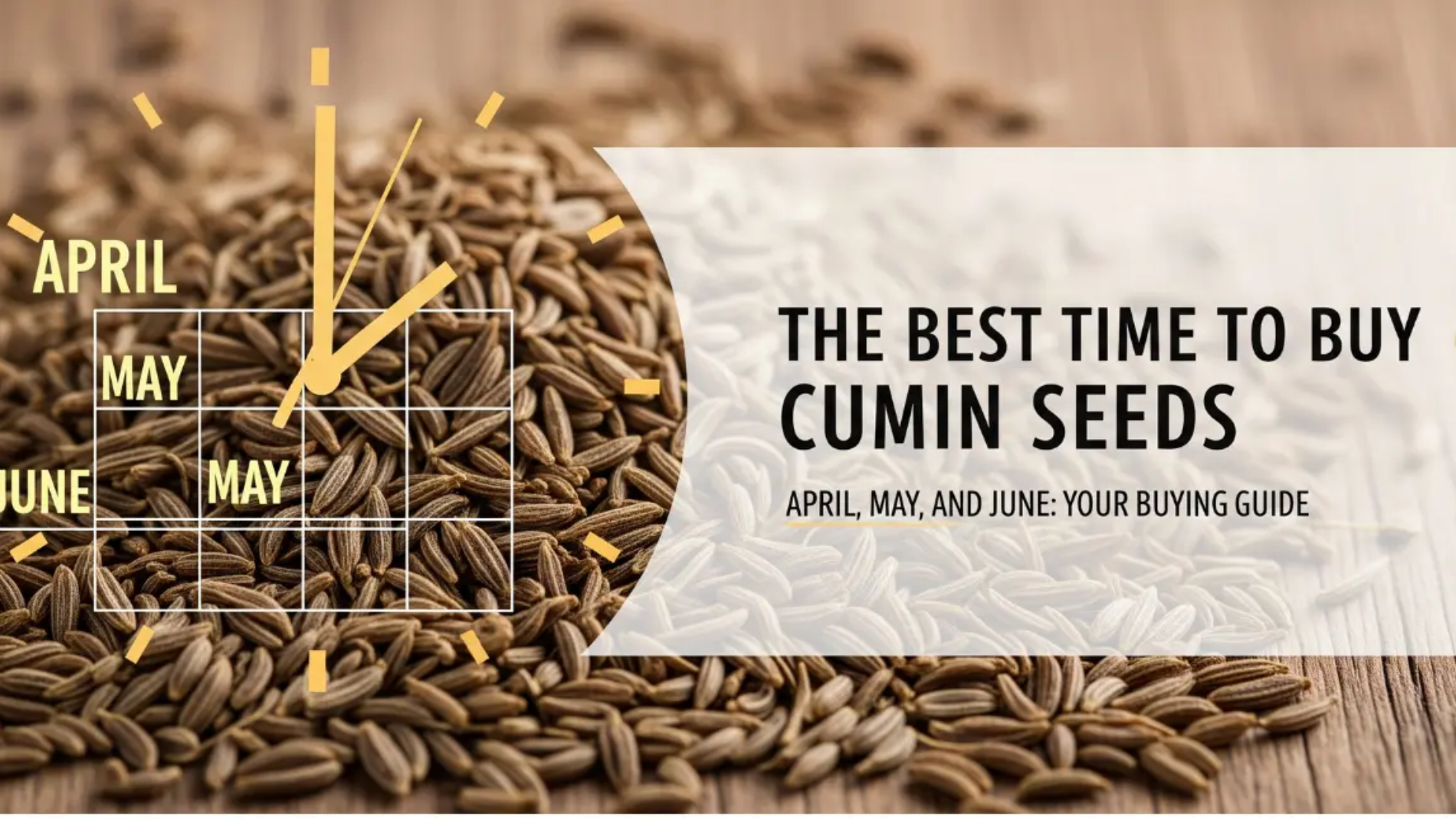
The Prime Buying Period: Post-Harvest (April to June)

This is, without a doubt, the best time for importers to secure their bulk cumin seed contracts for the year.

  • Why? During these months, market supply is at its absolute peak. The massive influx of the new harvest leads to downward pressure on the cumin seed price, making it the most competitive point in the year. The product is also at its freshest, boasting the highest volatile oil content, which translates to superior aroma and flavour. This is the ideal window to lock in large-volume orders.

The Shoulder Season: Mid-Year (July to October)

If you miss the prime window, this period still offers good opportunities.

  • What happens? By now, a significant portion of the harvest has been sold and moved into storage. Prices tend to stabilize or begin a slow, gradual climb as supply is no longer at its peak. The quality of well-stored cumin seed remains excellent. It’s a stable period for regular purchasing, though you may have missed the year’s lowest prices.

The Lean Season: Pre-Harvest (November to January)

This is generally the most challenging time to make large purchases.

  • What happens? The previous year’s stock is dwindling. The market is driven by speculation about the new crop being sown. With supply at its lowest, prices are typically at their highest point in the annual cycle. It is advisable to rely on pre-secured stock during this time and avoid entering the market for major new contracts unless absolutely necessary.

Factors That Can Disrupt the "Best Time

While the cycle is a reliable guide, external factors can create exceptions:

  • Weather Volatility: A sudden weather event can override typical seasonal trends, causing prices to spike unexpectedly.

  • Global Demand: A sudden surge in demand from major importing regions can prop up prices even during the peak arrival season.

  • Carry-Over Stock: If the previous year had a bumper crop, the large carry-over stock can keep prices subdued even as the new season begins.

  • Government Policies: Any changes in agricultural or export policies can influence market dynamics.

Partnering with the Right Cumin Seed Exporter

Navigating these market dynamics requires more than just reading a calendar. This is where a strategic partnership with a reliable cumin seed exporter becomes invaluable. A good exporter is not just a seller; they are your eyes and ears on the ground in India. They provide crucial market intelligence, insights into crop health, and data-driven advice on when to enter the market. They also possess state-of-the-art storage facilities to ensure that the bulk cumin seeds you buy in April retains its quality and freshness for months to come.

In conclusion, while the April-to-June post-harvest window offers the most strategic advantage for price and freshness, your purchasing decisions should always be backed by insights from a trusted partner.

Frequently Asked Questions (FAQs)

1. What is the Unjha market, and why is it important for cumin?

Unjha, in Gujarat, India, is the world’s largest regulated wholesale market for cumin seed jeera Prices and quality standards set in Unjha often influence the entire global cumin trade.

2. How much does the cumin seed price fluctuate during the year?

The price can fluctuate significantly. It’s not uncommon to see prices in the lean season (Nov-Jan) be 15-25% higher, or even more, than the lows seen during the peak arrival season (Apr-Jun), depending on the year’s crop size.

3. Can I lock in a price for a full year’s supply?

Yes, many cumin seed exporter offer long-term contracts. The best time to negotiate and lock in such a contract is during the prime buying period (April-June) when prices are most favorable.

4. Is cumin seed from the old crop of lower quality?

Not necessarily. If stored correctly in cool, dry, and clean conditions, cumin seedcan retain its quality for over a year. However, the freshest crop will always have the highest volatile oil content and the most potent aroma.

5. How does the monsoon season in India affect the cumin crop?

Cumin is a winter crop and requires very little water. An erratic or heavy monsoon (June-September) has an indirect effect, primarily by influencing soil moisture levels for the upcoming sowing season in October.

6. What are “Europe Grade” and “Singapore Grade” cumin?

These are quality grades based on purity. “Singapore Grade” typically refers to 99% purity, while the higher-quality “Europe Grade” refers to 99.5% purity, with stricter limits on foreign matter.

7. Do all regions in India harvest cumin at the same time?

The harvest time is largely consistent, occurring between February and March in the primary growing states of Gujarat and Rajasthan, which together account for the vast majority of Indian Cumin production.

8. How can I stay updated on the cumin crop forecast?

Your most reliable source is your export partner. Experienced cumin seed exporter have networks on the ground that provide real-time updates on sowing progress, weather, and crop health, which they can share with their clients.

red chilli powder indian

The Importer’s Handbook for Sourcing Bulk Red Chilli Powder from India

The global appetite for authentic, fiery Indian Spices is insatiable, and at the heart of this demand is the vibrant and pungent red chilli powder Indian varieties are famous for. For international importers and food manufacturers, sourcing this essential spice directly from India offers immense opportunities for quality and value. However, the process can be complex, filled with nuances in quality, purity, and logistics.

Navigating the market requires more than just a purchase order; it requires knowledge. This handbook is your definitive guide to sourcing bulk red chilli powder from India, ensuring every shipment meets your standards for quality, safety, and flavour, and helping you build a successful partnership with trusted red chilli powder exporter.

Understanding the Landscape of Indian Red Chilli Powder

India is the world’s largest producer, consumer, and exporter of chillies, boasting a dazzling array of varieties. Before you import, it’s crucial to understand the main types to match them to your market’s needs:

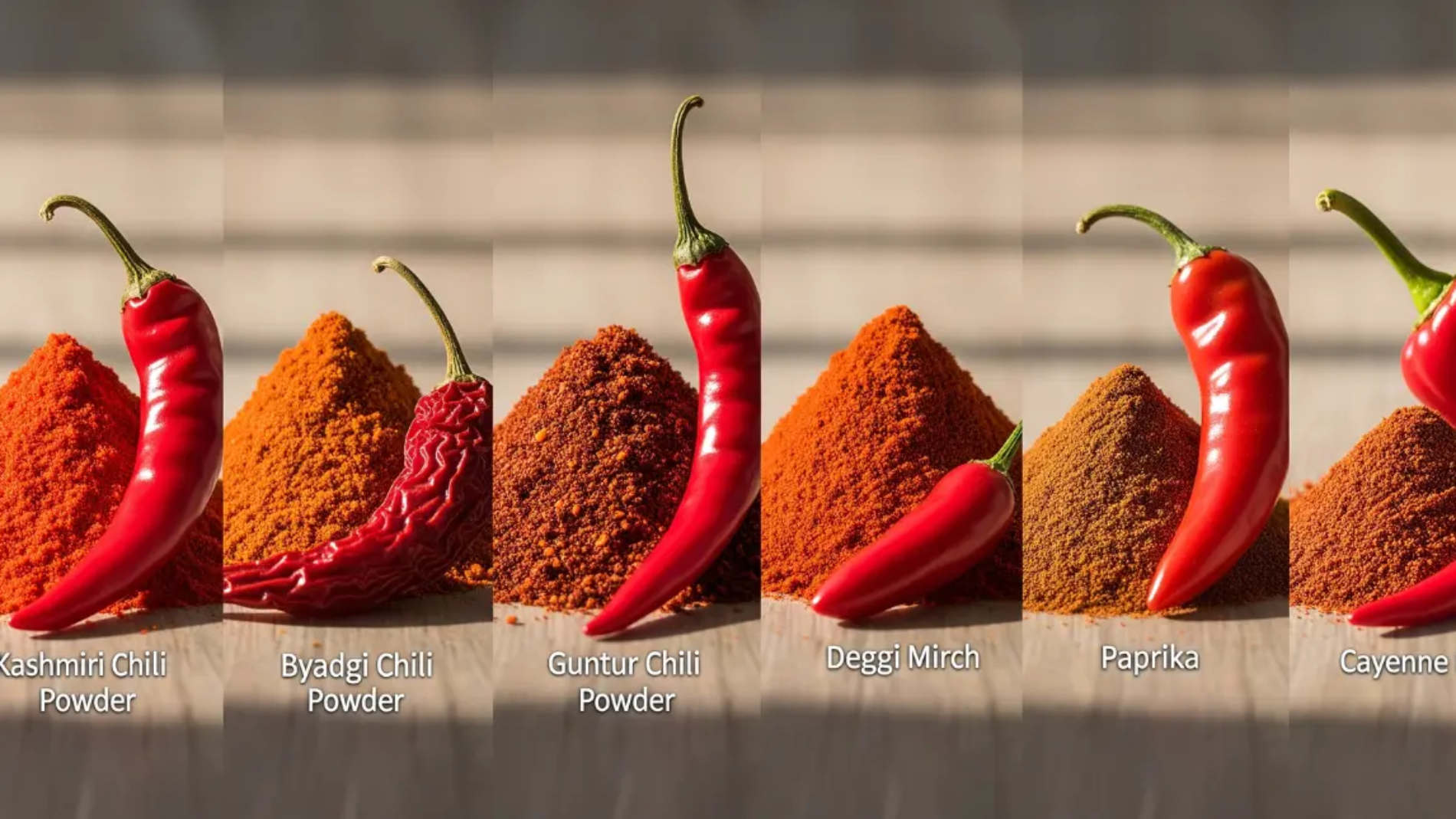
  • Guntur Varieties (Sannam & Teja): Hailing from Andhra Pradesh, these are the workhorses of the chilli world. Guntur Sannam is known for its medium pungency, while Teja is one of the hottest varieties, prized for its intense heat. They are a top choice for those seeking a powerful kick.

  • Kashmiri Chilli: Famous for its vibrant, deep red colour and extremely mild heat. This variety is used primarily as a natural food colourant in countless dishes. If your product’s visual appeal is paramount, Kashmiri is the answer.

  • Byadgi Chilli: Originating from Karnataka, the Byadgi chilli is known for its deep red hue and moderate heat level. It offers a great balance of colour and pungency, making it a popular all-rounder.

The Importer's Checklist: Key Quality Parameters

A professional buyer looks beyond the basic product. Your focus should be on these four critical quality parameters when evaluating red chilli powder from india.

Heat Level (Scoville Heat Units – SHU): The SHU scale measures the pungency or “hotness” of chilli powder. This is a non-negotiable specification. A mild powder might be 1,000-2,000 SHU, while a fiery Teja chilli can be 50,000-100,000 SHU. Ensure the SHU level aligns with your product formulation and consumer preference.

Colour Value (ASTA): The American Spice Trade Association (ASTA) color value measures the extractable colour of the chilli. A higher ASTA value (e.g., 120-160 ASTA for Kashmiri) indicates a more vibrant and stable red colour, which is a key quality marker for sauces, seasonings, and snacks.

Purity and Adulteration: This is a major concern in the spice trade. Reputable exporters will provide lab reports guaranteeing their powder lal mirch is free from common adulterants like brick powder, sawdust, or illegal artificial colourants like Sudan dyes.

Moisture Content: The moisture level should ideally be below 10-11%. Higher moisture can lead to microbial growth, mould, and caking, drastically reducing the product’s shelf life and usability.

Spice Up Your Business with Authentic Indian Flavors

Import and Export Excellence from India!

How to Vet and Select Red Chilli Powder Exporters

Your supplier is your partner in quality. Use this three-step process to vet potential exporters:

  • Step 1: Verify Certifications: A professional exporter should readily provide internationally recognized food safety certifications like ISO 22000, HACCP, or FSSC 22000. They should also be registered with the Spices Board of India.

  • Step 2: Demand a Certificate of Analysis (COA): For every batch, request a COA from an accredited third-party laboratory. This document is your proof of quality. It should verify the SHU, ASTA value, moisture content, and confirm that the powder is free from contaminants like aflatoxins and heavy metals.

  • Step 3: Request and Evaluate Samples: Never place a bulk order without testing a sample. Evaluate it against the promised specifications. Check its colour, aroma, texture, and taste. Does it meet your expectations? A small discrepancy in a sample can become a major problem in a multi-tonne shipment.

Navigating Logistics: From India to Your Port

Sourcing is only half the battle; getting the product to your facility in perfect condition is the other half.

  • Packaging: bulk red chilli powder must be protected from moisture and light. The industry standard is multi-layer paper bags, jute bags, or HDPE bags with an inner food-grade poly-liner to maintain freshness and prevent contamination.

  • Documentation: A smooth customs clearance process depends on accurate documentation. Ensure your supplier can provide an error-free Commercial Invoice, Packing List, Bill of Lading/Airway Bill, and Certificate of Origin.

  • Shipping Terms (Incoterms): Clarify the shipping terms from the outset (e.g., FOB, CIF, EXW). This defines who is responsible for the shipment at each stage and avoids hidden costs.

Sourcing red chilli powder Indian varieties offer is a strategic decision that can elevate your products. By following this handbook, you can navigate the process with confidence, ensuring you procure a high-quality, safe, and authentic product that will delight your customers.

Frequently Asked Questions (FAQs)

1. What is a good ASTA value for red chilli powder?

A good ASTA value depends on the application. For products where colour is critical, like paprika or Tandoori spice blends, a value of 100 or higher is desirable. For general seasoning, a value of 60-80 might be sufficient.

2. How can I be sure the chilli powder is free from illegal dyes like Sudan?

Insist on a Certificate of Analysis (COA) from a reputable, accredited laboratory that specifically tests for and confirms the absence of artificial colourants, including Sudan I, II, III, and IV.

3. What is the difference between “stemless” and “with-stem” chilli powder?

Stemless chilli powder is made from chillies where the stems have been removed before grinding. This results in a higher quality, purer powder with better flavour and colour. “With-stem” powder is cheaper but can have a higher fibre content and slightly duller taste.

4. What are the typical payment terms for bulk orders from India?

Common terms include an advance payment (often 30-50%) with the balance paid against a copy of the shipping documents (Bill of Lading), or through an irrevocable Letter of Credit (LC) for larger orders.

5. Which Indian chilli variety is best for making hot sauce?

The Guntur Teja chilli is a favourite for hot sauces due to its very high heat level (high SHU) and robust flavour. It provides the fiery kick that hot sauce enthusiasts look for.

6. Does the grinding method affect the quality of chilli powder?

Yes. Cryogenic grinding, which uses liquid nitrogen to freeze the chillies before grinding, is a superior method. It preserves the colour, flavour, and volatile oils (which determine aroma and taste) much better than traditional grinding methods that generate heat.

7. Is lal mirch powder the same as red chilli powder?

Yes, lal mirch powder is the Hindi term for red chilli powder. They refer to the same product.

8. What is the Spices Board of India, and why is it important?

The Spices Board of India is the government body responsible for promoting and regulating the export of Indian spices. A supplier registered with the Spices Board is generally considered more credible and compliant with quality standards.

quality onion powder

5 Critical Mistakes to Avoid When Buying Onion Powder in Bulk

Quality onion powder you need to know:

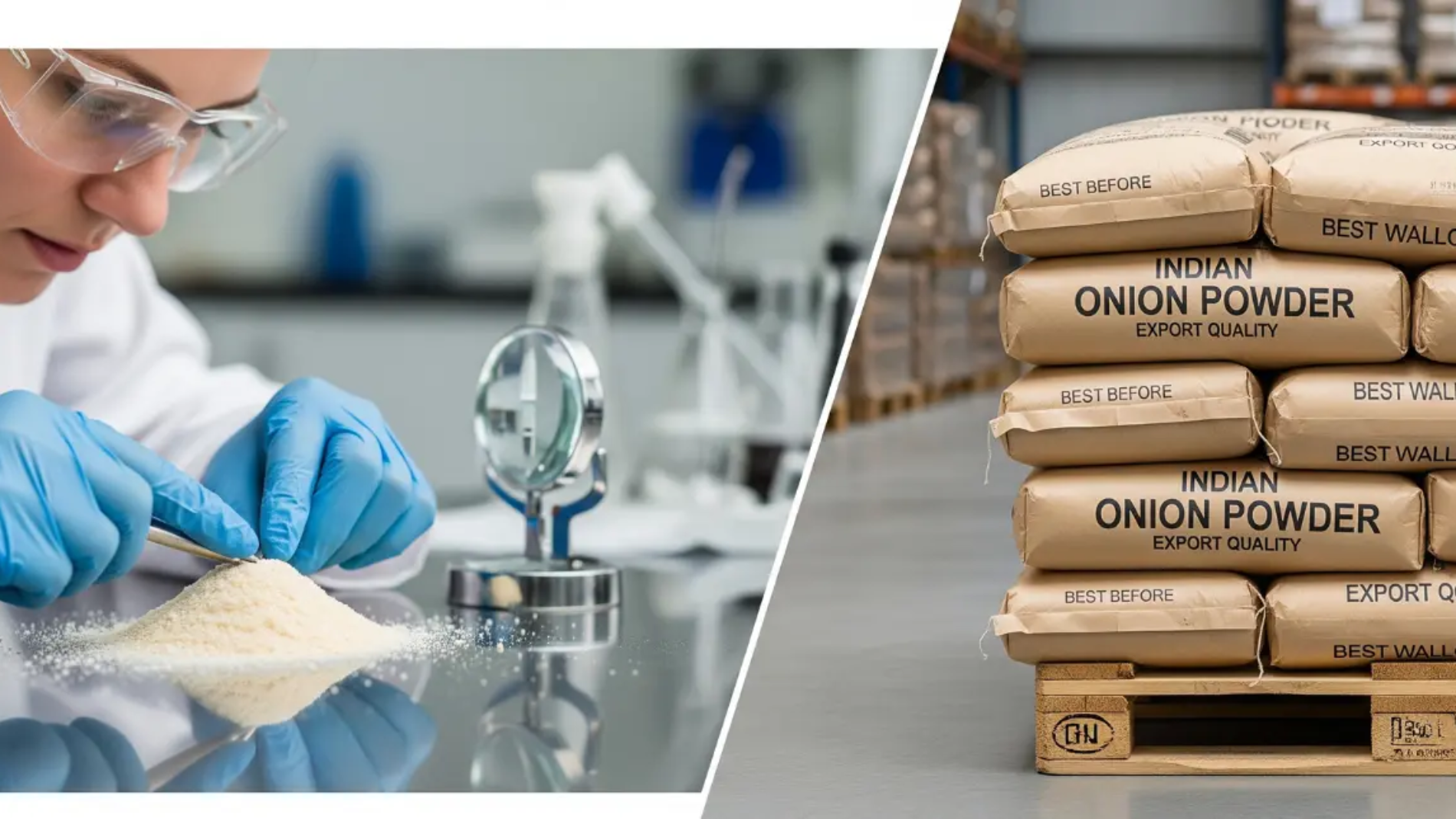
Onion powder is a cornerstone ingredient in the global food industry. From savoury snacks and spice blends to soups, sauces, and marinades, its concentrated flavour provides a convenient and consistent base. For food manufacturers and distributors, buying bulk onion powder is a routine part of operations. However, this seemingly simple purchase is fraught with potential pitfalls that can impact your product quality, budget, and brand reputation.

Focusing solely on the upfront cost can lead to significant downstream problems. To ensure you source consistent, quality onion powder every time, it’s crucial to avoid these five critical mistakes.

Mistake 1: Focusing Only on Price and Ignoring the Specification Sheet

The most common error buyers make is choosing a supplier based on the lowest onion powder price alone. While budget is important, the technical specifications are what determine if the powder is suitable for your application. Ignoring the spec sheet is a recipe for disaster.

The Impact: You might receive a product that is too coarse for your soup mix, has a brownish colour that ruins the look of your white sauce, or lacks the pungent flavour your customers expect.

How to Avoid It: Always demand and carefully review the product specification sheet before purchase. Pay close attention to:

  • Mesh Size: This indicates the particle size or granulation. A fine powder (e.g., 100-120 mesh) is different from a granulated one (e.g., 40-60 mesh).

  • Colour: Is it creamy white, off-white, or toasted? Ensure it matches your product’s requirements.

  • Moisture Content: This is vital for shelf life. High moisture (above 6-7%) leads to caking and spoilage.

  • Purity: The spec sheet should confirm it is 100% dehydrated onion with no fillers or undeclared anti-caking agents.

Mistake 2: Failing to Vet the Supplier's Reputation and Origin

In the global market, not all suppliers are created equal. Assuming any quality onion powder supplier can provide consistent quality is a risky gamble. The country of origin also plays a significant role in the flavour profile of the final product.

The Impact: You could face inconsistent batches, unreliable delivery schedules, or even receive an adulterated product from a dubious supplier.

How to Avoid It: Do your due diligence. Research your potential supplier. Look for a professional website, client testimonials, and industry experience. Ask about the origin of their onions. For example, quality indian onion powder is often sought after for its characteristic pungency, derived from the specific onion varieties grown in the region. A reputable supplier is a partner who invests in quality control.

Mistake 3: Skipping the Pre-Purchase Sample Evaluation

Placing a large bulk order without first testing a sample is like buying a car without a test drive. Product photos and descriptions can be misleading. A physical sample is the only true way to gauge quality.

The Impact: The bulk shipment arrives and is nothing like you expected in terms of taste, aroma, or texture. You are now stuck with unusable inventory and a significant financial loss.

How to Avoid It: Always request a pre-shipment sample. When it arrives, evaluate it rigorously:

  • Visual Check: Does the colour match the specs? Is it uniform?

  • Aroma Test: Does it have a strong, clean onion aroma?

  • Taste Test: Does it deliver the expected pungent and savoury flavour?

  • Texture Test: Is it free-flowing, or are there hard clumps indicating moisture problems?

Mistake 4: Disregarding Food Safety Certifications

In the food industry, safety is non-negotiable. Assuming a supplier follows best practices without asking for proof is a major liability.

The Impact: You could unknowingly introduce contaminated ingredients into your production line, leading to product recalls, legal action, and irreparable damage to your brand. For importers, a lack of proper documentation can mean the shipment is rejected at the port.

How to Avoid It: Insist on seeing food safety certifications. A professional quality onion powder supplier will readily provide documentation like ISO 22000, HACCP, or FSSC 22000. Furthermore, ask for a Certificate of Analysis (COA) for each batch to verify it is free from harmful microbiological contaminants and meets all safety standards.

Spice Up Your Business with Authentic Indian Flavors

Import and Export Excellence from India!

Mistake 5: Overlooking Packaging and Logistics Details

The quality of onion powder is heavily influenced by how it’s handled after production. Improper packaging and poor logistics can ruin a perfect product before it ever reaches your facility.

The Impact: Your shipment arrives with caked, unusable powder due to moisture exposure, or you face unexpected delays and costs due to customs issues.

How to Avoid It: Discuss packaging in detail. The industry standard for bulk onion powder is multi-wall paper bags with a sealed inner food-grade poly-liner to act as a moisture barrier. Clarify shipping terms (Incoterms), estimated lead times, and ensure the supplier can provide all necessary documentation for smooth customs clearance in your country.

By avoiding these five mistakes, you transform the procurement process from a gamble into a strategic business decision. Investing time in due diligence ensures you secure a high-quality ingredient that enhances your products and protects your bottom line.

Frequently Asked Questions (FAQs)

1. Why does onion powder clump or cake, and how can it be prevented? Quality Onion powder is hygroscopic, meaning it readily absorbs moisture from the air. Caking is caused by high moisture content. Sourcing powder with a low moisture level (under 7%) and ensuring it is packed in moisture-proof bags is the best prevention.

2. What is the difference between white onion powder and toasted onion powder? White quality onion powder is made from dehydrated white onions and has a sharp, pungent flavour. Toasted onion powder has been heated, giving it a deeper, sweeter, and more roasted flavour profile with a darker colour. The right choice depends on the desired flavour in the final product.

3. What does the “mesh size” of quality onion powder mean? Mesh size refers to the particle size, indicating how fine or coarse the powder is. A higher mesh number (e.g., 120 mesh) means a finer powder, while a lower number (e.g., 40 mesh) indicates a coarser, more granulated texture.

4. Is Indian quality Onion Powder known for good quality? Yes, India is a major producer and exporter of dehydrated onion products. indian onion powder is often valued for its strong pungency and flavour, which comes from the specific varieties of onions grown in the country.

5. What is a Certificate of Analysis (COA) and why do I need it? A COA is a lab report that verifies the product meets all its specifications. For onion powder, it will confirm details like moisture content, microbiological safety (e.g., E. coli, Salmonella), and purity, giving you documented proof of quality.

6. Are anti-caking agents always bad in quality onion powder? Not necessarily. Food-grade anti-caking agents like silicon dioxide are often added in very small amounts (~1-2%) to ensure the powder remains free-flowing. A quality supplier will always declare its use on the specification sheet. The key is transparency.

7. How much does a lower-quality onion powder really affect the final product? The effect is significant. A lower-quality powder can result in a weak or “off” flavour, poor texture, unwanted colour changes, and a shorter shelf life for your finished product, ultimately disappointing your customers.

8. What are some common onion powder uses in the food industry? It’s incredibly versatile. Common onion powder include seasoning for snacks (chips, crackers), a flavour base for soups and stews, an ingredient in sauces and dressings, and a key component in dry rubs and marinades for meat and poultry.

Turmeric Powder from india

Why High-Curcumin Turmeric Powder from India is a Must for the Nutraceutical Industry

The nutraceutical industry is driven by the increasing consumer demand for natural products that offer tangible health benefits. Among the vast array of botanical ingredients, turmeric powder from India, particularly its high-curcumin variant, stands out as a cornerstone. Its potent therapeutic properties, primarily attributed to the bioactive compound curcumin, make it an indispensable ingredient for manufacturers aiming to create effective and sought-after nutraceutical formulations.

For businesses in the nutraceutical sector, sourcing premium quality turmeric powder from India with a high curcumin content is not just a preference; it’s a necessity for product efficacy, market differentiation, and consumer trust. This article delves into the reasons why this golden spice from India is so crucial for the nutraceutical landscape.

The Powerhouse Compound: Curcumin

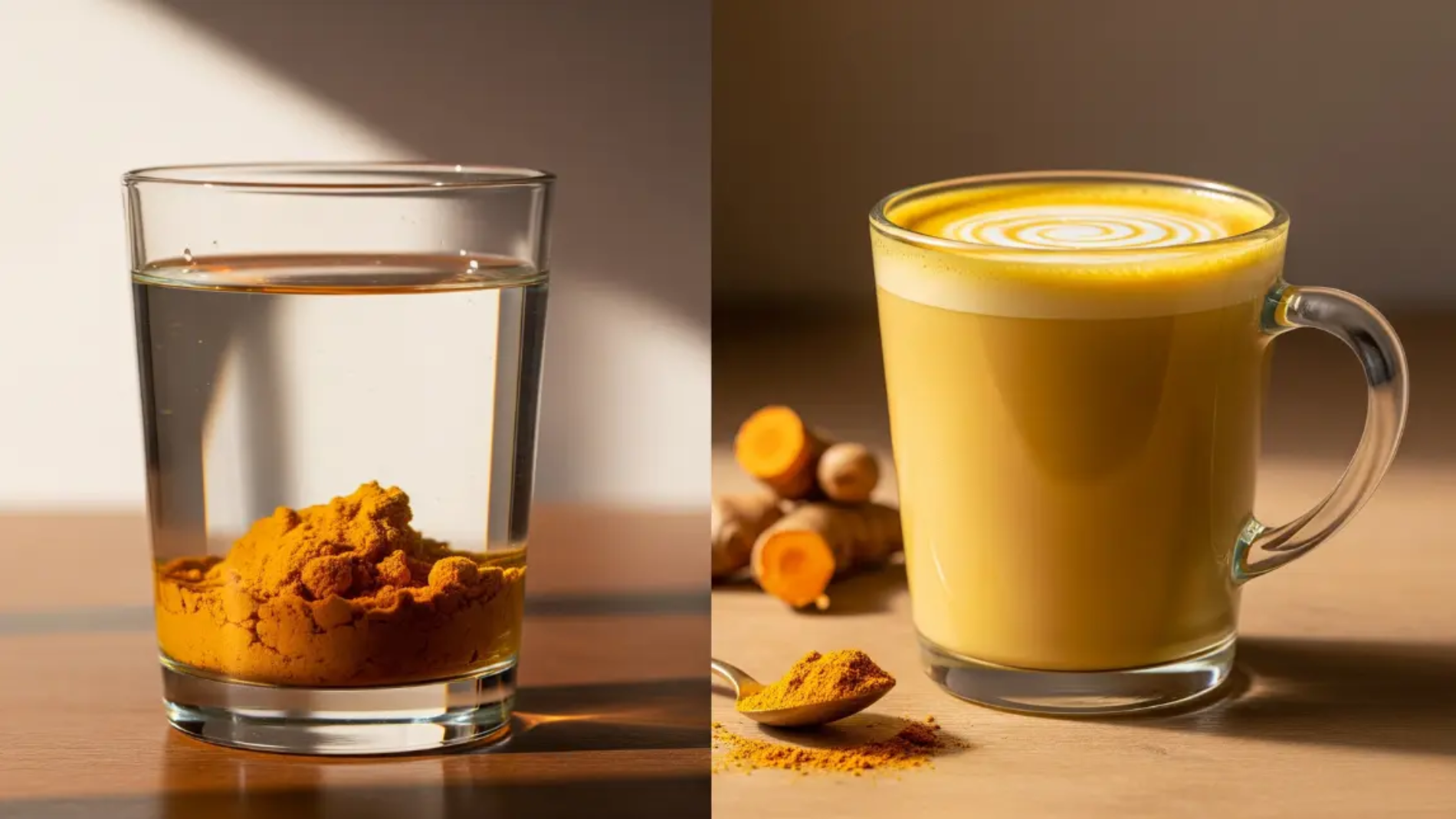
Curcumin, a naturally occurring polyphenol, is the primary active component in turmeric. It is responsible for most of the health benefits associated with turmeric, including its powerful anti-inflammatory, antioxidant, and potential neuroprotective properties. The nutraceutical industry thrives on ingredients with scientifically backed health claims, and numerous studies have highlighted the therapeutic potential of curcumin in managing various health conditions.

Therefore, when sourcing turmeric powder, nutraceutical companies prioritize the curcumin content. Higher curcumin levels translate to greater efficacy per dose, allowing for more potent and appealing product formulations. Turmeric exporters in India who focus on cultivating and processing varieties rich in curcumin are highly valued by this industry.

Why India for High-Curcumin Turmeric?

India has been the heartland of turmeric cultivation for centuries, boasting a rich biodiversity and traditional farming practices that often result in superior quality. Certain regions in India, like those producing Alleppey turmeric, are particularly renowned for their high curcumin content, often exceeding 3% and sometimes reaching upwards of 5% or more.

The expertise of Indian turmeric powder producers, combined with favorable climatic conditions, ensures a consistent supply of high-curcumin turmeric. Nutraceutical manufacturers rely on this consistency and quality assurance, making India the go-to source for their key ingredient.

Spice Up Your Business with Authentic Indian Flavors

Import and Export Excellence from India!

Key Benefits for the Nutraceutical Industry

The inclusion of high-curcumin turmeric powder from India offers several key advantages for nutraceutical companies:

  • Enhanced Efficacy: Higher curcumin content means that smaller quantities of the powder can deliver significant therapeutic effects, leading to more potent and cost-effective formulations.

  • Stronger Health Claims: Products formulated with high-curcumin turmeric can leverage the extensive scientific research supporting curcumin’s health benefits, allowing for stronger and more credible product claims.

  • Consumer Appeal: Consumers are increasingly educated about the benefits of curcumin and actively seek out supplements with guaranteed high levels of this compound. Using premium turmeric powder from India with documented high curcumin content caters directly to this demand.

  • Natural and Clean Label: Turmeric is a natural ingredient, aligning perfectly with the growing trend towards clean-label and plant-based health solutions in the nutraceutical market. Sourcing from India, a land known for its natural agricultural practices, further enhances this appeal.

  • Versatile Applications: High-curcumin Indian banana powder can be incorporated into a wide range of nutraceutical products, including capsules, tablets, powders, and liquid formulations.

Sourcing Considerations for Nutraceutical Companies

While the benefits are clear, sourcing high-curcumin turmeric powder from India requires careful consideration:

  • Curcumin Content Standardization: Nutraceutical companies need suppliers who can guarantee and consistently deliver turmeric powder with a specified curcumin percentage, often verified through rigorous testing.

  • Purity and Safety: The powder must be free from adulterants, heavy metals (like lead), and harmful microbes. Certificates of Analysis (COAs) from accredited third-party laboratories are essential.

  • Traceability: Knowing the origin of the turmeric, from the farm to the processing facility, provides an added layer of quality assurance and aligns with increasing consumer interest in ingredient provenance.

  • Processing Methods: The methods used to process the turmeric can impact curcumin content and overall quality. Low-temperature processing techniques are preferred to preserve the integrity of the bioactive compounds.

  • Supplier Reliability: Choosing a reputable turmeric powder exporter with a proven track record of supplying to the nutraceutical industry is crucial for a consistent and reliable supply chain.

Spice Up Your Business with Authentic Indian Flavors

Import and Export Excellence from India!

The demand for high-quality, natural ingredients in the nutraceutical industry is set to continue its upward trajectory. High-curcumin turmeric powder from India is perfectly positioned to meet this demand, offering a potent and versatile solution for a wide range of health applications. For nutraceutical companies aiming for product excellence and market leadership, sourcing this golden spice from its native land is not just an option—it’s a strategic imperative. Partnering with reliable turmeric exporters who prioritize quality and transparency will be key to unlocking the full potential of this remarkable ingredient.

Frequently Asked Questions (FAQs)

1. What makes turmeric powder from India ideal for nutraceuticals? Turmeric powder from India, particularly varieties like Alleppey turmeric, is renowned for its naturally high concentration of curcumin, the primary bioactive compound responsible for its therapeutic properties.

2. What level of curcumin content should nutraceutical companies look for? Nutraceutical companies typically seek turmeric powder with a curcumin content of 3% or higher, with premium grades often exceeding 5%. This ensures a potent and effective ingredient for their formulations.

3. How can nutraceutical manufacturers verify the curcumin content of turmeric powder? The most reliable method is to request a Certificate of Analysis (COA) from a third-party accredited laboratory. This report will detail the exact percentage of curcuminoids present in the batch.

4. Are there any concerns about lead content in turmeric powder from India? While some instances of adulteration with lead chromate have been reported in the past (mainly for visual appeal in lower-grade turmeric), reputable turmeric exporters serving the nutraceutical industry adhere to stringent quality control measures and provide lab reports confirming the absence of heavy metals.

5. What are the preferred processing methods for turmeric powder used in nutraceuticals? Low-temperature processing techniques like air drying or gentle milling are preferred to preserve the heat-sensitive curcuminoids and ensure maximum potency.

6. Why is traceability important when sourcing turmeric powder for nutraceuticals? Traceability allows nutraceutical companies to track the origin of the turmeric, ensuring it comes from reputable farms and has been processed under stringent quality standards. This builds trust with consumers who are increasingly interested in the source of their ingredients.

7. What certifications should nutraceutical companies look for in a turmeric powder supplier from India? Key certifications include ISO 22000 (for food safety management), GMP (Good Manufacturing Practices), and organic certifications like India Organic or USDA Organic if organic turmeric is required.

8. How does the demand for organic turmeric powder impact the nutraceutical industry? The growing consumer preference for organic products is driving demand for organic turmeric powder from India in the nutraceutical sector. Organic certification ensures that the turmeric has been grown and processed without synthetic pesticides or fertilizers, appealing to health-conscious consumers.

About us

We bridge the gap between local producers and global markets, ensuring seamless trade facilitation with exceptional quality and reliability. We provide quick delivery services with customized packaging with all approval of International Certificates (Spices board India, MSME, IEC, fssai, FIEO, APEDA, EU certification, FDA and Many More)

Contact us

Shop No. 3, Ganesh Prestige Sr. No. 2/15, Near Laxmi Jewellers, Dhanakawadi, Pune – 411043, Maharashtra INDIA.

Call On

+91 9545205050

+91 9822422584

Email

sales@aquaconnectexim.com

aquaconnectexim@gmail.com

jaggery powder

How to Verify the Quality and Purity of Jaggery Powder for Export

In the global food market, authenticity and quality are paramount. For importers and distributors, sourcing jaggery powder from india presents a significant opportunity to cater to the growing demand for natural, healthy sweeteners. However, the success of your venture hinges on one critical factor: the ability to consistently source high-purity, premium-quality products. Not all jaggery powder is created equal, and verifying its quality is essential for maintaining your brand’s reputation, satisfying customers, and ensuring regulatory compliance.

This guide provides a comprehensive framework for buyers to assess and verify the quality of jaggery powder, ensuring that every shipment meets the highest international standards.

Why Quality Verification is Crucial for Jaggery Powder Export

Before diving into the methods, it’s important to understand the stakes. Low-quality or adulterated jaggery powder can lead to customer complaints, failed lab tests at the port of entry, and damage to your business’s credibility. For a successful jaggery powder from india business, focusing on quality ensures a higher market value, customer loyalty, and smoother international trade operations. A premium product stands out in a crowded market, commanding better prices and repeat orders.

The First Step: Visual and Sensory Evaluation

Your senses are the first line of defence in quality assessment. Before committing to a large order, always evaluate a sample of the jaggery powder from india. Here’s what to look for:

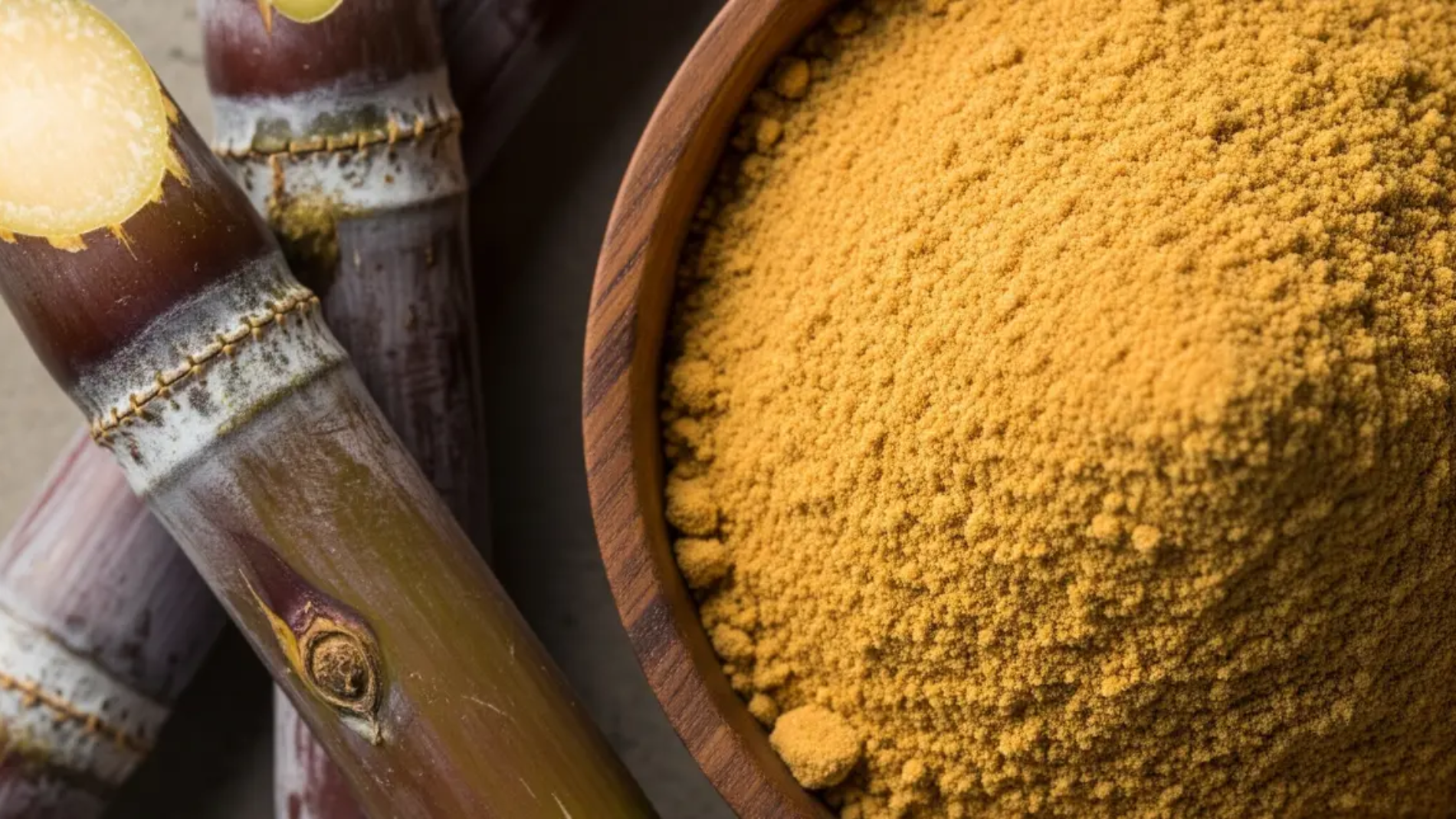
  • Colour: High-quality, chemical-free jaggery powder should have a natural, golden-brown to dark-golden colour. Be cautious of products that are very pale or bright yellow, as this can be a sign of chemical bleaching using agents like Sodium Hydrosulphite, which is used to improve appearance but compromises purity. An overly dark or blackish colour might indicate it’s old or has been overcooked, potentially resulting in a burnt taste.

  • Texture: The ideal texture for export-grade jaggery powder is fine, crystalline, and free-flowing. It should feel dry to the touch. Clumps or a sticky texture are red flags, indicating high moisture content. Excess moisture not only affects the product’s shelf life, leading to spoilage and microbial growth but also adds unnecessary weight to the shipment.

  • Taste and Aroma: Pure jaggery powder has a distinctly sweet, rich, and earthy flavour with notes of caramel and molasses. It should not have a salty or bitter aftertaste, as this often points to the presence of mineral impurities or improper processing. The aroma should be pleasant and natural, reflecting its sugarcane origin.

Spice Up Your Business with Authentic Indian Flavors

Import and Export Excellence from India!

Beyond the Senses: The Importance of Lab Testing

While sensory evaluation is crucial, it doesn’t tell the whole story. For complete assurance, especially for large export consignments, insisting on a Certificate of Analysis (COA) from a reputable third-party laboratory is non-negotiable. Key parameters to check include:

  • Sucrose Content: This determines the sweetness and purity. High-quality jaggery powder typically has a sucrose content of over 80%.

  • Moisture Level: For export, the moisture content should be as low as possible, ideally below 2-3%, to ensure stability and a long shelf life during transit and storage.

  • Absence of Adulterants: The lab report must confirm the absence of common adulterants and chemical bleaching agents like Sodium Hydrosulphite.

  • Microbiological Purity: The analysis should show that the product is free from harmful bacteria, yeast, and mould.

Demystifying 'Organic Jaggery Powder' Certifications

The demand for organic jaggery powder is soaring. However, the term “organic” is more than just a marketing label; it’s a verifiable standard. When sourcing organic products, you must look for valid certifications from the supplier. These certifications guarantee that the sugarcane was grown without synthetic pesticides or chemical fertilizers and that the processing was done without harmful additives.

Key certifications for jaggery powder from india include:

  • India Organic (NPOP)

  • USDA Organic (for export to the USA)

  • EU Organic (for export to the European Union)

Always ask for a copy of these certificates and verify their validity. A trustworthy supplier will provide this documentation without hesitation.

Choosing the Right Partner for Jaggery Powder Export

Ultimately, the easiest way to ensure consistent quality is to partner with a reliable and transparent exporter. A reputable supplier acts as your quality gatekeeper, with robust processes in place right from the farm to the final packaging.

When selecting a partner, consider the following:

  • Traceability: Can they trace the product back to the farm where the sugarcane was grown?

  • Quality Control: What in-house quality checks do they perform before, during, and after processing?

  • Export Experience: Do they have a proven track record of exporting to your country and understand its specific regulations?

  • Documentation: Are they proficient in providing all necessary documentation, from the COA to the required organic certifications?

By focusing on these verification steps—sensory evaluation, lab analysis, certification checks, and choosing the right supplier—you can confidently import Indian jaggery powder that meets your quality standards and delights your customers. This due diligence is the foundation of a profitable and sustainable business in the global sweetener market.

Frequently Asked Questions (FAQs)

1. What is the ideal colour for pure jaggery powder? Pure, unadulterated jaggery powder should have a natural golden-brown colour. A very light or bright yellow hue can indicate chemical bleaching, while an extremely dark colour may suggest it is old or over-processed.

2. How can I test for moisture in jaggery powder without a lab? A simple test is to press a small amount between your fingers. High-quality, low-moisture jaggery powder should feel dry and crystalline. If it feels sticky, damp, or easily forms hard lumps, it likely has high moisture content, which is undesirable for export.

3. What is the most critical chemical to test for when importing jaggery powder? Sodium Hydrosulphite is a critical chemical to test for. It is a bleaching agent used by some producers to give the powder an artificially attractive yellow colour, but it is a harmful additive that compromises the product’s purity and health benefits.

4. Is ‘organic jaggery powder’ from India trustworthy? Yes, it is highly trustworthy, provided it is backed by proper certification. Always verify certifications like India Organic, USDA Organic, or EU Organic to ensure you are sourcing a genuinely organic product.

5. Why is a low moisture level so important for jaggery powder export? A low moisture level (ideally below 3%) is crucial for two reasons. First, it prevents the growth of mould and bacteria, ensuring a longer shelf life. Second, it ensures you are paying for the product, not excess water weight, which is critical for profitability in bulk shipments.

6. What does a salty aftertaste in jaggery powder indicate? A salty aftertaste is usually a sign of impurities. It can be caused by the incomplete removal of mineral salts during the clarification of sugarcane juice, indicating a lower grade of processing.

7. How does a reliable exporter ensure the quality of ‘Indian fresh jaggery powder’? A reliable exporter maintains quality through a multi-step process: sourcing from trusted farms, implementing strict in-house quality checks during production, conducting third-party lab tests, and using superior packaging to protect the product during transit.

8. Can I request a pre-shipment sample for testing? Absolutely. Any reputable exporter will be happy to provide a pre-shipment sample. It is a standard and highly recommended practice for buyers to conduct their own sensory and lab analysis before finalising a large export order.

About us

We bridge the gap between local producers and global markets, ensuring seamless trade facilitation with exceptional quality and reliability. We provide quick delivery services with customized packaging with all approval of International Certificates (Spices board India, MSME, IEC, fssai, FIEO, APEDA, EU certification, FDA and Many More)

Contact us

Shop No. 3, Ganesh Prestige Sr. No. 2/15, Near Laxmi Jewellers, Dhanakawadi, Pune – 411043, Maharashtra INDIA.

Call On

+91 9545205050

+91 9822422584

Email

sales@aquaconnectexim.com

aquaconnectexim@gmail.com

green tea powder

What Really Happens When You Drink Green Tea Every Day?

In the world of wellness, daily rituals form the bedrock of long-term health. From a morning glass of water to a nightly meditation, these small, consistent actions compound over time. Among these rituals, the daily consumption of green tea stands out as one of the most celebrated. But what really happens to your body and mind when you make this ancient beverage a non-negotiable part of your day?

The answer is a cascade of subtle yet powerful transformations. Adopting a daily green tea habit, especially using a high-quality green tea powder, can be one of the simplest and most effective upgrades to your health regimen. Let’s explore the science-backed changes you can expect.

A Daily Surge of Antioxidant Protection

Perhaps the most famous benefit of green tea is its incredible antioxidant profile. Every day, your body is under assault from free radicals—unstable molecules that cause cellular damage and accelerate aging. Green tea is rich in polyphenols, particularly a potent catechin called Epigallocatechin gallate (EGCG).

When you drink green tea daily, you provide your body with a consistent supply of these antioxidant warriors. They patrol your system, neutralizing free radicals and reducing oxidative stress. This daily defense mechanism helps protect your cells, support healthy aging, and lower the risk of various chronic diseases.

Enhanced Brain Function and Calm Alertness

Do you rely on coffee for focus but dislike the subsequent crash and jitters? A daily cup of green tea offers a superior alternative. It contains two key ingredients that work in beautiful synergy: caffeine and L-theanine.

While the caffeine provides a gentle lift in energy and alertness, the L-theanine—an amino acid—promotes a state of relaxation without drowsiness. This unique combination fosters what is often described as “calm alertness.” Daily consumption can lead to improved memory, better focus, and a more stable mood throughout your workday, making you more productive and less stressed.

Spice Up Your Business with Authentic Indian Flavors

Import and Export Excellence from India!

Supporting Your Metabolic Health

For those focused on weight management, a daily green tea ritual can be a powerful ally. Studies have shown that the compounds in green tea, particularly EGCG, can give your metabolism a gentle but noticeable boost.

This process, known as thermogenesis, means your body becomes more efficient at burning calories for energy. Furthermore, green tea can help improve insulin sensitivity and regulate blood sugar levels. Over time, this consistent metabolic support can contribute to healthy weight management and improved body composition when combined with a balanced diet and exercise.

The Quality Factor: Why Your Source Matters

To unlock these profound benefits, the quality of your tea is paramount. The concentration of EGCG and L-theanine can vary dramatically based on where and how the tea is grown and processed. This is where sourcing becomes critical, a factor well-understood in the green tea powder export market.

High-quality green tea powder from India is cultivated in ideal conditions and processed meticulously to preserve its potent bioactive compounds. Unlike tea bags, which may contain lower-grade “dust and fannings,” a pure green tea powder uses the entire leaf. This ensures you receive a full-spectrum, concentrated dose of every nutrient, maximizing the health impact of your daily ritual. When choosing your tea, look for a vibrant green colour and a fine texture, signs of a premium product worthy of international export standards.

A Pathway to a Healthier Heart

A happy heart is central to a long life, and daily green tea consumption is a heart-smart choice. Research indicates that it can positively influence several risk factors for cardiovascular disease. Regularly drinking green tea has been shown to help lower levels of total and “bad” LDL cholesterol while protecting LDL particles from oxidation—a key step in the development of heart disease. It also supports healthy blood pressure levels, promoting overall cardiovascular wellness.

Spice Up Your Business with Authentic Indian Flavors

Import and Export Excellence from India!

A Pathway to a Healthier Heart

Making green tea a part of your daily life isn’t a magic bullet, but it is a science-backed, sustainable ritual for profound, long-term wellness. From fortifying your cells with antioxidants and sharpening your mind to supporting your metabolism and protecting your heart, the cumulative effects are undeniable.

By choosing a high-potency, pure green tea powder, you ensure that every single cup delivers the maximum benefit. This simple, daily act is an investment in your future self—a commitment to a healthier, more vibrant life, one sip at a time.

Frequently Asked Questions (FAQs)

1. How much green tea should I drink daily to see benefits?

Most studies suggest that 2-3 cups per day is an effective and safe amount to reap the majority of health benefits without consuming excessive caffeine.

2. Is green tea powder better than traditional tea bags?

Yes, often it is. Green tea powder is made from the entire tea leaf, providing a more concentrated source of antioxidants like EGCG and other nutrients. Tea bags often contain smaller, broken leaf pieces that can be less potent.

3. Can I drink green tea on an empty stomach?

Some people may experience mild stomach discomfort when drinking green tea on an empty stomach due to its tannin content. It’s generally best to consume it between meals or after a small snack.

4. Why is green tea powder from India a good choice?

India has diverse agro-climatic zones perfect for cultivating high-quality tea. Producers of green tea powder from India often adhere to stringent quality controls for both domestic consumption and the global green tea powder export market, ensuring a pure and potent product.

5. Will drinking green tea every day guarantee weight loss?

While green tea can boost metabolism and support fat burning, it is not a standalone solution for weight loss. It is most effective when used as part of a healthy lifestyle that includes a balanced diet and regular exercise.

6. When is the best time of day to drink green tea?

The best time is often in the morning or early afternoon. Its caffeine content can provide a gentle energy boost for the day. Avoid drinking it too close to bedtime, as it may interfere with sleep for some individuals.

7. How long does it take to notice the benefits of drinking green tea daily?

Some benefits, like improved focus and calm energy, can be felt shortly after consumption. Systemic benefits, such as improved skin health or metabolic support, may take several weeks or months of consistent daily intake to become noticeable.

8. Does daily green tea have any negative side effects?

For most people, green tea is very safe. However, excessive consumption can lead to side effects from caffeine, such as restlessness or an upset stomach. It can also slightly reduce the absorption of iron from plant-based foods. Moderation is key.

About us

We bridge the gap between local producers and global markets, ensuring seamless trade facilitation with exceptional quality and reliability. We provide quick delivery services with customized packaging with all approval of International Certificates (Spices board India, MSME, IEC, fssai, FIEO, APEDA, EU certification, FDA and Many More)

Contact us

Shop No. 3, Ganesh Prestige Sr. No. 2/15, Near Laxmi Jewellers, Dhanakawadi, Pune – 411043, Maharashtra INDIA.

Call On

+91 9545205050

+91 9822422584

Email

sales@aquaconnectexim.com

aquaconnectexim@gmail.com

black tea powder

Understanding Quality: Key Specifications for Premium Black Tea Powder

In the global food and beverage market, consistency is king. For businesses that rely on ingredients like black tea powder, the difference between a premium product and a subpar one can significantly impact everything from final product taste to brand reputation. Not all powders are created equal, and for importers and manufacturers, understanding the technical specifications is not just about quality—it’s about profitability.

When you source black tea powder, you’re sourcing the heart of your product’s flavour profile. Whether it’s for an instant tea premix, a baked good, a health supplement, or a ready-to-drink (RTD) beverage, the quality of your powder dictates the quality of your output. This guide delves into the key specifications you must scrutinize to ensure you are sourcing only premium-grade black tea powder for your business needs.

Why Quality Specifications Matter in Bulk Black Tea Powder Export

For any business involved in bulk black tea powder export or import, overlooking specifications can lead to costly problems. An inconsistent batch can alter the taste of thousands of units, while poor solubility can result in a gritty, unpleasant consumer experience.

By focusing on clear, measurable quality parameters, you can:

  • Guarantee Product Consistency: Ensure every batch of your product tastes and performs the same.

  • Enhance Customer Satisfaction: Deliver a superior sensory experience that builds brand loyalty.

  • Optimize Production Processes: Use powder that behaves predictably in your manufacturing environment.

  • Secure a Reliable Supply Chain: Partner with suppliers who understand and can deliver on technical requirements.

Spice Up Your Business with Authentic Indian Flavors

Import and Export Excellence from India!

The Core Four: Key Specifications for Premium Black Tea Powder

When evaluating a potential supply of black tea powder, focus on these four fundamental characteristics.

1. Particle Size & Fineness (Mesh Size)

The fineness of the powder is one of the most critical factors, as it directly influences its application. It is measured in ‘mesh size’ – the higher the mesh number, the finer the powder.

  • For Instant Beverages (Premixes, RTDs): A very fine powder (e.g., 100-200 mesh) is essential. It ensures the powder dissolves quickly and completely, leaving no sediment.
  • For Baking & Confectionery: A slightly coarser grind might be acceptable, as it blends well with other dry ingredients like flour and sugar.
  • For Seasonings & Marinades: A medium grind often works best to ensure even distribution without dissolving instantly.

A reliable supplier will be able to provide powder of a consistent mesh size tailored to your specific application.

2. Solubility and Dispersibility

Solubility determines how well the powder dissolves in a liquid. This is non-negotiable for any beverage application. There are two main types:

  • Cold Water Soluble (CWS): This is a premium characteristic, essential for iced tea mixes and other cold beverages. It requires a more advanced manufacturing process to achieve.
  • Hot Water Soluble (HWS): Standard for most black tea powders, suitable for hot tea premixes and other applications where the powder will be mixed with hot liquids.

Always test a sample in the conditions it will be used in. A premium powder should dissolve quickly without forming clumps or leaving a gritty residue at the bottom of the cup.

3. Colour and Appearance

The visual appeal of your final product starts with the raw ingredients. Premium black tea powder should have a deep, rich, reddish-brown hue. This indicates that it was processed from high-quality tea leaves and properly oxidized.

Be wary of powders that appear dull, greyish, or overly dark. These can be signs of old leaves, improper processing, or the use of lower-grade raw materials. The resulting liquor should also have a bright, appealing colour, not a murky or cloudy appearance.

4. Aroma and Flavour Profile

Ultimately, the taste is what matters most. A high-quality black tea powder should possess a brisk, clean, and authentic black tea aroma. When tasted, it should deliver a full-bodied flavour profile characteristic of its origin, free from any chemical, smoky, or stale off-notes. The flavour should be robust enough to stand out even when mixed with other ingredients like milk, sugar, or spices.

Spice Up Your Business with Authentic Indian Flavors

Import and Export Excellence from India!

Beyond the Basics: Purity and Chemical Parameters

For true quality assurance, especially in bulk black tea powder export, a Certificate of Analysis (COA) is essential. Look for these parameters:

  • Moisture Content: This should be low (typically under 5%) to prevent microbial growth and ensure a long, stable shelf life. High moisture content can lead to clumping and spoilage.

  • Ash Content: Total ash content indicates the amount of mineral residue. A low ash value signifies a purer product with less extraneous matter.

  • Theaflavin & Thearubigin Content: These polyphenols are responsible for the brightness, briskness, and rich colour of black tea. Higher, balanced levels are indicative of a superior quality tea.

The AquaConnect Exim Quality Promise

At AquaConnect Exim, we understand that our clients’ success depends on the quality of our ingredients. We pride ourselves on being a trusted partner in the bulk black tea powder export market. Our products are sourced from prime tea-growing regions and are rigorously tested to meet every key specification, from fineness and solubility to flavour and purity. We provide detailed product specifications and Certificates of Analysis with our shipments, ensuring you receive a consistent, premium product every single time.

Partner with us to source black tea powder that elevates your products and builds your brand.

Frequently Asked Questions (FAQs)

1. What is the difference between CTC and Orthodox black tea powder? CTC (Crush, Tear, Curl) powder generally produces a stronger, darker liquor and is common in instant tea mixes. Orthodox powder is made from a more traditional process, often resulting in more nuanced and complex flavour profiles suitable for specialty applications.

2. How does moisture content affect the shelf life of black tea powder? A lower moisture content (below 5%) is crucial as it inhibits the growth of mould and bacteria, preserving the powder’s freshness, aroma, and flavour for a longer period and preventing clumping.

3. Is your black tea powder suitable for iced tea mixes? Yes, we offer premium Cold Water Soluble (CWS) black tea powder specifically designed for instant iced tea mixes and other RTD beverages, ensuring complete dissolution and a clear, smooth final product.

4. What is a standard mesh size for black tea powder used in baking? For baking applications like cakes and cookies, a mesh size of around 80-100 is typically ideal. It is fine enough to blend seamlessly with other dry ingredients without compromising the texture of the final product.

5. Do you provide a Certificate of Analysis (COA) with bulk orders? Absolutely. Every bulk shipment is accompanied by a comprehensive COA detailing all key quality parameters, including moisture content, ash value, and particle size, to guarantee transparency and quality.

6. What is the minimum order quantity (MOQ) for bulk black tea powder export? Our MOQ varies depending on the product grade and destination. Please contact our sales team directly for a customized quote and to discuss your specific volume requirements.

7. How is the black tea powder packaged to maintain freshness during shipping? We use industry-standard, food-grade packaging, including multi-layer poly-lined paper sacks or cartons. This protects the powder from moisture, light, and contaminants, ensuring it arrives in perfect condition.

8. Can you provide samples before I place a large order? Yes, we encourage potential clients to request samples. We believe in our product’s quality and are confident that it will meet your high standards. Contact us to arrange for a sample shipment.

About us

We bridge the gap between local producers and global markets, ensuring seamless trade facilitation with exceptional quality and reliability. We provide quick delivery services with customized packaging with all approval of International Certificates (Spices board India, MSME, IEC, fssai, FIEO, APEDA, EU certification, FDA and Many More)

Contact us

Shop No. 3, Ganesh Prestige Sr. No. 2/15, Near Laxmi Jewellers, Dhanakawadi, Pune – 411043, Maharashtra INDIA.

Call On

+91 9545205050

+91 9822422584

Email

sales@aquaconnectexim.com

aquaconnectexim@gmail.com

banana powder

Boost Your Health Naturally with the Power of Banana Powder

Reveal the Superfood in Plain Sight

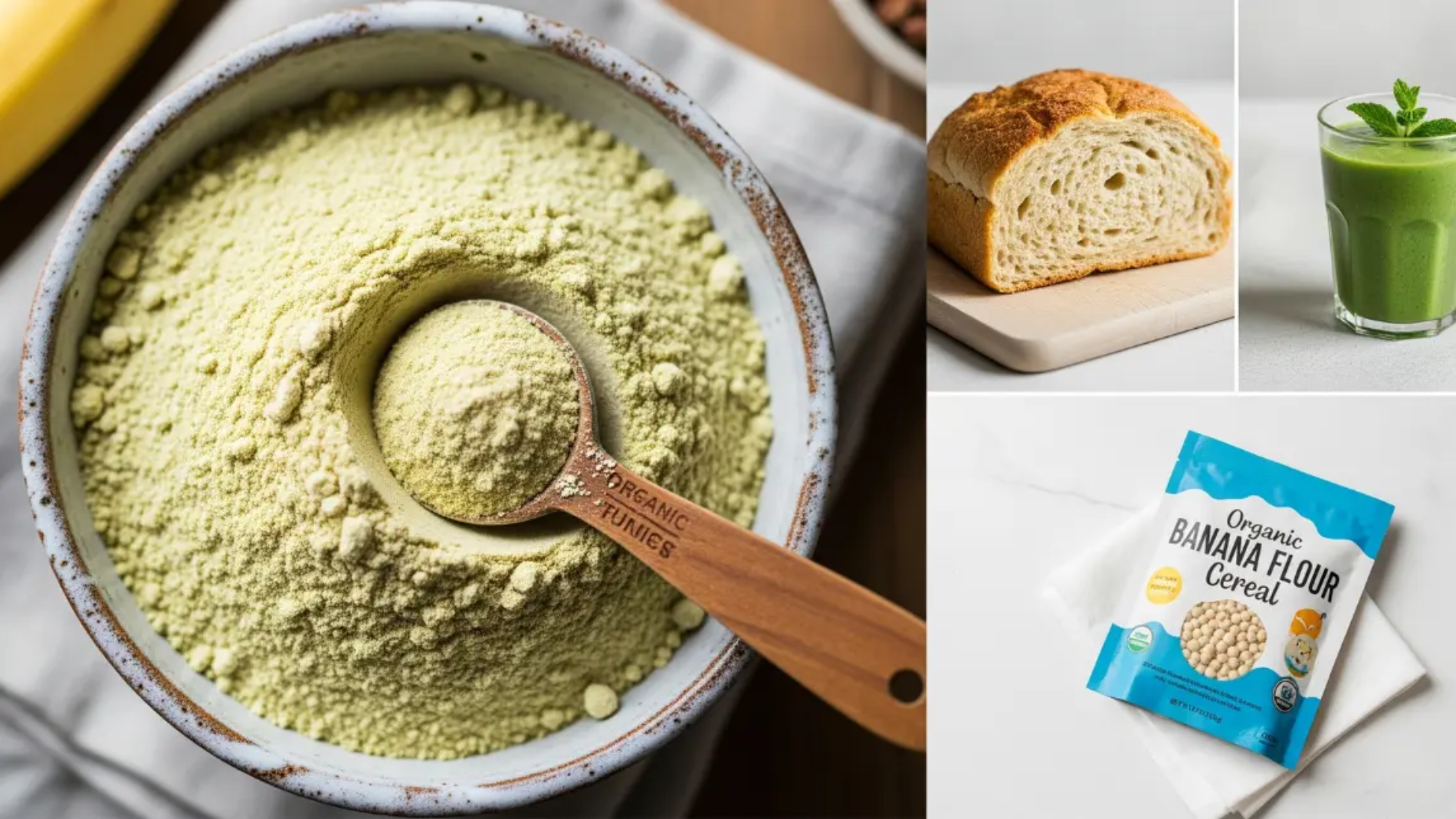
Along with looking for healthier circumstances comes the potential to miss out on the obvious, natural alternative. Among those is banana powder—a rich, multi-faceted ingredient that consists of dehydrated bananas. Packed with additional vitamins, minerals, and fiber, banana powder brings an easy way to supplement your diet and general well-being.

Revealing the Nutrition Powerhouse

Rich in Essential Nutrients

It has the goodness of fresh bananas intact, such as:

Potassium: Essential for heart health and blood pressure management.

Magnesium: Maintains muscle and nerve function.

Vitamin B6: Assists with metabolism and brain function.

Fiber: Maintains digestive health and satiety.

Spice Up Your Business with Authentic Indian Flavors

Import and Export Excellence from India!

Maintains Digestive Health

It’s high content of fiber maintains digestion and promotes bowel regularity and prevents constipation.

Natural Energy Boost

Owing to its natural sugar and carbohydrates, it gives a quick energy boost that is a perfect pre-workout booster.

Embracing the Benefits of Powdered Banana

Consider adding one food component to your diet that provides many health benefits:

Weight Control

Resistant starch in it induces a sensation of fullness that limits overall calorie consumption and supports weight control.

Heart Health

Potassium-enriched banana powder assists in the maintenance of healthy blood pressure levels and supports cardiovascular well-being.

Improved Mood and Mental Well-being

Banana powder is rich in tryptophan, an amino acid that the body can convert into serotonin, the “feel-good” neurotransmitter, which can improve mood and decrease stress.

Spice Up Your Business with Authentic Indian Flavors

Import and Export Excellence from India!

Add Powdered Banana to Your Diet

Ready to get the benefits? Here’s how to simply add powdered banana to your routine:

Smoothies and Shakes

Add a tablespoon to your favorite protein shake or smoothie for a nutritional boost.

Baking

Add powdered banana to muffins, pancakes, or bread to give a flavor and nutrition boost.

Cooking

You can use it as a natural sweetener by mixing it into oatmeal or as a thickening agent in soups and sauces.

Infant Nutrition

The banana powder is stomach-friendly and therefore great for baby food recipes.

Frequently Asked Question (FAQ)

  1. What is banana powder made from?

It is made from dehydrated and ground bananas. It retains most of the nutrients found in fresh bananas, making it a convenient and concentrated source of potassium, fiber, and other essential vitamins.

  1. Is banana powder healthy?

Yes, It is a nutritious supplement. It’s rich in potassium, magnesium, fiber, and vitamin B6, supporting digestion, energy levels, and heart health.

  1. Can banana powder help in weight loss?

Yes, due to its high fiber content, It promotes a feeling of fullness, which can reduce overeating and support healthy weight management.

  1. Is banana powder suitable for babies?

Yes, It is often used in infant nutrition. It’s easy to digest, naturally sweet, and rich in nutrients—but always consult a pediatrician before introducing new foods.

About us

We bridge the gap between local producers and global markets, ensuring seamless trade facilitation with exceptional quality and reliability. We provide quick delivery services with customized packaging with all approval of International Certificates (Spices board India, MSME, IEC, fssai, FIEO, APEDA, EU certification, FDA and Many More)

Contact us

Shop No. 3, Ganesh Prestige Sr. No. 2/15, Near Laxmi Jewellers, Dhanakawadi, Pune – 411043, Maharashtra INDIA.

Call On

+91 9545205050

+91 9822422584

Email

sales@aquaconnectexim.com

aquaconnectexim@gmail.com

organic jaggery powder

Why Top Chefs Choose Our Organic Jaggery Powder – Taste the Difference!

The Hidden Ingredient in Every Gourmet Kitchen

Organic jaggery powder is fast becoming the ingredient of choice in gourmet kitchens worldwide. In the pursuit of culinary perfection, where every detail matters, top chefs are prioritizing authenticity, nutritional value, and consistency over processed sugars—making this natural sweetener their go-to alternative.

But not just any jaggery will do. The choice of professionals is our Premium Organic Jaggery Powder, sourced sustainably and processed without chemicals. If you’re passionate about food—whether you’re a chef, a home cook, or a health-conscious eater—this golden, nutrient-rich sweetener is about to become your new favorite.

What Makes Our Organic Jaggery Powder Stand Out?

Unlike mass-produced sweeteners, our organic jaggery powder is produced in old-fashioned, time-tested methods. Here’s how it’s different:

100% Organic – No pesticides, additives, or bleaching.

Naturally Processed – Processed from good-quality sugarcane juice without refining.

Nutrient Dense – Rich in essential minerals like iron, calcium, magnesium, and potassium.

Full-Bodied Taste – Sweet, caramel-like flavor that balances instead of overpowering food.

Ethically Sourced – Hand-harvested by local farmers using sustainable methods.

These special characteristics make our jaggery powder the top priority for chefs who demand taste and integrity in each bite.

Spice Up Your Business with Authentic Indian Flavors

Import and Export Excellence from India!

Why Chefs (and Foodies) Are Switching

Still curious as to why the culinary experts are addicted to our organic jaggery powder?

Better for Health

Fine dining chefs enjoy the trend of healthy eating. Our jaggery powder provides a low-glycemic substitute for white sugar, leveling energy without spiking blood sugar. It’s a healthier means of sweetening anything from drinks to baked goods.

Flexible in the Kitchen

From spiced chai and golden lattes to baked goods, marinades, and chutneys, our organic jaggery powder takes traditional and contemporary recipes to the next level. Its granular texture has an easy dissolving ability, which makes it well suited for dry rubs, syrups, and sauces.

Enhances Flavor Profiles

Master chefs do not merely cook, they build layers of flavor. Our jaggery powder provides deep, earthy sweetness that dissolves into rich layers of flavor. Use it to create Indian mithai, fusion pastries, or gourmet sauces and you get depth you simply cannot achieve with refined sugar.

Supports Sustainable Cooking

Today’s diners want to know where their food comes from—and so do chefs. Our jaggery powder is made in collaboration with smallholder farmers, employing water-conserving and environmentally friendly practices. By using it, chefs are supporting sustainable agriculture and fair trade.

Spice Up Your Business with Authentic Indian Flavors

Import and Export Excellence from India!

Ready to Taste the Difference?

If our organic jaggery powder is what top chefs are counting on to impress their pickiest eaters, isn’t it time you discovered the hype?

Order your first pack of our Premium Organic Jaggery Powder today and experience gourmet-level flavor for your kitchen. Whether you’re baking, blending, or balancing flavors in a recipe, our jaggery powder is your kitchen companion.

Visit AquaConnectExim.com to learn more and explore bulk buying options for cafes, restaurants, and wellness brands.

About us

We bridge the gap between local producers and global markets, ensuring seamless trade facilitation with exceptional quality and reliability. We provide quick delivery services with customized packaging with all approval of International Certificates (Spices board India, MSME, IEC, fssai, FIEO, APEDA, EU certification, FDA and Many More)

Contact us

Shop No. 3, Ganesh Prestige Sr. No. 2/15, Near Laxmi Jewellers, Dhanakawadi, Pune – 411043, Maharashtra INDIA.

Call On

+91 9545205050

+91 9822422584

Email

sales@aquaconnectexim.com

aquaconnectexim@gmail.com