
White Onion Kibbled

Why White Onion Kibbled is a Pantry Staple for Manufacturers

In the fast-paced world of food manufacturing, success hinges on efficiency, consistency, and the quality of your ingredients. Brands are constantly searching for components that not only deliver exceptional flavour but also streamline operations and improve the bottom line. While fresh produce has its place, the logistical challenges of spoilage, prep time, and inconsistency make it a liability in large-scale production. This is where an unsung hero of the industrial pantry comes in: White Onion Kibbled.

This versatile food ingredient is far more than just a convenient substitute for fresh onions; it’s a superior choice for a vast range of applications. As a leading onion supplier in India, a country renowned for its pungent onions, we’ve seen firsthand how manufacturers leverage this product to create superior, cost-effective goods. Here’s why kibbled onions have earned their status as an essential manufacturing staple.

1. Unmatched Shelf Life and Product Stability

The single greatest challenge with fresh onions is their short shelf life. Spoilage, rot, and the need for refrigerated storage create significant logistical costs and product waste. White Onion Kibbled completely eliminates this problem.

The dehydration process removes the water content—the primary cause of decay—creating a shelf-stable product that can be stored in ambient conditions for 18-24 months without any loss of quality. This incredible stability means:

  • Reduced product waste.

  • Lower storage costs (no refrigeration needed).

  • The ability to procure in larger quantities, securing supply and price.

2. The Power of Pungency and Consistent Flavor

A brand’s reputation is built on consistency. A consumer expects their favourite soup or seasoning blend to taste the same every single time. This is nearly impossible to achieve with fresh onions, which vary wildly in size, pungency, and sugar content depending on the season and variety.

Dehydrated white onion, on the other hand, provides a standardized flavour profile. The dehydration process concentrates the onion’s natural solids, delivering a potent and reliable pungency. Manufacturers can formulate their recipes with confidence, knowing that the onion flavour will be the same in batch one as it is in batch one thousand.

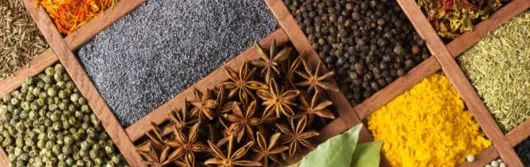
Spice Up Your Business with Authentic Indian Flavors

Import and Export Excellence from India!
3. Desirable Texture and Visual Appeal

This is where the “kibbled” format truly shines. Unlike a fine powder, White Onion Kibbled consists of small, irregular pieces (typically 3-5mm). When used in wet applications like stews, canned goods, sausages, or sauces, these pieces rehydrate, swelling to resemble freshly chopped onion.

This provides a desirable texture and a powerful visual cue for consumers, suggesting a “hearty,” “rustic,” or “homemade” quality. It adds a pleasing bite and visible evidence of a real vegetable ingredient, enhancing the overall eating experience.

4. Massive Gains in Operational Efficiency

For any plant manager, labour and prep time are critical cost centres. The process of peeling, chopping, and managing fresh onions is labour-intensive, requires dedicated space and equipment, and introduces safety considerations (the infamous “crying”).

Kibbled onions are a ready-to-use ingredient. They arrive pre-chopped, safe, and can be dosed directly into industrial mixers, saving countless hours of prep time. Furthermore, being lightweight and compact, they dramatically reduce shipping and warehousing costs compared to the equivalent amount of fresh or frozen onions.

5. The Right Tool for the Right Job: Kibbled vs. Powder

Smart manufacturers know that a single ingredient format can’t solve every problem. Within the dehydrated onion family, both kibbled and powdered forms are essential pantry staples, each with a distinct role.

  • Use White Onion Kibbled When: You need visible onion pieces and a distinct, chewy texture. It is the perfect choice for chunky soups, meatloaf and burger mixes, stuffings, and coarse seasoning rubs.

  • Use Onion Powder When: You need a smooth, homogenous texture and seamless flavour integration. It is the go-to for creamy sauces, fine marinades, broths, gravies, and snack food coatings where no visible particles are desired.

Understanding this distinction allows a product developer to choose the perfect tool for the job, ensuring the final product has the exact texture and mouthfeel intended.

In conclusion, White Onion Kibbled is more than a convenience; it’s a strategic ingredient. Its stability, consistency, textural benefits, and operational efficiency make it an indispensable asset for any serious food manufacturer.

Frequently Asked Questions (FAQs)

1. What is the typical rehydration ratio for white onion kibbled?

Generally, 1 part of dehydrated kibbled onion will rehydrate to approximately 4-5 parts of fresh onion by weight when soaked in water.

2. What are the standard sizes of kibbled onions?

Common industrial sizes include 3-5mm, 5-7mm, and sometimes larger cuts. The size is chosen based on how prominent the onion pieces should be in the final product.

3. Is there a taste difference between white and red kibbled onion?

Yes. White onion kibbled has the classic, sharp, and pungent flavour typical of onions. Red onion kibbled is generally milder and slightly sweeter, and it retains a purplish hue after rehydration.

4. How does kibbled onion affect the viscosity of a sauce?

Unlike a fine powder, kibbled onion has a minimal effect on the overall viscosity of a liquid. It rehydrates and adds texture but does not act as a primary thickening agent.

5. Are there different quality grades available?

Yes, suppliers often offer different grades (e.g., A-Grade, B-Grade) based on factors like the number of black specs, colour uniformity, and overall purity.

6. Is “kibbled” the same as “minced” or “chopped”?

The terms are often used interchangeably, but “kibbled” specifically refers to an irregular, broken cut. “Chopped” and “minced” usually refer to more uniform, smaller particle sizes, sitting between kibbled and powder.

7. How do I ensure the product is free from contaminants?

Always source from a reputable onion supplier in India who provides a Certificate of Analysis (COA) with each batch. This document verifies the product is free from harmful microbiological content and meets food safety standards.

8. Can I use kibbled onion in a dry seasoning blend?

Absolutely. It’s an excellent choice for coarse rubs and seasoning blends (like steak seasonings) where a larger particle size and visual appeal are desired.

alleppey turmeric powder

What Makes Alleppey Turmeric Powder So Special?

In the vast and vibrant world of spices, turmeric holds a place of honour. Its golden hue and earthy flavour are staples in cuisines globally. Yet, for chefs, health experts, and nutraceutical formulators in the know, not all turmeric is created equal. Among the many varieties, one name consistently stands out as the gold standard, revered for its unparalleled quality and potency: Alleppey Turmeric Powder.

But what is it about this particular variety of Indian turmeric that makes it so special and highly sought-after? The answer lies in a unique combination of chemistry, geography, and sensory excellence. From our base in Pune, at the heart of the Indian spice trade, we’ve seen why this specific powder is a top choice for discerning buyers worldwide.

The Curcumin King: An Unmatched Potency

The single most important factor that elevates Alleppey Turmeric Powder above the rest is its exceptionally high curcumin content. Curcumin is the primary bioactive compound in turmeric, responsible for its powerful antioxidant and anti-inflammatory properties, as well as its vibrant colour.

While standard turmeric powders might contain a curcumin level of 2-3%, Alleppey turmeric consistently boasts one of the highest natural concentrations in the world, often ranging from 5% to as high as 7%. This means that every spoonful of Alleppey turmeric delivers more of the beneficial compounds that consumers and health brands are looking for. It is the definitive high curcumin turmeric, ensuring maximum potency and efficacy.

The Gift of Terroir: Sourced from the Shores of Kerala

The secret to this high potency lies in its origin. Alleppey turmeric is named after the coastal district of Alleppey (Alappuzha) in Kerala, a lush, tropical state in Southern India often called “God’s Own Country.”

The unique terroir of this region—with its warm, humid climate, abundant rainfall, and well-drained, loamy soil—creates the perfect environmental conditions for the turmeric rhizome to produce and store a higher concentration of curcuminoids. This gift of geography is what makes turmeric from Kerala a premium and distinguished product. The very name “Alleppey” is a guarantee of this prized origin.

Spice Up Your Business with Authentic Indian Flavors

Import and Export Excellence from India!

A Deeper Colour and More Robust Flavour

The high curcumin level has a direct and visible impact on the powder’s sensory characteristics.

  • Vibrant Colour: Alleppey turmeric has a distinct, deep orange-yellow hue that is richer and more intense than other varieties. This vibrant colour is a natural indicator of its quality and potency, adding a beautiful, golden glow to any dish or product.

  • Robust Flavour: The flavour profile is equally pronounced. It has a warm, earthy, and slightly peppery taste that is more complex and aromatic. It provides a robust flavour foundation that doesn’t get lost, making it a favourite among chefs who demand depth in their culinary creations.

The Top Choice for the Nutraceutical Industry

For the health and wellness industry, Alleppey turmeric is not just a spice; it’s a high-performance functional ingredient. Nutraceutical brands specifically seek out this variety for their supplements, extracts, and wellness blends.

The reason is simple: efficiency and efficacy. With its high curcumin percentage, manufacturers can use less powder to achieve the target dosage of curcumin in their capsules and formulations. This makes nutraceutical grade turmeric from Alleppey both a potent and an economical choice for creating high-quality health products where the active ingredient level is a key selling point.

Sourcing with Confidence: What to Look For

When sourcing this premium powder, knowledgeable buyers look for key indicators of authenticity.

  • Alleppey Finger Turmeric: Before it is ground, the highest quality is often sold as whole, dried rhizomes known as “Alleppey finger turmeric.” Sourcing from suppliers who handle these fingers is a good sign.

  • Verified Lab Reports: Any credible supplier or spice exporter must provide a Certificate of Analysis (COA) for each batch. This document is crucial as it provides third-party verification of the exact curcumin content.

  • Authentic Colour and Aroma: The deep colour and strong, earthy aroma are powerful sensory cues that distinguish it from lesser grades.

In conclusion, Alleppey Turmeric Powder‘s special status is well-earned. Its unmatched curcumin potency, born from the unique terroir of Kerala, and its superior sensory qualities make it the undisputed choice for those who refuse to compromise on quality.

Frequently Asked Questions (FAQs)

1. Is Alleppey turmeric powder hotter or spicier than regular turmeric?

No, turmeric is not spicy in the way chilli powder is. The “potency” of Alleppey turmeric refers to its concentration of curcumin and its robust, earthy flavour, not to heat.

2. How can I be sure the curcumin content is as high as claimed?

Always ask your supplier for a Certificate of Analysis (COA) from an independent, accredited laboratory. This is the only way to get a verified measurement of the curcumin percentage for the specific batch you are buying.

3. Is Alleppey turmeric powder more expensive than other varieties?

Yes, due to its high curcumin content and superior quality, Alleppey turmeric commands a premium price in the market compared to standard varieties like Madras or Erode turmeric.

4. What is the best way to use it to maximize health benefits?

To enhance the bioavailability of curcumin, it’s often recommended to consume it with a pinch of black pepper (which contains piperine) and a healthy fat, such as coconut oil or ghee.

5. Is Alleppey turmeric the same as Kasturi turmeric?

No, they are different. Alleppey turmeric (Curcuma longa) is the culinary and medicinal variety known for high curcumin. Kasturi Manjal (Curcuma aromatica) is an aromatic turmeric used primarily for cosmetic and skincare purposes and is not typically consumed.

6. Does the colour of the powder guarantee it’s Alleppey turmeric?

While the deep orange-yellow colour is a strong indicator, it is not a guarantee. The only definitive proof is a lab-verified COA confirming the high curcumin content and origin.

7. Can I use Alleppey turmeric for regular cooking?

Absolutely! It will impart a richer colour and a more intense, complex flavour to your everyday dishes, elevating them beyond what standard turmeric can offer.

8. What does “finger” mean in “Alleppey finger turmeric”?

“Finger” refers to the whole, dried rhizome (the root-like stem) of the turmeric plant, which resembles a finger. The highest quality turmeric is often processed and sold in this form before being ground into powder.

raw banana powder

Why Health Brands are Adding Raw Banana Powder to Their Products

The health and wellness market is undergoing a profound transformation. Today’s consumers are more than just passive buyers; they are educated, discerning, and demand products that are not only natural but also functional. They scrutinize labels, understand ingredients, and actively seek out foods that provide tangible health benefits. In this new landscape, the choice of ingredients can define a brand’s success.

This consumer-driven shift is why innovative health brands are increasingly turning to a powerful, plant-based superfood: Raw Banana Powder. Also known as green banana flour, this unassuming ingredient is a nutritional and functional powerhouse that perfectly aligns with the core values of the modern wellness industry. From our position in Pune, at the heart of India’s agricultural export market, we’ve seen firsthand how this ingredient has moved from a niche product to a mainstream staple.

Here are the key strategic reasons why forward-thinking health brands are making Raw Banana Powder a key ingredient in their formulations.

1. The Gut Health Goldmine: Resistant Starch

The single most significant driver behind the adoption of Raw Banana Powder is its incredibly high concentration of Resistant Starch (RS2). This unique prebiotic fiber is the “functional” in this functional food ingredient.

Unlike regular starches, resistant starch passes through the small intestine undigested and ferments in the large intestine, where it acts as food for beneficial gut bacteria. For a health brand, this offers a powerful marketing story backed by science. The prebiotic benefits include:

  • Nourishing the Microbiome: Promoting a healthy and diverse gut flora, which is linked to overall wellness.

  • Supporting Digestive Health: Aiding in regularity and digestive comfort.

  • Enhancing Satiety: Promoting a feeling of fullness, making it an excellent addition to weight management products and meal replacements.

2. The Ultimate "Free-From" and Clean Label Champion

The demand for “free-from” products is not a trend; it’s a market standard. Raw Banana Powder is a product developer’s dream, effortlessly ticking all the right boxes.

  • Gluten-Free & Grain-Free: It is a naturally gluten-free flour, making it a perfect single-ingredient base for products targeting consumers with celiac disease, gluten sensitivity, or those following a paleo diet.

  • Clean Label Simplicity: The ingredient list doesn’t get any cleaner than “Raw Banana Powder.” This allows health food manufacturers to replace modified starches, gums, and complex fillers with a simple, recognizable, and whole-food ingredient, building immense consumer trust.

Spice Up Your Business with Authentic Indian Flavors

Import and Export Excellence from India!

3. A Nutrient-Dense, Low-Glycemic Profile

Because it’s made from unripe green bananas, Raw Banana Powder has a vastly different nutritional profile from its ripe counterpart. The sugar content is minimal. Instead, it is a source of essential minerals like potassium, which is vital for heart health and electrolyte balance.

Furthermore, its high fiber and resistant starch content give it a low-glycemic index, meaning it has a minimal impact on blood sugar levels. This makes it an ideal ingredient for products aimed at consumers focused on metabolic health and stable energy, from diabetic-friendly foods to performance nutrition.

4. Unmatched Versatility in Formulation

Health brands value ingredients that can be used across multiple product lines, and Raw Banana Powder delivers exceptional versatility. Its neutral, slightly earthy flavour doesn’t overpower other ingredients, and its properties are beneficial in many formats:

  • Supplements & Protein Blends: It adds fiber, nutrients, and a smooth texture.

  • Health Bars & Snacks: It functions as a superior grain-free binder and flour base.

  • “Superfood” Mixes: It blends seamlessly with other powdered ingredients like spirulina, maca, and cacao.

  • Thickener for Shakes & Smoothies: It adds creaminess and a nutritional boost without adding sugar.

5. The Sourcing Advantage: Sustainable and Scalable

Modern health brands understand that consumers care about a product’s entire lifecycle. Raw Banana Powder comes with a compelling sustainability story. It is often produced using green bananas that are perfectly nutritious but do not meet the strict cosmetic standards for fresh export. This upcycling process helps reduce food waste in the agricultural supply chain.

For brands looking to scale, sourcing from India, one of the world’s largest banana producers, ensures a robust, reliable, and year-round supply chain. This allows health brands to grow confidently, knowing their key ingredient is both sustainable and consistently available.

In conclusion, the decision to use Raw Banana Powder is a strategic one. It allows brands to create highly effective, marketable, and clean-label products that meet the deepest needs of the modern health consumer.

Spice Up Your Business with Authentic Indian Flavors

Import and Export Excellence from India!

Frequently Asked Questions (FAQs)

1. Will raw banana powder make my product taste like bananas?

No. Because it’s made from unripe bananas before the sugars develop, it has a neutral, slightly earthy, and wheat-like flavour. It will not give your product a banana taste.

2. How does it perform as a binder in a protein bar?

It performs exceptionally well. Its high starch content makes it an excellent natural binder, helping to create a desirable chewy texture in bars and other baked or no-bake snacks.

3. What is the typical inclusion rate for a supplement or protein blend?

Inclusion rates can vary from 5% to 30% or more, depending on the desired level of fiber, resistant starch, and textural benefits. It’s always best to start with a small test batch to perfect your formulation.

4. Can raw banana powder be certified organic?

Absolutely. Sourcing certified organic raw banana powder is highly recommended for health brands, as it guarantees the product is free from synthetic pesticides and aligns perfectly with the clean-label promise.

5. How does it affect the final product’s shelf life?

When processed to a low moisture content (typically below 8-10%), it is very shelf-stable. As a dry ingredient, it can help improve the stability and extend the shelf life of the final product.

6. Is it suitable for products aimed at ketogenic diets?

This is a nuanced area. While it is low in sugar, it is high in starch. For strict keto diets, it may need to be used in moderation. However, for a general low-carb or paleo diet, it is an excellent fit.

7. Can I claim “supports gut health” if I use this ingredient?

By highlighting the high resistant starch content (a known prebiotic), you can make substantiated claims about the product being a “good source of prebiotic fiber” which “supports a healthy gut microbiome.” Always ensure your marketing claims comply with local regulations.

8. What’s the main difference between raw banana powder and other gluten-free flours?

Compared to nut flours, it’s much lower in fat and higher in starch. Compared to other starches like tapioca, it offers far more nutritional value, particularly the prebiotic benefits of resistant starch.

About us

We bridge the gap between local producers and global markets, ensuring seamless trade facilitation with exceptional quality and reliability. We provide quick delivery services with customized packaging with all approval of International Certificates (Spices board India, MSME, IEC, fssai, FIEO, APEDA, EU certification, FDA and Many More)

Contact us

Shop No. 3, Ganesh Prestige Sr. No. 2/15, Near Laxmi Jewellers, Dhanakawadi, Pune – 411043, Maharashtra INDIA.

Call On

+91 9545205050

+91 9822422584

Email

sales@aquaconnectexim.com

aquaconnectexim@gmail.com

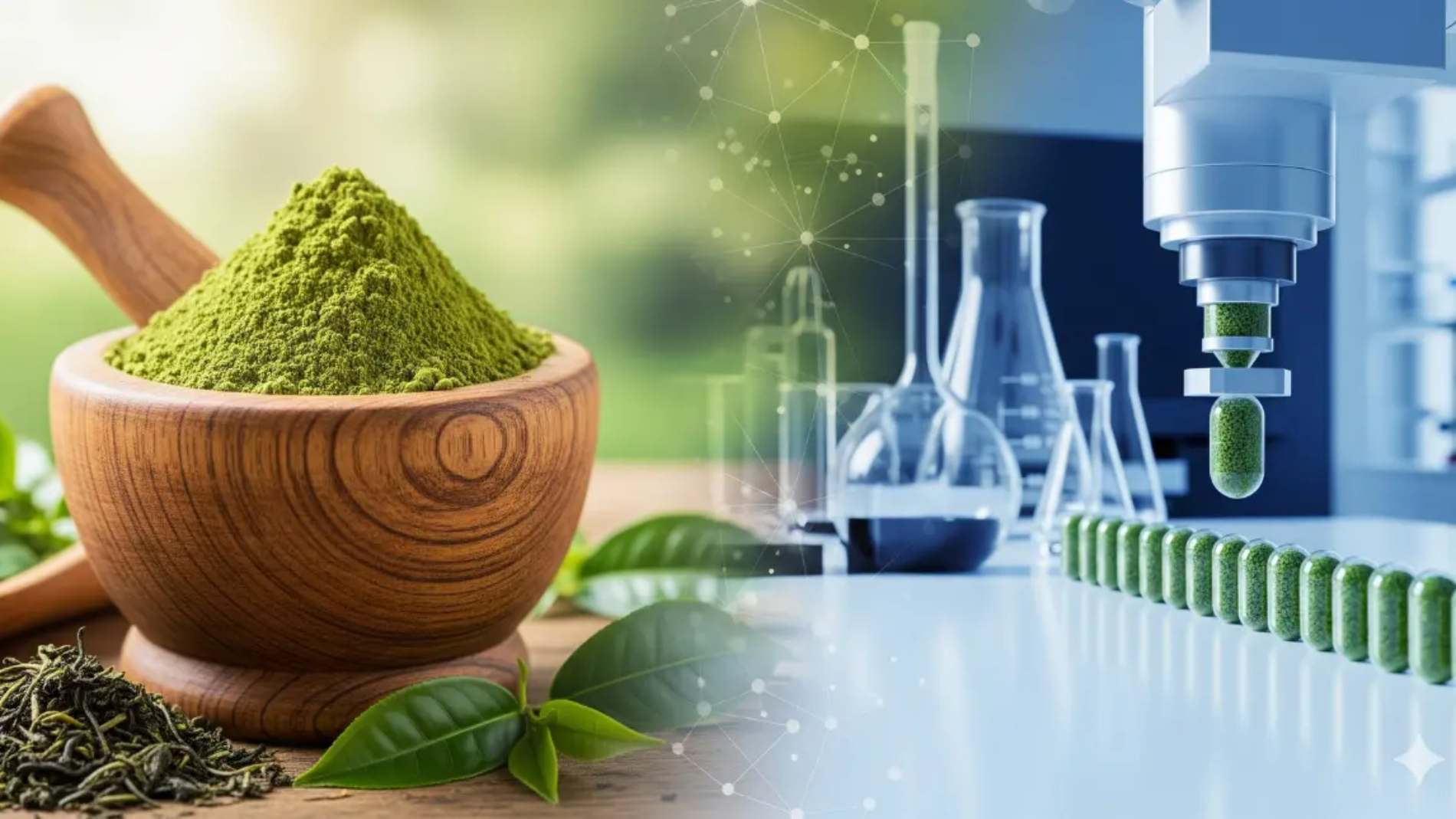
organic green tea powder

Why Nutraceutical Brands are Choosing Organic Green Tea Powder for Their Blends

The nutraceutical market is experiencing unprecedented growth, driven by a global consumer base increasingly focused on proactive health and wellness. In this dynamic industry, ingredient selection is paramount. Brands are not just looking for efficacy; they’re looking for natural origin, purity, and scientific backing. This rigorous demand has propelled one ingredient to the forefront: Organic Green Tea Powder.

Far beyond a simple beverage, this vibrant green powder is a powerhouse of beneficial compounds, offering a compelling blend of health benefits, clean-label appeal, and formulation versatility. For nutraceutical brands, incorporating organic green tea powder into their blends is no longer just an option—it’s a strategic imperative. From our perspective in Pune, a hub for both traditional and modern health ingredients, we’ve observed this shift firsthand.

1. A Potent Source of Bioactive Compounds

The primary allure of green tea lies in its rich concentration of polyphenols, particularly catechins. Among these, Epigallocatechin Gallate (EGCG) stands out as the most abundant and potent, responsible for many of green tea’s celebrated health benefits.

Nutraceutical brands leverage organic green tea powder to deliver:

  • Antioxidant Power: EGCG is a powerful antioxidant, combating oxidative stress and supporting cellular health.

  • Metabolic Support: Studies suggest green tea catechins can aid in metabolism and fat oxidation, making it popular in weight management supplements.

  • Cardiovascular Health: Regular intake is associated with improved heart health markers.

The “organic” certification ensures these precious compounds are free from pesticide residues, adding an extra layer of purity that discerning health brands and consumers demand.

2. The Cognitive Edge: L-Theanine for Focus and Calm

Beyond the physical benefits, organic green tea powder offers a unique advantage for cognitive health: L-Theanine. This amino acid, naturally present in green tea leaves, is renowned for its ability to promote a state of “alert calmness.”

Unlike the jitteriness sometimes associated with caffeine, L-Theanine works synergistically with green tea’s natural caffeine to:

  • Improve Focus: Enhancing attention and cognitive performance.

  • Reduce Stress: Promoting relaxation without drowsiness.

  • Boost Mood: Contributing to a sense of well-being.

This makes organic green tea powder an ideal ingredient for nootropic supplements, stress-relief formulas, and cognitive enhancers, catering to the growing market for mental wellness products.

Spice Up Your Business with Authentic Indian Flavors

Import and Export Excellence from India!

3. Clean Label & Natural Appeal

In the nutraceutical space, transparency is key. Consumers scrutinize ingredient lists, favoring natural, recognizable components over synthetic additives. Organic Green Tea Powder fits this paradigm perfectly.

As a single-ingredient, plant-derived product, it aligns seamlessly with clean label trends. The USDA organic or EU organic certified status provides undeniable proof of its purity and sustainable sourcing. This allows brands to build trust, communicate natural efficacy, and avoid the “chemical soup” perception that can deter health-conscious buyers.

4. Versatile Formulation for Diverse Product Lines

Organic green tea powder is remarkably versatile, allowing nutraceutical brands to incorporate it into a wide array of product formats:

  • Capsules & Tablets: As a concentrated extract for daily supplementation.

  • Protein Powders & Meal Replacements: Adding functional benefits and a subtle, earthy flavour.

  • Functional Beverages: In powder mixes or ready-to-drink formulations for energy, focus, or antioxidant support.

  • Nutritional Bars & Snacks: Enhancing the health profile of convenient food items.

Its fine texture and good dispersibility (especially high-qualityculinary grade green tea powder make it easy to blend into various matrices, ensuring consistent dosing and consumer experience.

5. Sustainable Sourcing & Ethical Consumerism

The “organic” label extends beyond just product purity; it signifies a commitment to sustainable agricultural practices. Nutraceutical brands are increasingly aware that consumers care not just about what’s in a product, but also how it’s made.

Sourcing organic green tea powder from India allows brands to align with ethical and environmentally responsible practices, tapping into a supply chain that often supports local communities and promotes biodiversity. This narrative of sustainability and ethical sourcing adds significant brand value in a market driven by conscientious consumers.

In conclusion, organic green tea powder is more than just an ingredient; it’s a strategic asset for nutraceutical brands. Its potent bioactive compounds, cognitive benefits, clean-label appeal, formulation versatility, and sustainable sourcing profile make it an indispensable choice for creating innovative and highly desirable wellness products.

Frequently Asked Questions (FAQs)

1. What is the typical EGCG content in organic green tea powder?

The EGCG content can vary depending on the tea variety, harvest time, and processing. High-quality organic green tea powder typically ranges from 15-25% EGCG, which should be specified on the Certificate of Analysis (COA).

2. Is there a difference between organic green tea powder and matcha?

Yes, while both are powdered green teas, matcha is typically from shade-grown leaves, processed differently, and traditionally used ceremonially. Organic green tea powder (often culinary grade) is more broadly used as a versatile ingredient in food and nutraceuticals due to its cost-effectiveness and functional properties.

3. Can I use organic green tea powder in products for children?

Due to its natural caffeine content, it’s generally recommended to consult with a pediatrician before adding significant amounts of organic green tea powder to products intended for children. Low doses might be acceptable, but it depends on the child’s age and sensitivity.

4. How does L-Theanine in green tea powder benefit mental clarity?

L-Theanine crosses the blood-brain barrier and can increase alpha brain wave activity, which is associated with a relaxed but alert state. It also influences neurotransmitters like dopamine and serotonin, contributing to improved focus and mood.

5. What certifications should I look for when sourcing bulk organic green tea powder?

Key certifications include USDA Organic (for the U.S. market), EU Organic (for the European market), and India Organic (for products originating from India). These ensure compliance with strict organic standards.

6. Does the origin (e.g., Assam, Nilgiri) affect the properties of organic green tea powder?

Yes, just like wine, tea’s characteristics are influenced by its terroir. While all green tea powders share core benefits, those from specific regions like Nilgiri (known for its fragrant teas) or Assam might offer slightly different flavour notes or subtle variations in compound profiles.

7. How much caffeine is in organic green tea powder?

The caffeine content varies but is generally lower than coffee. A typical serving (e.g., 1-2 grams) might contain 20-50mg of caffeine, which should be factored into your product’s total caffeine count.

8. What’s the best way to preserve the potency of organic green tea powder?

Store it in an airtight container in a cool, dark, and dry place. Light, heat, and moisture can degrade its delicate compounds, especially EGCG. Some manufacturers also use nitrogen-flushed packaging for extended freshness.

Darjeeling Black Tea

Is Darjeeling Black Tea the Healthiest Tea? Exploring the Benefits

Often hailed as the “Champagne of Teas,” Darjeeling black tea is celebrated worldwide for its exquisite aroma and unique muscatel flavour. Grown exclusively in the rolling hills of West Bengal, India, this prized beverage holds a Geographical Indication (GI) status, a testament to its singular origin and quality. But beyond its luxurious reputation, a compelling question arises for connoisseurs and health-conscious consumers alike: Is Darjeeling black tea the healthiest tea?

While “healthiest” can be subjective, a deep dive into the scientific profile of this remarkable Indian black tea reveals a treasure trove of benefits that make it a powerful contender for the title. Let’s explore the evidence-backed advantages that make every cup a step towards better well-being.

The Antioxidant Powerhouse of the Himalayas

The primary source of the health benefits of Darjeeling tea lies in its rich concentration of antioxidants. These potent compounds, including theaflavins, thearubigins, and various other polyphenols, are crucial for combating oxidative stress in the body. Oxidative stress is linked to chronic diseases and premature aging, and a diet rich in antioxidants is our best natural defence. Regular consumption of Darjeeling black tea helps neutralize harmful free radicals, protecting cells from damage and supporting overall vitality.

1. Promoting a Healthy Heart

One of the most significant advantages of Darjeeling black tea is its positive impact on cardiovascular health. The flavonoids, a type of antioxidant present in the tea, are known to support heart function. Studies suggest that regular black tea consumption can help:

  • Lower LDL (“bad”) cholesterol: Preventing the buildup of plaque in arteries.

  • Improve blood vessel function: Promoting healthy circulation.

  • Reduce blood pressure: Contributing to a lower risk of hypertension.

By incorporating this brew into your routine, you are taking a delicious and proactive step toward maintaining a healthy heart.

2. Enhancing Gut Health and Digestion

A healthy gut is the foundation of overall wellness, and Darjeeling tea can play a supportive role. The polyphenols in the tea act as prebiotics, feeding the beneficial bacteria in your gut. This fosters a balanced gut microbiome, which is essential for proper digestion, nutrient absorption, and even a strong immune system. A soothing cup can also help alleviate digestive discomfort, making it a perfect post-meal beverage.

Spice Up Your Business with Authentic Indian Flavors

Import and Export Excellence from India!

3. Boosting Mental Focus and Alertness

Need a mental pick-me-up without the jitters associated with coffee? Darjeeling black tea offers a balanced solution. It contains a moderate amount of caffeine that enhances alertness and concentration. More importantly, it is also rich in an amino acid called L-theanine. This unique compound is known to promote relaxation and calmness while improving cognitive function. The synergy between caffeine and L-theanine results in a state of calm, sustained focus—ideal for a productive day.

4. Supporting Weight Management Goals

For those on a wellness journey, Darjeeling tea for weight loss can be a valuable ally. While not a magic bullet, its properties can support your efforts. The tea is virtually calorie-free and can help boost your metabolism, encouraging your body to burn fat more efficiently. Its flavonoids have also been linked to preventing obesity-related inflammation. Replacing sugary drinks with unsweetened Darjeeling black tea is a simple yet effective strategy for managing weight.

How Does It Compare to Other Teas?

When discussing the healthiest tea, green tea often enters the conversation due to its high EGCG content. While green tea is undeniably healthy, Darjeeling black tea holds its own with a unique chemical composition. The oxidation process that creates black tea develops a different set of powerful antioxidants, namely theaflavins and thearubigins, which offer distinct benefits, particularly for heart and gut health.

Ultimately, the best choice depends on your health goals and palate. However, the diverse and potent benefits of Darjeeling tea make it an equally worthy component of a healthy lifestyle.

Sourcing Quality for Maximum Health Benefits

The incredible health benefits of Darjeeling tea are directly linked to its quality and authenticity. The terroir, the flush (first, second, or autumnal), and the processing methods all impact its final chemical profile. To ensure you are receiving the full spectrum of advantages, it is crucial to source your tea from a reputable and knowledgeable premium black tea supplier who can guarantee its origin and freshness.

So, is Darjeeling black tea the healthiest? With its robust profile of antioxidants that support the heart, gut, and mind, it is undoubtedly one of the most beneficial beverages you can enjoy. It offers a unique, complex flavour combined with a powerful wellness punch that few other drinks can match.

Spice Up Your Business with Authentic Indian Flavors

Import and Export Excellence from India!

Frequently Asked Questions (FAQs)

1. Is it OK to drink Darjeeling tea every day?

Yes, it is generally safe and beneficial for most people to drink 1-3 cups of Darjeeling black tea daily. Its moderate caffeine content and rich antioxidant profile can contribute positively to your health routine.

2. Does Darjeeling black tea actually help with weight loss?

Darjeeling tea can support weight loss efforts by boosting metabolism and helping the body burn fat. When consumed without sugar and as part of a balanced diet and active lifestyle, it can be a valuable tool for weight management.

3. What is the best time to drink Darjeeling tea?

The best time to drink Darjeeling tea is in the morning or early afternoon. Its caffeine content provides a gentle energy boost and enhances mental focus, making it perfect for starting your day or overcoming a midday slump. It’s best to avoid it late at night if you are sensitive to caffeine.

4. Is Darjeeling tea better than green tea for your health?

Neither is definitively “better”; they simply offer different benefits. Green tea is high in EGCG, while Darjeeling black tea is rich in theaflavins. Both are excellent for health, with black tea having a slight edge in certain gut and heart health benefits.

5. How much caffeine is in a cup of Darjeeling black tea?

A typical cup (8 oz) of Darjeeling tea contains about 40-70 milligrams of caffeine. This is less than a standard cup of coffee (which has 95mg or more) but enough to provide a noticeable boost in alertness.

6. Are there any side effects of drinking Darjeeling tea?

For most people, Darjeeling tea is very safe. However, excessive consumption may lead to side effects related to caffeine, such as restlessness, insomnia, or an upset stomach. It’s always best to consume in moderation.

7. What gives Darjeeling tea its unique “muscatel” flavour?

The unique muscatel flavour, often described as reminiscent of muscat grapes, is a result of the specific terroir of the Darjeeling district, the unique Camellia sinensis var. sinensis plant, and attacks by a local insect called the tea jassid, which triggers a defensive chemical reaction in the leaves.

8. How can I be sure I’m buying authentic Darjeeling black tea?

To ensure authenticity, look for the Darjeeling logo and GI certification. More importantly, source your tea from a trusted, transparent supplier who can provide details about the tea’s estate, flush, and grade.

indian cumin seed

Jeera’s Journey: How India Became the World’s Cumin Capital

From the warm, earthy notes in a Mexican taco seasoning to the aromatic base of a Middle Eastern tagine and the essential flavour of an Indian curry, one spice is a truly global citizen: cumin. Known as Jeera in India, its distinctive taste is a cornerstone of cuisines across continents. But have you ever wondered where this indispensable spice predominantly comes from?

While its use is global, its origin story is heavily concentrated in one nation. For centuries, India has cultivated, consumed, and traded this precious commodity, growing to a scale that is simply unmatched. This is the story of the Indian cumin seed—a journey of perfect climate, ancient tradition, and modern trade that has rightfully crowned India as the world’s undisputed Cumin Capital.

Ancient Roots: Cumin's Historical Significance in India

Cumin’s relationship with India is not a recent development; it is a bond forged over millennia. The spice has been a staple in Ayurvedic medicine for centuries, prized for its digestive properties. Ancient texts and archaeological findings show that jeera has been an integral part of the Indian kitchen for thousands of years, long before it became a global commodity. This deep cultural embedding means that for India, cumin is not just a crop—it’s a part of its culinary heritage.

The Perfect Terroir: Why Cumin Thrives in India

At the heart of India’s dominance is a simple fact: the country offers the perfect environment for cumin to flourish. Cumin(Cuminum cyminum) is a drought-tolerant winter crop that requires a cool, dry climate and sandy, loamy soil to develop its characteristic aromatic profile.

This exact set of conditions is found in the arid and semi-arid regions of Western India. Two states, in particular, form the core of cumin production:

  • Gujarat: The undisputed leader, producing the highest quantity and housing the world’s most important trading hub.

  • Rajasthan: The neighbouring state, also a massive producer with a climate perfectly suited for the crop.

These two states alone account for the vast majority of all cumin from India, creating a concentrated hub of cultivation and expertise.

Spice Up Your Business with Authentic Indian Flavors

Import and Export Excellence from India!

The Unjha Phenomenon: The World's Cumin Epicenter

No story about the Indian cumin seed is complete without mentioning Unjha. This bustling town in Gujarat is home to the largest regulated spice market in Asia and is the global epicentre for cumin trading. The Unjha market is where farmers from across the region bring their harvest, and it is here that the global price of cumin is effectively set.

The existence of a centralized hub like Unjha provides immense stability and transparency to the market. It allows for the standardization of quality grades (like Europe Grade or Singapore Grade) and creates a single, reliable access point for the world’s major traders and cumin exporters. When you hear about Unjha cumin, you are hearing about the benchmark for global quality.

From Traditional Farming to Modern Agribusiness

India’s success is a story of balance. It combines the generational knowledge of farmers who have cultivated cumin for centuries with modern agricultural practices and processing technologies. While traditional methods form the backbone of cultivation, the post-harvest process is now highly advanced.

Modern, machine-cleaned, and Sortex-cleaned cumin ensures that the final product meets the stringent purity and food safety standards required by international markets. This fusion of tradition and technology allows Indian cumin seed to retain its authentic, potent flavour while satisfying the quality demands of the most discerning global buyers.

The Numbers Don't Lie: India's Dominance in the Spice Trade

The statistics behind India’s role in the cumin market are staggering. India accounts for over 70% of the world’s total cumin production. It is not only the largest producer but also the largest consumer and the largest exporter of the spice.

For an importer, this scale is incredibly significant. It guarantees a level of supply chain stability that no other region can offer. When sourcing cumin from India, businesses are tapping into a mature, high-volume, and deeply established market that can reliably meet global demand.

From its ancient roots and perfect growing conditions to the bustling trade floors of Unjha and modern quality assurance, India’s journey to becoming the world’s Cumin Capital is a testament to its deep connection with this remarkable spice.

Spice Up Your Business with Authentic Indian Flavors

Import and Export Excellence from India!

Frequently Asked Questions (FAQs)

1. What exactly is “Jeera”?

“Jeera” is the Hindi name for cumin. In India and for many international buyers, the terms are used interchangeably to refer to the same aromatic spice.

2. Which state in India produces the most cumin?

Gujarat is the largest cumin-producing state in India, followed closely by Rajasthan. These two states dominate the country’s total output.

3. Why is Unjha, Gujarat so famous for cumin?

Unjha is home to the world’s largest cumin seed trading market. It acts as a central hub where global prices are set and where the majority of India’s cumin is graded, processed, and sold for export.

4. What is the main difference between Indian cumin and cumin from other countries (like Syria or Turkey)? Indian cumin seed

is typically prized for its strong, warm, and distinctly aromatic flavour, a result of its high volatile oil content. It also benefits from a highly organized market and supply chain, making it consistently available in large quantities.

5. When is the main cumin harvest season in India?

Cumin is a winter crop in India. It is typically sown between October and December, and the main harvest season occurs between February and March each year.

6. What does “Sortex Cleaned” cumin mean?

Sortex cleaning is an advanced process that uses optical sorting machines to remove impurities, discoloured seeds, and foreign matter based on their colour. It results in a very high-purity product, often required for export markets.

7. Is all cumin from India the same?

No. There are different grades based on purity (e.g., 99% or 99.5% purity) and cleaning method (machine cleaned vs. Sortex cleaned). The quality and aroma can also vary slightly based on the specific growing region and farming practices.

8. How significant is India’s role in the global spice trade?

India’s role is massive. It is the world’s largest producer, consumer, and exporter of a wide variety of spices, including cumin, turmeric, and chilli powder, making it a critical hub for the international spice industry.

red chilli powder

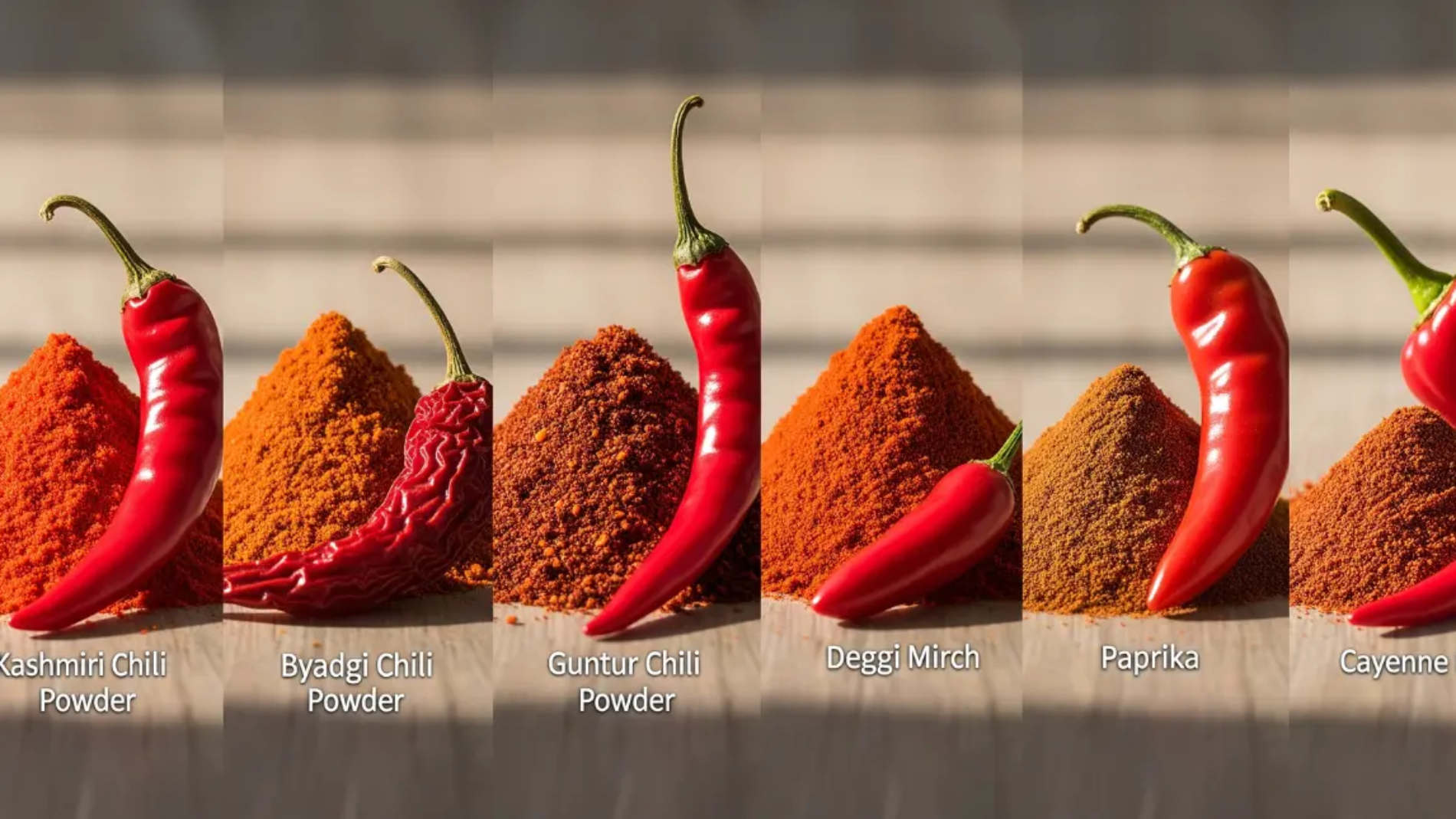
Exploring the Different Types of Red Chilli Powder

When a recipe calls for chilli powder, it’s easy to assume that any red powder from the spice aisle will do. However, in the world of spices, and especially in India—the global heartland of chillies—that couldn’t be further from the truth. The term “red chilli powder” encompasses a dazzling spectrum of flavours, colours, and, most famously, heat levels.

Each variety of Indian chilli powder has a unique identity, cultivated for a specific purpose. Some are grown for their scorching pungency, while others are prized for their brilliant red colour and mild taste. Understanding these differences is the key to mastering flavour and creating dishes and products with precision. This guide will explore five of the most prominent types of lal mirch powder that every chef, food manufacturer, and spice enthusiast should know.

Byadgi Chilli Powder: The Colour King

Hailing from the state of Karnataka, Byadgi (or Bydagi) is one of the most sought-after chillies in India, renowned for its stunning colour rather than its heat.

  • Heat Level (SHU): Very Mild (15,000 – 25,000 SHU)

  • Colour Value (ASTA): Extremely High (150 – 200 ASTA)

  • Flavour Profile: Subtly smoky and sweet.

  • Best For: Byadgi is the secret ingredient for achieving a deep, natural red colour in dishes without adding overwhelming heat. It’s a favourite for use in pickles, spice blends (masalas), and snack seasonings where appearance is paramount. Food manufacturers love it as a natural colouring agent.

Guntur Sannam Chilli Powder: The Versatile Workhorse

From the Guntur district of Andhra Pradesh, a region famous for its chilli cultivation, comes the Guntur Sannam. This is one of the most widely used and exported chillies from India.

  • Heat Level (SHU): Medium-Hot (35,000 – 45,000 SHU)

  • Colour Value (ASTA): Medium (50 – 80 ASTA)

  • Flavour Profile: A sharp, pungent flavour.

  • Best For: Its balanced profile of heat and colour makes Guntur Sannam incredibly versatile. It’s the go-to chilli powder for traditional South Indian cuisine, perfect for adding a robust kick to curries, sauces, and savoury dishes. It provides a solid, reliable heat that is noticeable but not overpowering.

Spice Up Your Business with Authentic Indian Flavors

Import and Export Excellence from India!

Teja Chilli Powder: The Fiery Powerhouse

Also a star of the Guntur region, the Teja chilli is for those who crave serious heat. It is one of India’s hottest chillies and is a major export commodity, prized for its extreme pungency.

  • Heat Level (SHU): Very Hot (70,000 – 100,000 SHU)

  • Colour Value (ASTA): Medium (50 – 70 ASTA)

  • Flavour Profile: Intensely sharp and fiery.

  • Best For: Teja is the top choice for making hot sauces, spicy condiments, and international cuisines that demand a powerful, scorching heat. Food manufacturers use its extract (oleoresin) for precise heat control in products like spicy snacks and ready-to-eat meals.

Kashmiri Chilli Powder: The Mild & Vibrant Garnish

As the name suggests, this chilli comes from the Kashmir region. It is perhaps the most famous Indian chilli internationally, celebrated almost exclusively for its colour.

  • Heat Level (SHU): Extremely Mild (1,000 – 2,000 SHU)

  • Colour Value (ASTA): High (100 – 140 ASTA)

  • Flavour Profile: A very mild, slightly fruity and smoky taste.

  • Best For: Kashmiri chilli powder is used when you want the brilliant red hue of chillies with almost no heat. It is the signature ingredient for colouring dishes like Tandoori chicken, Rogan Josh, and various curries, giving them an inviting and vibrant appearance without scaring away those with a milder palate.

Mundu Chilli Powder: The Aromatic & Unique

Grown primarily in Tamil Nadu, the Mundu chilli is small, round, and less common than the others, but it holds a special place in South Indian kitchens.

  • Heat Level (SHU): Mild (10,000 – 30,000 SHU)

  • Colour Value (ASTA): Low-Medium (30 – 50 ASTA)

  • Flavour Profile: A unique, highly aromatic, and slightly tangy flavour.

  • Best For: The Mundu chilli is prized for its distinct aroma. It is often used whole in tempering (tadka) for dishes like sambar and chutneys. The powder is used in spice blends where a unique, tangy flavour note is desired over pure heat or deep colour.

Spice Up Your Business with Authentic Indian Flavors

Import and Export Excellence from India!

Choosing the Right Chilli Powder

The journey through the world of Indian chilli powder reveals a rich tapestry of flavour, heat, and colour. The perfect choice depends entirely on your goal. Whether you need the fiery kick of Teja for a hot sauce or the brilliant, gentle blush of Kashmiri for a signature curry, understanding these varieties is the first step. The next is to partner with trusted chilli powder exporters who can deliver the pure, authentic version of each, ensuring your final product is exactly as you envision.

Frequently Asked Questions (FAQs)

1. What is the hottest Indian chilli powder?

The Teja chilli powder is one of the hottest commercially grown varieties in India, often reaching up to 100,000 Scoville Heat Units (SHU).

2. Which chilli powder is best for just colour and almost no heat?

Kashmiri chilli powder is the ideal choice. It provides a vibrant, beautiful red colour with a very mild heat level, typically below 2,000 SHU.

3. What does SHU mean?

SHU stands for Scoville Heat Units. It is the universal measurement of the pungency or “hotness” of a chilli pepper. A higher SHU number means a hotter chilli.

4. What is ASTA and why does it matter for chilli powder?

ASTA stands for the American Spice Trade Association. The ASTA Colour Value is a scientific measurement of the extractable colour in a spice. For chilli powder, a higher ASTA value means a deeper, more vibrant red colour, which is a key quality indicator for many applications.

5. Can I blend different chilli powders?

Absolutely! Many famous spice blends and restaurant dishes use a mix of chilli powders to achieve a perfect balance of heat and colour. For example, blending Guntur Sannam (for heat) with Byadgi (for colour).

6. Is Indian chilli powder the same as paprika?

While both are red powders from peppers (Capsicum annuum), they are different. Paprika is typically made from milder, sweeter peppers and is known for its colour and smoky flavour. Indian chilli powders are generally hotter and made from different cultivars.

7. How can I tell if a chilli powder is pure?

Pure chilli powder should have a vibrant, natural colour and a strong, characteristic aroma. Be wary of powders that look unnaturally bright red (potential artificial colour) or feel gritty (potential brick powder). Sourcing from a certified supplier with a lab report (COA) is the safest way to ensure purity.

8. Which chilli powder is most commonly used in everyday Indian cooking?

The Guntur Sannam chilli powder is arguably the most common all-purpose variety used in homes and restaurants across India due to its excellent balance of medium heat and good colour.

Indian onion powder

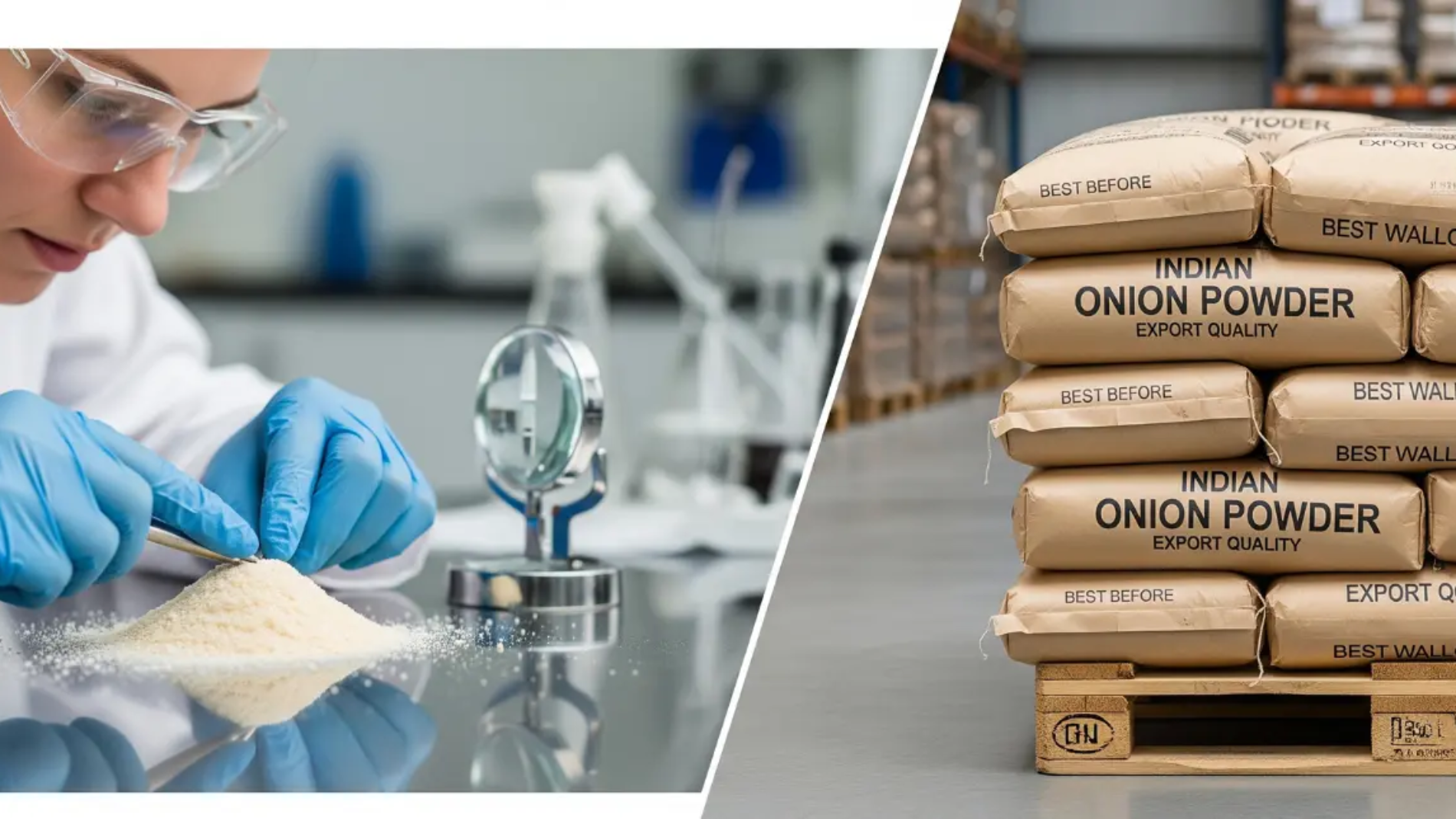
How We Guarantee the Shelf Life of Our Indian Onion Powder

For any food manufacturer, importer, or spice blender, inventory is an investment. When you procure bulk onion powder, you need more than just great flavour—you need a product that is stable, reliable, and has a long and dependable shelf life. Caking, clumping, loss of potency, and spoilage are costly problems that can disrupt production and erode profits.

A long onion powder shelf life is not a matter of chance; it is the direct result of a meticulous, end-to-end quality control process. As a leading supplier of Indian Onion Powder, we understand that our clients’ success depends on the consistency of our ingredients. That’s why we have built our process around a single goal: to deliver a product that remains fresh, free-flowing, and flavourful for its entire intended shelf life.

This article pulls back the curtain to reveal the five key pillars of our process that allow us to confidently guarantee the stability and longevity of our powder.

1. It Starts with Premium Raw Material

The journey to a long-lasting final product begins in the fertile fields of India. We don’t use just any onions. The shelf life of dehydrated onion products is significantly influenced by the quality of the raw bulbs.

We strategically source high-solid, low-moisture onion varieties, primarily from renowned growing regions like Nashik. These onions have a more concentrated flavour and naturally less water content, making them the ideal starting point for dehydration. By selecting the best raw materials, we ensure the foundation of our powder is already optimized for a stable, high-quality outcome.

2. The Critical Step: Precision Moisture Control

Moisture is the number one enemy of onion powder shelf life. Even a small excess of moisture can lead to microbial growth, and it is the primary cause of the caking and clumping that plagues lower-quality powders.

Our multi-stage dehydration process is designed with one critical objective: to remove water while preserving the onion’s natural flavour and pungency. We employ controlled, gentle heat over an extended period to bring the moisture content down to consistently below 5%. This is the international benchmark for export quality powder and is the single most important factor in preventing spoilage and ensuring the product remains free-flowing for months on end.

Spice Up Your Business with Authentic Indian Flavors

Import and Export Excellence from India!

3. Advanced Milling and Grinding Technology

Once the onion flakes are perfectly dehydrated, they are milled into powder. This stage can introduce risks if not handled correctly. Aggressive grinding generates heat, which can release volatile oils (damaging the flavour) and create moisture pockets that lead to instability.

We utilize modern, temperature-controlled grinding systems that mill the flakes into a uniform powder without generating destructive heat. This process ensures a consistent particle size (mesh), which not only provides a better texture but also contributes to the overall stability of the powder, making it less prone to clumping.

4. Rigorous, Multi-Point Quality Testing

A guarantee is only as good as the data that backs it up. We don’t just assume our process works; we verify it at every critical juncture. Our in-house quality assurance laboratory is an integral part of our production line.

  • Raw Material Check: Onions are inspected upon arrival.

  • Post-Dehydration Test: Dehydrated flakes are tested for moisture content before milling.

  • Final Product Analysis: The finished Indian Onion Powder undergoes a full panel of tests, including a final, definitive moisture content analysis.

Every single batch of our bulk onion powder is shipped with a Certificate of Analysis (COA) that explicitly states these quality parameters. This document is our clients’ documented proof that the product they receive meets the highest standards for stability and safety.

Spice Up Your Business with Authentic Indian Flavors

Import and Export Excellence from India!

5. The Final Line of Defense: Superior Export Packaging

Even the most stable powder can be compromised by inadequate packaging. Our product travels thousands of miles across oceans to reach our clients, and its packaging must withstand the journey.

We use industry-leading, multi-wall paper bags that are designed for strength and durability. Critically, each bag contains a heat-sealed, food-grade inner poly-liner. This inner liner acts as an impermeable barrier, protecting the powder from the ambient humidity and moisture it will encounter during transit and in your warehouse. This final step ensures that the perfectly dry powder we pack in our facility is the same perfectly dry powder you receive.

By meticulously controlling these five stages—from the farm to the final bag—we build quality and stability into our Indian Onion Powder. It’s how we provide our clients not just with an ingredient, but with a guarantee.

Frequently Asked Questions (FAQs)

1. What is the guaranteed Indian onion powder shelf life I can expect?

When stored in its original, unopened packaging in a cool, dry place, our Indian Onion Powder is guaranteed to maintain its quality and freshness for up to 24 months.

2. Does adding an anti-caking agent compromise the “100% pure” claim?

While we can provide powder with food-grade anti-caking agents (like Silicon Dioxide, E551) upon request, our standard A-Grade product is 100% pure dehydrated onion. Our advanced moisture control process minimizes the need for these agents.

3. How should I store the bulk indian onion powder once I open the bag?

Once a bag is opened, we recommend transferring the powder to a clean, dry, and airtight container and storing it away from direct sunlight and humidity to preserve its freshness and free-flowing nature.

4. Can a high-humidity environment affect the sealed bags?

Our multi-layer packaging with a sealed poly-liner is specifically designed to protect the contents from ambient humidity. While no packaging is completely infallible in extreme conditions, it is built to withstand the typical rigors of international shipping and storage.

5. How does moisture content directly impact the pungency and flavor?

High moisture not only leads to physical caking but can also degrade the volatile compounds responsible for the onion’s characteristic sharp flavour and aroma over time, leading to a less potent product.

6. Is your packaging suitable for long-term storage in a warehouse?

Yes, our packaging is designed for both transit and storage. The multi-wall bags are robust and stackable, and the inner liner protects the product’s integrity during typical warehouse storage cycles.

7. Does the colour of the Indian onion powder indicate its shelf life?

While a significant darkening or browning can indicate scorching during production or oxidation over time, a consistent, creamy off-white colour is a good sign of a quality product made using a controlled process.

8. What does your Certificate of Analysis (COA) include?

Our COA is a comprehensive report detailing the key quality parameters, including the exact moisture percentage, particle size (mesh), microbiological counts, and confirmation of purity for the specific batch you receive.

turmeric powder for tea

Why Solubility is Key When Sourcing Bulk Turmeric Powder for Beverages

The global market for functional beverages is booming, and turmeric is leading the charge. From soothing turmeric powder for tea and trendy “golden milk lattes” to vibrant wellness shots and ready-to-drink (RTD) juices, consumers are embracing this golden spice for its health benefits and earthy flavour. For beverage manufacturers, this trend represents a massive opportunity. However, it also comes with a significant technical challenge that can make or break a product: solubility.

Simply sourcing any food-grade bulk turmeric powder and adding it to a liquid formulation is a recipe for failure. The success of a turmeric beverage hinges on a smooth, consistent consumer experience, and that begins with sourcing a powder with superior solubility. This article explores why solubility is the most critical, yet often overlooked, specification when procuring turmeric for beverages.

The Problem: The Gritty Reality of Standard Turmeric Powder

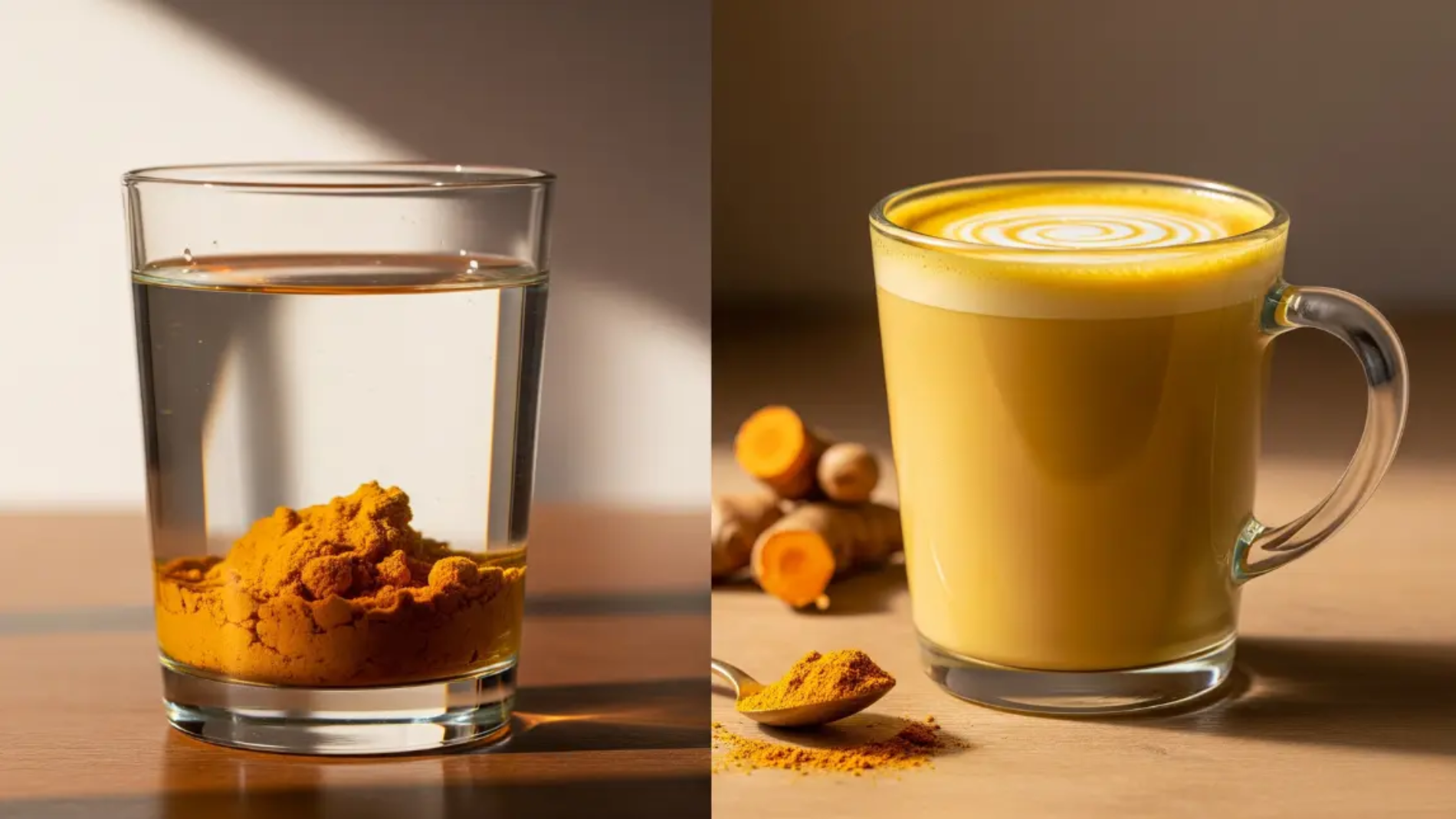
At its core, turmeric is a ground root, and its primary active compound, curcumin, is naturally hydrophobic—meaning it repels water. When standard, low-grade turmeric powder is mixed into a liquid, it doesn’t dissolve. Instead, the particles float in suspension for a short time before gravity takes over, leaving a sludgy, gritty sediment at the bottom of the cup or bottle.

This presents several critical problems for a beverage product:

  • Poor Consumer Experience: Nobody enjoys a drink with a sandy, unpleasant mouthfeel. The gritty texture is an immediate indicator of a low-quality product.

  • Inconsistent Dosing: The active compounds, including curcumin, settle with the sediment. This means the last sip of the beverage could contain a much higher concentration of turmeric than the first, leading to an inconsistent flavour and benefit profile.

  • Visual Unattractiveness: In clear packaging, a visible layer of sediment at the bottom looks unappealing and suggests the product is poorly made.

Spice Up Your Business with Authentic Indian Flavors

Import and Export Excellence from India!

Understanding Dispersion vs. True Solubility

For manufacturers, it’s important to understand that most “soluble” turmeric powder isn’t truly dissolving like sugar in water. Instead, it is expertly processed to achieve a fine, stable dispersion. This means the particles are so small and treated in such a way that they remain evenly suspended in the liquid for a very long time without settling.

Key factors that create a high-quality, water-dispersible powder include:

  • Advanced Grinding (Micronization): The turmeric is ground to an extremely fine particle size (a small micron level). This increases the surface area and helps the powder defy gravity and stay suspended.

  • Specialized Processing: Methods like cryogenic grinding (freezing the spice before grinding) can help maintain the integrity of the powder. Some suppliers also use techniques to create agglomerated powders that disperse more easily.

The Solution: Sourcing "Beverage-Grade" Turmeric

Recognizing this challenge, leading ingredient suppliers now offer specialized beverage-grade turmeric. This isn’t just regular turmeric powder; it has been specifically engineered for liquid applications.

This specialized powder is often treated using natural, clean-label methods to make it more hydrophilic (water-loving). This ensures that when it’s added to a liquid base for a turmeric latte or a bottled tea, it disperses instantly and stays in suspension, providing a smooth, homogenous, and enjoyable final product.

How to Source High-Solubility Bulk Turmeric Powder

When approaching a turmeric supplier, you need to be specific about your needs. Sourcing the right product requires asking the right questions.

  • Ask for “Beverage-Grade” or “Water-Dispersible” Turmeric: Don’t just ask for bulk turmeric powder. Clearly state your application is for a beverage and you require a high-solubility or water-dispersible product.

  • Request a Dispersion Test: The proof is in the pudding. Ask your potential supplier to provide a video demonstrating their product’s dispersibility. Better yet, request a sample and perform the test yourself: stir a gram of powder into a glass of cold water and observe how long it remains in suspension.

  • Check the Particle Size (Mesh): While a standard Certificate of Analysis (COA) won’t list “solubility,” it should specify the particle size or mesh. A finer mesh (a higher number) is generally a good indicator of better suspension.

  • Partner with a Specialized Supplier: Not all suppliers are equipped to produce value-added ingredients. Partner with a supplier, especially when sourcing from India, who has a dedicated R&D team and experience in creating ingredients for the modern beverage industry.

For any brand looking to succeed in the competitive functional beverage market, the quality of the consumer’s experience is paramount. By prioritizing solubility when sourcing turmeric powder for tea and other drinks, you ensure a premium product from the very first sip to the last.

Frequently Asked Questions (FAQs)

1. Will a water-dispersible turmeric powder affect the flavour?

No, a high-quality beverage-grade powder should have the same characteristic earthy flavour as standard turmeric. The process enhances its physical properties, not its taste profile.

2. Does making turmeric powder more soluble reduce its curcumin content?

A reputable supplier will use methods that do not degrade the curcumin content. Always verify the curcumin percentage on the product’s Certificate of Analysis (COA).

3. What is cryogenic grinding and how does it help solubility?

Cryogenic grinding is a process where spices are frozen with liquid nitrogen before being ground. This makes them brittle, resulting in a finer, more uniform powder and better preservation of volatile oils and cell structure, which can aid in dispersion.

4. Can I just use an emulsifier like lecithin in my facility?

While you can add emulsifiers during your own production, sourcing a powder that is already water-dispersible simplifies your manufacturing process, reduces the number of ingredients on your label, and often provides a better, more stable result.

5. Is beverage-grade turmeric powder more expensive?

It typically has a premium price compared to standard food-grade powder due to the advanced processing involved. However, the improved quality, consumer experience, and reduced product failure make it a more cost-effective choice in the long run.

6. Does this powder work for a dry golden milk mix?

Absolutely. In fact, it’s the ideal choice. When the end consumer adds liquid to your dry mix, a water-dispersible powder will ensure they get a smooth, creamy result, not a gritty one.

7. Will this powder dissolve in cold liquids for RTD beverages?

Yes, this is one of its primary applications. A high-quality, water-dispersible powder is designed to perform well in both hot and cold liquids, making it perfect for the RTD beverage market.

8. How do I specify the quality I need from a Turmeric Supplier?

Be clear in your request. State your application (e.g., “RTD turmeric tea”), ask for a “water-dispersible/beverage-grade” powder, and request a sample to perform your own dispersion test before committing to a bulk order.

About us

We bridge the gap between local producers and global markets, ensuring seamless trade facilitation with exceptional quality and reliability. We provide quick delivery services with customized packaging with all approval of International Certificates (Spices board India, MSME, IEC, fssai, FIEO, APEDA, EU certification, FDA and Many More)

Contact us

Shop No. 3, Ganesh Prestige Sr. No. 2/15, Near Laxmi Jewellers, Dhanakawadi, Pune – 411043, Maharashtra INDIA.

Call On

+91 9545205050

+91 9822422584

Email

sales@aquaconnectexim.com

aquaconnectexim@gmail.com